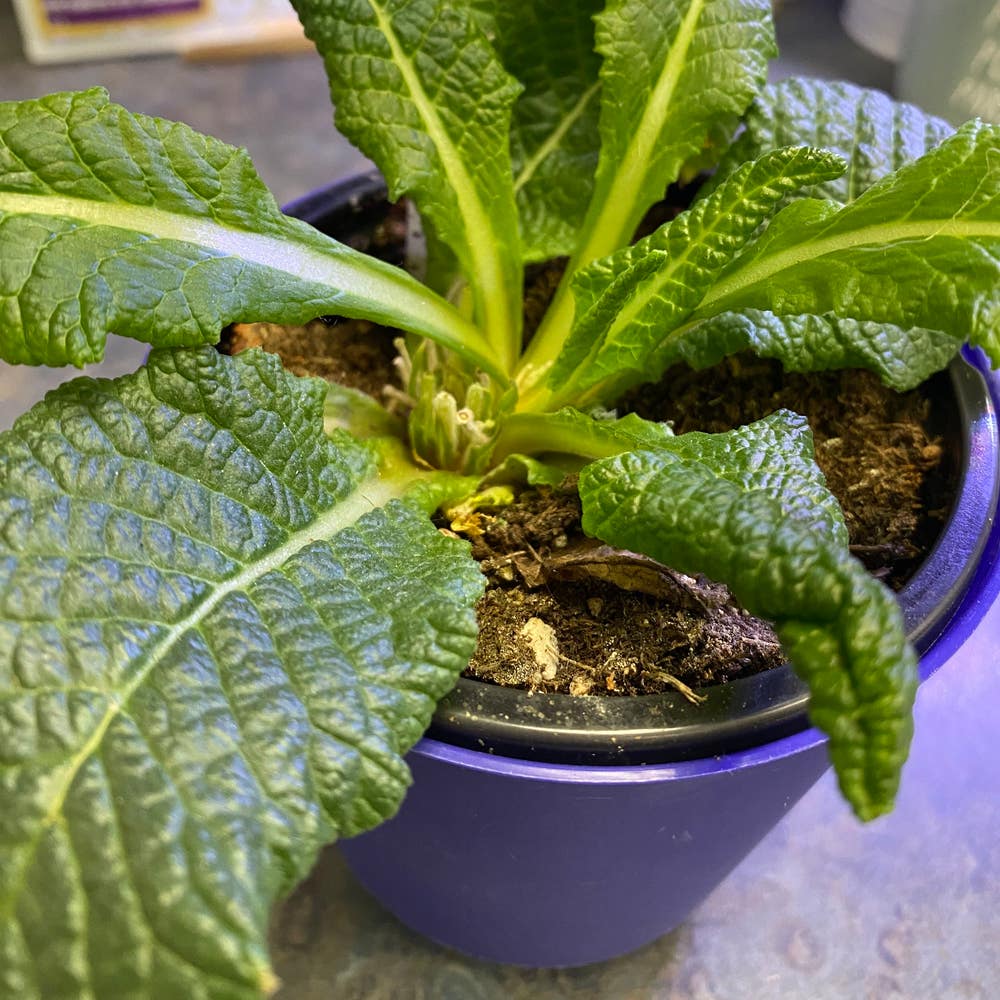
🌼 How Big a Primrose Gets
Primula spp.
By the Greg Editorial Team
Oct 18, 2024•4 min read
This article was created with the help of AI so we can cover more plants for you. May contain errors. See one? Report it here.
- 🌼 Primroses grow 6-12 inches tall and spread 12-18 inches, perfect for borders.
- 🌱 Variety matters: Primula vulgaris is smaller, while Primula japonica can exceed 18 inches.
- 🌞 Growth influenced by soil, light, and moisture; adjust conditions for optimal size.
Mature Height and Spread
Typical Dimensions 🌱
Primroses are charming little plants that typically reach a height of 6 to 12 inches. Their spread usually ranges from 12 to 18 inches, making them perfect for borders or container gardens.
Variability in Size 🌈
Not all primroses are created equal. Different varieties can significantly affect their mature dimensions, leading to a delightful diversity in your garden.
For instance, the Primula vulgaris tends to stay on the smaller side, while varieties like Primula japonica can grow larger. Understanding these differences helps you choose the right primrose for your space and aesthetic.
Whether you're looking for a compact option or something that makes a statement, there's a primrose variety that fits the bill. This variability adds a layer of excitement to gardening, allowing you to experiment with different sizes and shapes.
As you plan your garden, keep in mind the unique characteristics of each variety to ensure a stunning display.
Growth Rate and Time to Reach Full Size
🌱 Growth Rate
The growth rate of Primrose can vary significantly among different species. Some species can reach maturity in just one growing season, while others may take several years to fully develop.
⏳ Timeline to Maturity
On average, most Primrose varieties take about one to three years to reach their full size. However, several factors can influence this timeline, including environmental conditions like soil quality, light exposure, and watering practices.
Understanding these growth dynamics can help you plan your garden effectively. By choosing the right variety and providing optimal conditions, you can enjoy vibrant blooms sooner rather than later.
Next, let’s explore the size variability among different Primrose varieties.
Size Variability Among Varieties
🌱 Dwarf Varieties
Dwarf Primrose varieties, like 'Dwarf Blue', are perfect for smaller gardens or container arrangements. Typically, these plants reach a height of about 4 to 6 inches and spread around 8 to 12 inches, making them an excellent choice for borders or rock gardens.
These compact beauties often feature vibrant blooms, adding a splash of color without overwhelming your space. Their petite size doesn't compromise their charm; they still offer a delightful display that can brighten any nook.
🌳 Giant Varieties
On the other end of the spectrum, giant Primrose varieties can tower over their dwarf counterparts, often exceeding 18 inches in height. These impressive plants, such as 'Giant Primrose', are known for their lush foliage and large, eye-catching flowers.
Ideal growing conditions for these giants include rich, well-drained soil and ample sunlight. Providing them with enough space to flourish will ensure they reach their full potential, creating a stunning focal point in your garden.
Understanding the size variability among Primrose varieties can help you choose the right plants for your garden's unique needs. Next, let’s explore the factors that influence the size of these lovely blooms.
Factors Affecting Size
🌱 Soil Quality
Well-drained, moist soil is crucial for the optimal growth of Primrose. Poor soil can stunt growth, while nutrient-rich soil promotes larger, healthier plants.
☀️ Light Exposure
Sunlight plays a significant role in determining the size of your Primrose. Ideally, these plants thrive in partial shade, which can enhance their growth dimensions.
💧 Watering Practices
Watering frequency and methods directly influence size. It's essential to maintain consistent moisture without overwatering, as soggy soil can lead to root rot and hinder growth.
By understanding these factors, you can create the perfect environment for your Primrose to flourish. Next, let’s explore how to control their size through pruning and other methods.
Controlling Size
✂️ Pruning Techniques
Pruning is a simple yet effective way to manage the size of your Primrose. Regular trimming encourages bushier growth and can help maintain a compact shape.
Aim to prune in early spring before new growth begins. This timing allows the plant to recover quickly and flourish throughout the growing season.
📏 Other Methods
Spacing is crucial in garden design. Properly spacing your Primrose plants allows them to grow without competing for resources, which can help control their size.
For container-grown Primrose, pot size matters. A larger pot can lead to more vigorous growth, while a smaller pot can restrict size, making it easier to manage.
Adjusting growing conditions can also influence size. Factors like soil quality, light exposure, and watering practices all play a role in how large your Primrose will grow.
By implementing these techniques, you can enjoy beautiful Primrose plants that fit perfectly into your garden space. Next, let’s explore the various factors that affect their size even further.
⚠️ Safety First
This content is for general information and may contain errors, omissions, or outdated details. It is not medical, veterinary advice, or an endorsement of therapeutic claims.
Always consult a qualified healthcare professional before using any plant as food, medicine, or supplement.
Never eat any plant (or feed one to pets) without confirming its identity with at least two trusted sources.
If you suspect poisoning, call Poison Control (800) 222-1222, the Pet Poison Helpline (800) 213-6680, or your local emergency service immediately.
Spotted an error? Please report it here.
Unlock the full potential of your Primroses 🌱 with Greg's tailored watering reminders and expert care tips, ensuring your garden flourishes beautifully!