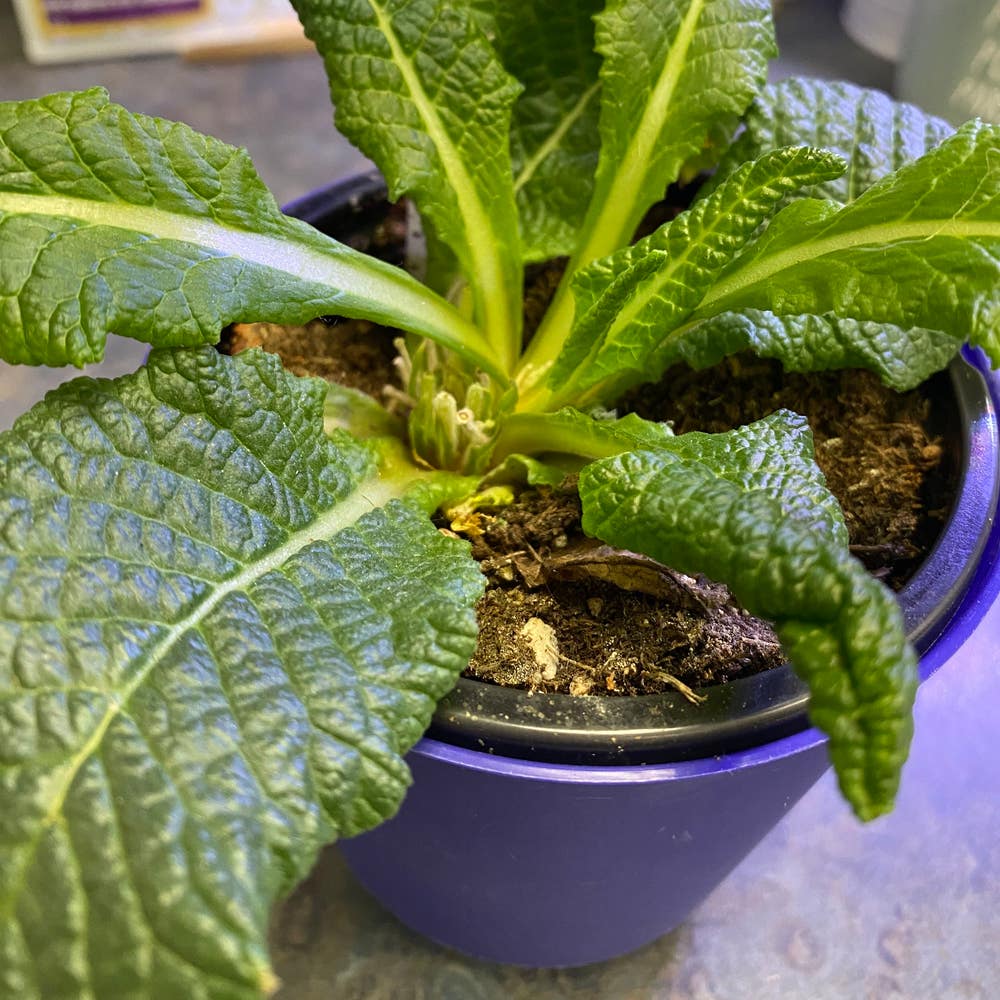
Best Time to Plant Your Primrose 🌼
Primula spp.
By the Greg Editorial Team
Aug 24, 2024•7 min read
This article was created with the help of AI so we can cover more plants for you. May contain errors. See one? Report it here.
- 🌡️ Know your frost dates to plant primrose safely and avoid damage.
- 📅 USDA Zone Map helps determine local planting schedules for primrose.
- 🌞 Primrose needs 12-14 hours of light daily for optimal growth and flowering.
Importance of Frost Dates
Understanding frost dates is crucial for successful primrose planting. These dates indicate when the risk of frost has passed, allowing you to plant your flowers without fear of damage.
🌡️ How to Determine Frost Dates
To find your local frost dates, the USDA Plant Hardiness Zone Map is an invaluable resource. This map divides the U.S. into zones based on climate, helping you identify your area's average last and first frost dates.
In general, northern regions experience later last frost dates, while southern areas have earlier ones. For example, areas in the Midwest might see frost as late as mid-June, whereas southern states could have frost-free periods starting in March.
Knowing these dates helps you plan your planting schedule effectively. By aligning your planting with the frost dates, you ensure your primroses thrive in optimal conditions.
📅 General Guidelines for Frost Dates
Here are some general guidelines for frost dates across different regions:
- Northern States: Expect last frost dates between late May and early June.
- Midwestern States: Last frost dates typically fall between late April and mid-May.
- Southern States: You can often plant as early as March, with frost dates ending by mid-April.
By keeping these guidelines in mind, you can confidently plan your primrose planting. This knowledge not only protects your plants but also enhances your gardening experience.
With a solid understanding of frost dates, you're well on your way to ensuring a successful primrose garden. Next, let’s dive into the importance of soil temperature for your plants.
Understanding Soil Temperature
Ideal Soil Temperature for Primrose 🌡️
For primrose to thrive, the soil temperature should ideally range from 50°F to 65°F (10°C to 18°C). This temperature range is crucial as it directly influences seed germination and root development.
When the soil is too cold, seeds may struggle to sprout, while excessively warm soil can hinder root growth. Keeping an eye on soil temperature is essential for ensuring your primrose plants get the best start possible.
Methods to Measure Soil Temperature 📏
To accurately measure soil temperature, a soil thermometer is your best friend. Insert it into the soil at a depth of about 2-4 inches for the most reliable reading.
Make sure to check the temperature at different times of the day, as it can fluctuate. This practice will help you determine the optimal conditions for planting your primrose, ensuring they flourish in their new environment.
With a solid understanding of soil temperature, you're well on your way to creating the perfect conditions for your primrose. Next, let’s explore how day length impacts their growth and flowering cycles.
Role of Day Length in Growth
🌞 Impact of Day Length on Primrose
Day length plays a crucial role in the flowering and growth cycles of primrose. These plants thrive when they receive 12 to 14 hours of light each day, which stimulates their vibrant blooms and robust growth.
When days are shorter, primrose may struggle to flower, leading to fewer blooms and weaker plants. Understanding this relationship helps gardeners optimize their planting schedules for the best results.
⏰ Ideal Day Length Conditions for Primrose
To ensure your primrose flourishes, aim for those ideal light conditions. If you're growing them indoors, consider using grow lights to supplement natural sunlight during shorter days.
Monitoring day length can significantly enhance your gardening success. By aligning your planting and care routines with these light requirements, you can enjoy a stunning display of primrose blooms throughout the growing season.
As you prepare for planting, remember that day length is just one piece of the puzzle. Next, we’ll explore regional planting considerations to help you choose the best months for your primrose.
Regional Planting Considerations
🌱 Ideal Planting Months in Key States
When it comes to planting Primrose, timing is everything. Here’s a quick guide to the best months for planting in various states.
Florida
In Florida, the ideal months for planting Primrose are September to November and February to March. This timing takes advantage of the milder temperatures, ensuring healthy growth.
California
For California, aim to plant from October to December and again in February to March. The state's diverse climate allows for flexibility, but these months are particularly favorable.
Texas
In Texas, the best months for planting are September to October and February to March. This schedule aligns with the cooler seasons, promoting robust plant development.
New York
New Yorkers should focus on planting between April to May and September to October. These months provide the right conditions for Primrose to thrive in the Northeast.
Colorado
In Colorado, the ideal planting window is from April to June and again in August to September. This timing helps navigate the state's unique climate challenges.
Ohio
Ohio gardeners should plant Primrose in April to May and September to October. These months offer a balance of warmth and moisture, essential for successful growth.
Understanding these regional considerations can significantly enhance your Primrose planting success. With the right timing, you’ll set the stage for vibrant blooms and healthy plants.
Next, let’s explore the benefits of seed starting versus direct sowing for your Primrose.
Seed Starting vs. Direct Sowing
🌱 Benefits of Starting Seeds Indoors
Starting seeds indoors offers several advantages. You can extend your growing season and have better control over temperature, light, and humidity.
💡 Recommended Indoor Conditions
For optimal growth, maintain a temperature between 65°F to 75°F (18°C to 24°C). Ensure your seedlings receive ample light, ideally from grow lights, for 12-16 hours a day.
⏰ Timing for Indoor Seed Starting
- Start seeds indoors 6-8 weeks before the last frost date.
- Transplant seedlings outdoors after the last frost date.
🌍 Direct Sowing Considerations
Direct sowing is best done after the last frost date when soil temperatures are optimal. This method allows plants to grow in their natural environment, minimizing transplant shock.
📅 Timing for Direct Sowing
- Direct sow seeds 1-2 weeks after the last frost date.
- Always monitor soil temperature to ensure it falls within the ideal range of 50°F to 65°F (10°C to 18°C).
Understanding the differences between seed starting and direct sowing can significantly impact your Primrose success. Each method has its unique benefits, so choose the one that best fits your gardening style and local conditions.
Comprehensive Planting Guide
Planting Calendar for All 52 States 🌱
Knowing when to plant your primrose is crucial for success. Here’s a breakdown of the best months for planting in various states, taking into account regional climates and frost dates.
| State | Best Planting Months |
|---|---|
| Florida | September to November, February to March |
| California | October to December, February to March |
| Texas | September to October, February to March |
| New York | April to May, September to October |
| Colorado | April to June, August to September |
| Ohio | April to May, September to October |
This calendar provides a solid framework, but always check local conditions for the best results.
Summary of Key Factors for Success 🌟
To ensure your primrose thrives, remember these essential factors:
- Frost Dates: Plant after the last frost date to avoid damage.
- Soil Temperature: Aim for a range of 50°F to 65°F (10°C to 18°C) for optimal growth.
- Day Length: Primrose flourishes with 12-14 hours of light.
By keeping these elements in mind, you’ll set your primrose up for a vibrant and healthy growing season. With the right timing and conditions, your garden will be a stunning display of color and life.
As you prepare to plant, consider the next steps in nurturing your primrose for a flourishing garden.
⚠️ Safety First
This content is for general information and may contain errors, omissions, or outdated details. It is not medical, veterinary advice, or an endorsement of therapeutic claims.
Always consult a qualified healthcare professional before using any plant as food, medicine, or supplement.
Never eat any plant (or feed one to pets) without confirming its identity with at least two trusted sources.
If you suspect poisoning, call Poison Control (800) 222-1222, the Pet Poison Helpline (800) 213-6680, or your local emergency service immediately.
Spotted an error? Please report it here.
Get your primrose blooming brilliantly 🌸 by using Greg's tailored planting calendar and soil temperature alerts to plant at the perfect time!