🌼 Primrose: Not an Annual
Primula spp.
By the Greg Editorial Team
Aug 24, 2024•4 min read
This article was created with the help of AI so we can cover more plants for you. May contain errors. See one? Report it here.
- 🌼 Primroses are perennials, thriving for multiple years, not just one season.
- 🌱 They bloom in early spring, adding vibrant colors to your garden after winter.
- 🌍 Climate and soil conditions significantly influence primrose growth and longevity.
Primrose as a Perennial
🌱 Genetic and Physiological Characteristics
Primrose plants possess unique genetic traits that enable them to thrive over multiple years. These adaptations are crucial for their long-term survival, allowing them to withstand various environmental challenges.
Physiologically, primroses can enter a state of dormancy during unfavorable conditions. This ability helps them conserve energy and resources until conditions improve, ensuring their survival through harsh winters or dry spells.
⏳ Long-term Lifecycle and Growth Patterns
The lifespan of a primrose typically ranges from three to five years or more. This longevity sets them apart from many annuals, which complete their lifecycle in a single season.
Primroses emerge in early spring, bringing vibrant colors to gardens after winter's chill. During winter, they enter dormancy, conserving energy until the warmth of spring prompts new growth.
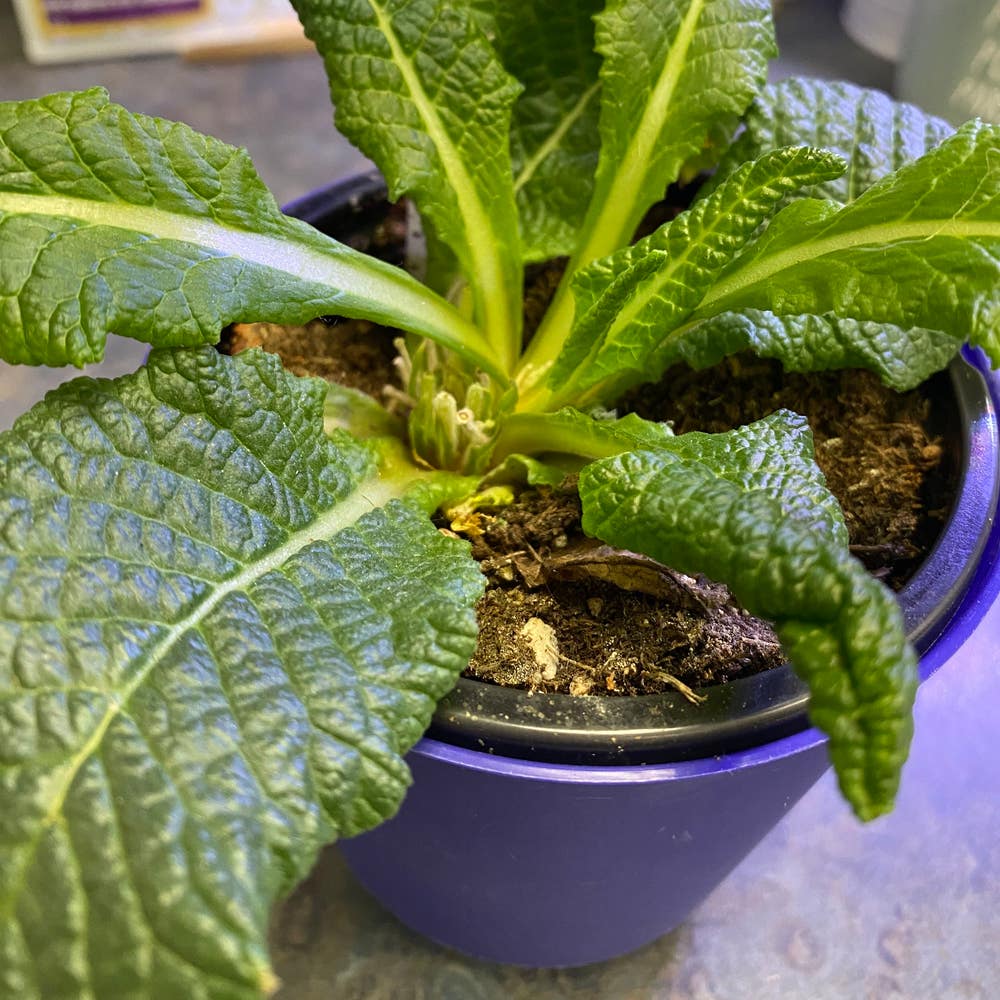
Their rosette growth pattern is particularly striking. Leaves emerge from a central point, creating a lush, green base that supports the plant's flowering.
🔄 Reproductive Strategies and Lifecycle Differences
Primroses utilize both sexual and asexual reproduction strategies. They produce seeds for sexual reproduction, ensuring genetic diversity and adaptation.
Asexual reproduction occurs through root division, allowing the plant to spread and thrive in its environment. This dual approach contrasts sharply with annuals, which typically complete their lifecycle in just one season, relying solely on seed production.
Understanding these reproductive strategies highlights the resilience and adaptability of primroses as perennials, making them a valuable addition to any garden.
As we explore the variations and exceptions of primrose growth, we’ll uncover the conditions that may lead to misconceptions about their lifecycle.
Variations and Exceptions
🌡️ Conditions Where Primrose May Be Mistaken for an Annual
Primrose can sometimes be misidentified as an annual due to extreme climate conditions. Harsh winters or scorching summers can significantly affect their survival, leading to the misconception that they only thrive for a single season.
Poor soil conditions also play a crucial role. Limited nutrient availability can shorten their lifespan, making them appear more like annuals than the resilient perennials they truly are.
🌍 Regional Differences Affecting Classification
Climate variations across regions can dramatically impact how Primrose grows. In warmer areas, they may flourish, while in colder climates, their growth can be stunted, leading to confusion about their perennial nature.
Local gardening practices further complicate this classification. Misconceptions often arise from how gardeners care for Primrose, which can vary widely based on regional knowledge and experience.
Understanding these variations helps clarify why some may view Primrose as an annual, despite its true perennial characteristics.
As we explore the garden design implications of Primrose, consider how these factors can influence your planting choices and strategies.
Garden Design Implications
Advantages of Using Primrose in Perennial Planting 🌼
Primrose offers a fantastic long-term investment for gardeners. With fewer replanting needs, these perennials can thrive for years, providing consistent beauty.
Their early spring blooms bring vibrant color to your garden, enhancing aesthetics when many other plants are still waking up. This seasonal interest can create a stunning visual impact, making your garden a focal point.
Tips for Incorporating Primrose into Garden Design 🌿
Companion planting is a great strategy when incorporating Primrose. Pairing them with other perennials can create a cohesive look, allowing different textures and colors to complement each other beautifully.
When selecting Primrose varieties, consider choosing different species for diverse flowering times. This approach ensures your garden remains lively and colorful throughout the growing season, keeping the interest alive.
By thoughtfully integrating Primrose into your garden design, you can enjoy a flourishing landscape that delights the senses. Next, let’s explore how to maximize the longevity of these beautiful plants.
Maximizing Longevity
Best Practices for Managing Primrose as a Perennial 🌱
To ensure your Primrose thrives as a perennial, start with proper soil preparation. Aim for well-draining, nutrient-rich soil to support healthy root development.
Watering techniques are equally important. Maintain consistent moisture without waterlogging, as excess water can lead to root rot.
Tips for Enhancing Primrose's Growth and Flowering 🌼
A balanced fertilization schedule can significantly boost your Primrose's growth. Apply nutrients during the growing season to promote vibrant blooms.
Pruning methods also play a crucial role. Regularly trim back your Primrose to encourage bushier growth and an abundance of flowers, enhancing its overall appearance.
By following these practices, you can maximize the longevity and beauty of your Primrose, ensuring it remains a stunning feature in your garden for years to come. Next, let's explore how to incorporate Primrose effectively into your garden design.
⚠️ Safety First
This content is for general information and may contain errors, omissions, or outdated details. It is not medical, veterinary advice, or an endorsement of therapeutic claims.
Always consult a qualified healthcare professional before using any plant as food, medicine, or supplement.
Never eat any plant (or feed one to pets) without confirming its identity with at least two trusted sources.
If you suspect poisoning, call Poison Control (800) 222-1222, the Pet Poison Helpline (800) 213-6680, or your local emergency service immediately.
Spotted an error? Please report it here.
Unlock the perennial beauty of primroses 🌸 with Greg's tailored watering and soil tips, ensuring your garden bursts with vibrant blooms year after year!