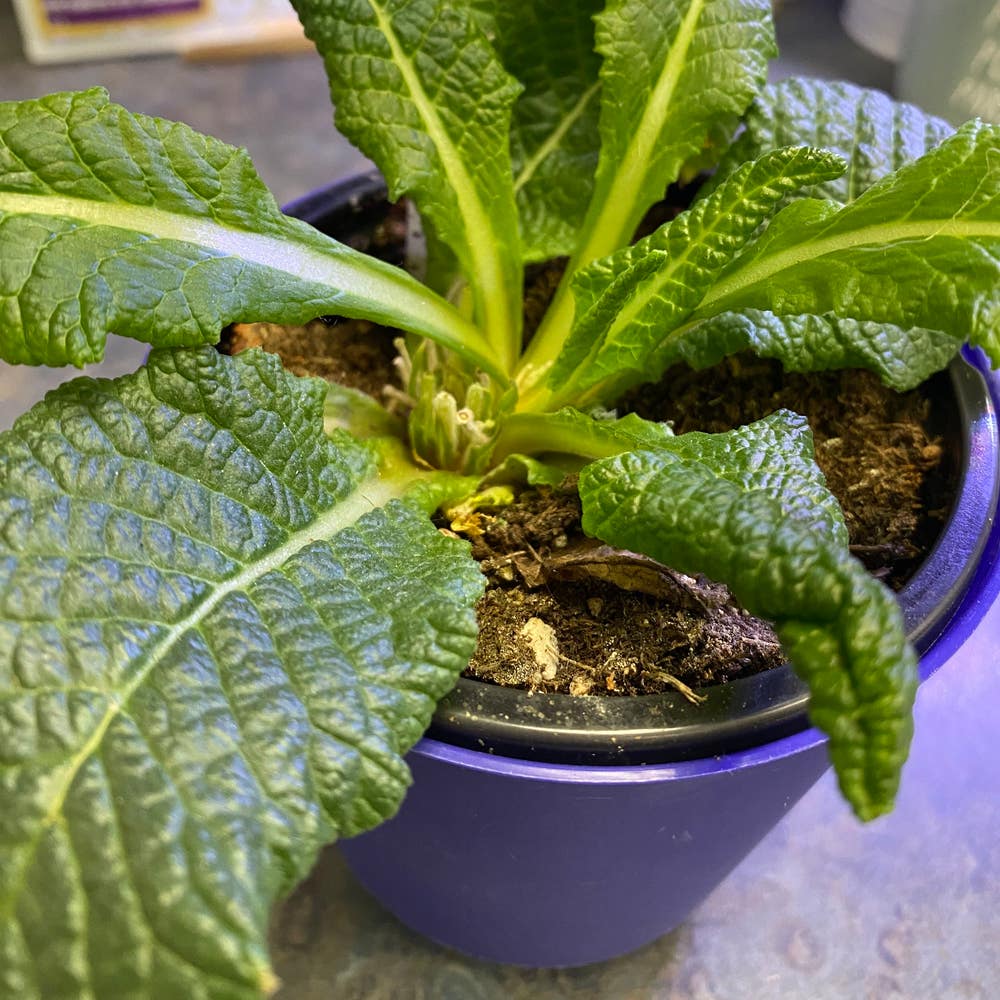
💧 Watering Frequency for Primrose: Best Practices
Primula spp.
By the Greg Editorial Team
Aug 24, 2024•5 min read
This article was created with the help of AI so we can cover more plants for you. May contain errors. See one? Report it here.
- 💧 Water Primrose every 5-7 days during the growing season for optimal health.
- 🌡️ Adjust watering based on temperature and humidity to prevent over or under-watering.
- 🌱 Use moisture meters or touch tests to accurately check soil moisture levels.
Ideal Watering Frequency
🌧️ Recommended Watering Frequency
Water your Primrose every 5-7 days during the growing season for optimal health. Adjust this frequency based on environmental conditions; increase watering during hot, dry spells and decrease it when the weather is cooler and more humid.
⚖️ Factors Affecting Watering Frequency
💡 Light Conditions
Bright, indirect light can lead to a need for more frequent watering. In contrast, low light conditions allow the soil to retain moisture longer, reducing how often you need to water.
🌡️ Temperature
Warmer temperatures cause the soil to dry out more quickly, meaning you'll need to water more often. Conversely, cooler temperatures slow evaporation, allowing for less frequent watering.
🌬️ Humidity Levels
High humidity slows down soil drying, so you may find yourself watering less often. On the other hand, low humidity increases evaporation rates, necessitating more frequent checks and watering to keep your Primrose happy.
Understanding these factors will help you tailor your watering routine effectively, ensuring your Primrose thrives in its environment. Next, let’s explore how to recognize signs of over-watering and under-watering.
Recognizing Over-Watering and Under-Watering
🚫 Signs of Over-Watering
Over-watering can be a sneaky issue for Primrose plants. Look out for yellowing leaves, which signal root stress from too much moisture.
If your Primrose is wilting despite wet soil, it’s a sign that the roots might be suffocating. Additionally, mold or mildew on the soil surface indicates stagnant water, which is a clear red flag.
💧 Signs of Under-Watering
On the flip side, under-watering also presents its own set of symptoms. Drooping leaves are a telltale sign of dehydration, signaling that your plant is thirsty.
Dry, crumbly soil that pulls away from the edges of the pot is another indicator. If you notice flower drop, it could be due to insufficient moisture, leading to premature loss of blooms.
Recognizing these signs early can help you adjust your watering routine, ensuring your Primrose stays vibrant and healthy. Next, let’s explore effective watering techniques to keep your plants thriving.
Watering Techniques
🌊 Bottom-Watering Method
Watering from the bottom is a fantastic technique for Primrose plants. This method allows the plant to absorb moisture directly through its drainage holes, promoting healthy root growth.
To bottom-water your Primrose, follow these simple steps:
- Fill a shallow tray with water.
- Place the Primrose pot in the tray, ensuring the drainage holes are submerged.
- Allow the plant to soak for 30 minutes, then remove any excess water.
This approach not only ensures even moisture distribution but also helps prevent over-watering.
💧 Self-Watering Pots: Benefits and Usage
Self-watering pots are a game-changer for busy gardeners. They maintain consistent moisture levels, significantly reducing the risk of over or under-watering.
Here are some benefits and usage tips for self-watering pots:
- Consistent moisture levels: This feature helps keep your Primrose happy and thriving.
- Less frequent watering: Perfect for those with a packed schedule.
To use a self-watering pot effectively, fill the reservoir with water and keep an eye on the moisture indicator. Additionally, ensure that the potting mix is suitable for self-watering systems to maximize effectiveness.
With these watering techniques, your Primrose will flourish, making your gardening experience even more rewarding. Next, let’s explore how to measure soil moisture to ensure your plants are getting just the right amount of water.
Measuring Soil Moisture
🌱 How to Check Soil Moisture Levels
Checking soil moisture is essential for keeping your Primrose healthy. Start with a visual inspection: look for dry, cracked soil or soil pulling away from the pot edges.
Next, perform the touch test. Simply insert a finger about an inch into the soil; if it feels dry, it's time to water.
🛠️ Tools for Measuring Soil Moisture
Using tools can make measuring soil moisture easier and more accurate.
Moisture Meter
A moisture meter is a handy device that provides a numerical reading of soil moisture levels. To use it, insert the probe into the soil and read the moisture level; aim for a level of 4-5 for your Primrose.
Finger Test
The finger test is a straightforward method. Insert your finger into the soil up to the second knuckle; if the soil feels dry at that depth, it’s time to water.
Understanding how to measure soil moisture will help you maintain the right balance for your Primrose. This knowledge sets the stage for effective watering techniques, ensuring your plant thrives.
Watering Schedule and Reminders
📅 Creating a Watering Schedule Using the Greg Plant Care App
Establishing a watering schedule is crucial for keeping your Primrose healthy. Start by downloading and installing the Greg plant care app.
Next, add your Primrose plant to the app and input its specific care needs. This customization helps the app tailor reminders to your plant's requirements.
Finally, set a watering frequency based on environmental conditions. This ensures your Primrose gets the right amount of moisture, no matter the weather.
⏰ Setting Reminders for Watering Primrose
To stay on top of your watering routine, utilize the app's reminder feature. This will send you notifications when it's time to water your Primrose.
You can also customize these reminders according to seasonal changes and the growth stages of your plant. This proactive approach helps ensure optimal care and keeps your Primrose thriving.
By integrating technology into your plant care routine, you can enjoy a flourishing Primrose with minimal effort. Now, let’s explore how to measure soil moisture effectively to further enhance your watering strategy.
⚠️ Safety First
This content is for general information and may contain errors, omissions, or outdated details. It is not medical, veterinary advice, or an endorsement of therapeutic claims.
Always consult a qualified healthcare professional before using any plant as food, medicine, or supplement.
Never eat any plant (or feed one to pets) without confirming its identity with at least two trusted sources.
If you suspect poisoning, call Poison Control (800) 222-1222, the Pet Poison Helpline (800) 213-6680, or your local emergency service immediately.
Spotted an error? Please report it here.
Water your Primrose like a pro 🌼 by using Greg's personalized reminders and moisture checks to ensure it thrives in any environment!