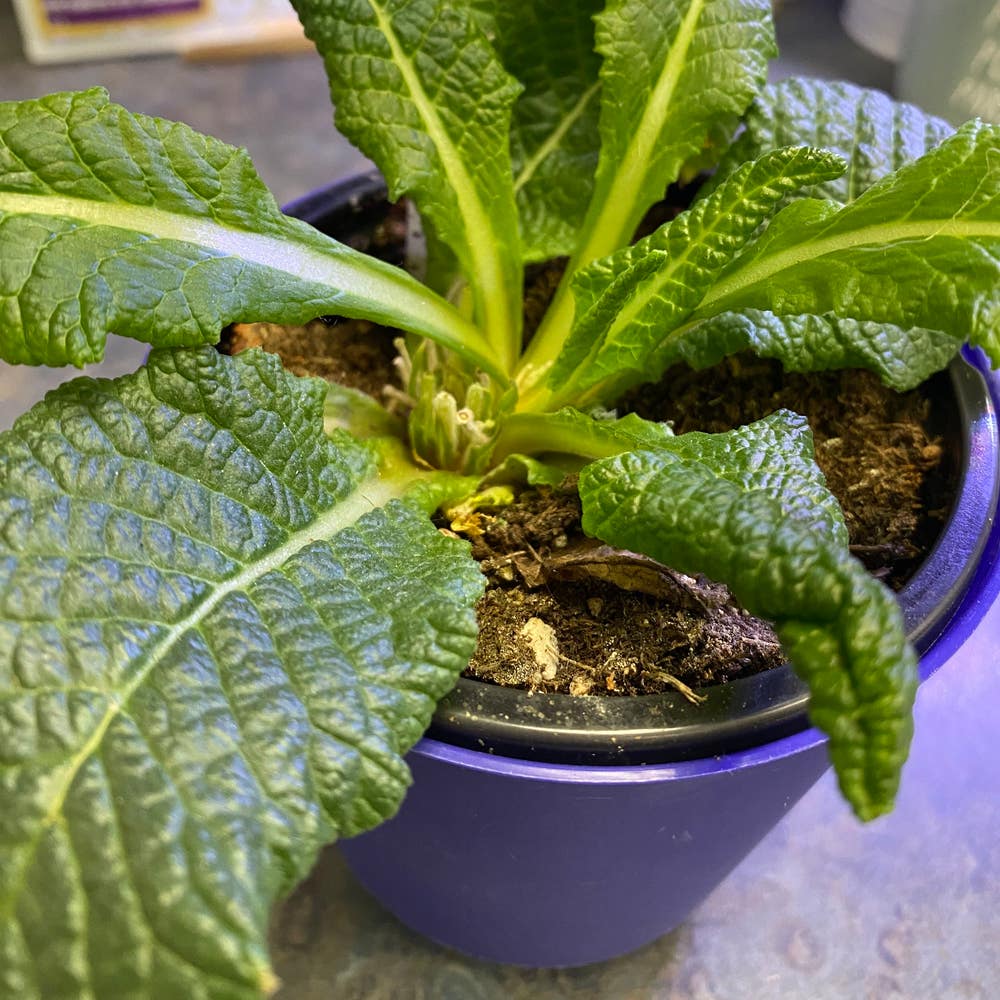
🌼 9 Outdoor Care Tips for Primrose
Primula spp.
By the Greg Editorial Team
Aug 24, 2024•5 min read
This article was created with the help of AI so we can cover more plants for you. May contain errors. See one? Report it here.
- 🌞 Primrose thrives in partial shade, needing 4-6 hours of indirect sunlight daily.
- 💧 Consistent moisture is key; water 1-2 times weekly, adjusting for rainfall.
- 🌱 Healthy soil and regular testing ensure optimal growth for vibrant Primrose plants.
Sunlight Requirements
Ideal Conditions 🌤️
Primrose thrives best in partial to full shade. Direct afternoon sun can scorch its delicate leaves, leading to stress and stunted growth.
Measuring Sunlight Exposure 📏
To assess sunlight in your garden, observe how light shifts throughout the day. Aim for 4-6 hours of indirect sunlight daily for optimal health.
Adjusting Sunlight Exposure 🌿
If your Primrose isn't getting enough shade, consider using garden structures like trellises or planting companion plants that provide natural cover. These strategies can help create a more suitable environment for your flowers to flourish.
As you ensure your Primrose receives the right amount of sunlight, remember that proper watering techniques will also play a crucial role in their overall health.
Watering Needs and Techniques
Watering Requirements 🌧️
Primrose thrives on consistent moisture, especially in warmer climates. Aim to water your plants 1-2 times per week, adjusting based on rainfall.
Techniques for Effective Watering 💧
To promote healthy root growth, consider deep watering methods. Drip irrigation systems can also enhance efficiency, delivering water directly to the roots.
Signs of Overwatering and Underwatering 🚨
Watch for yellowing leaves, wilting, or root rot as signs of overwatering. Conversely, if your Primrose appears droopy or dry, it may be underwatered.
Understanding these watering needs is crucial for maintaining vibrant Primrose plants. Next, we’ll explore the ideal soil preferences and amendments to support their growth.
Soil Preferences and Amendments
Ideal Soil Conditions 🌱
Primrose thrives in well-drained, moist soil. Aim for a soil pH between 6.0 and 7.0 for optimal growth.
Soil Amendments for Optimal Growth 🌿
To enhance soil quality, consider adding organic matter like compost or well-rotted manure. These amendments not only enrich the soil but also improve drainage, especially in heavy soils.
Testing Soil Quality 🔍
Regularly testing your soil is crucial for maintaining healthy Primrose plants. Use simple methods like pH test kits or moisture meters to ensure your soil meets the necessary conditions for growth.
By understanding and optimizing soil preferences, you can create a thriving environment for your Primrose. Next, let’s explore the watering needs and techniques that will keep your plants hydrated and healthy.
Fertilization Schedule and Types
🌱 Fertilization Needs
Balanced fertilization is crucial for Primrose during the growing season. Aim for an NPK ratio of 10-10-10 or something similar to ensure your plants thrive.
⏰ Fertilization Schedule
Timing is everything! Apply fertilizer in early spring and again in mid-summer. For best results, fertilize every 4-6 weeks while your Primrose is actively growing.
🌿 Organic vs. Chemical Fertilizers
Consider using organic fertilizers for their slow-release nutrients and benefits to soil health. They can enhance the overall vitality of your garden while being gentler on the environment.
With the right fertilization strategy, your Primrose will flourish beautifully. Next, let’s explore how to protect these lovely plants from extreme weather conditions.
Weather Protection and Seasonal Care
🌪️ Strategies for Protecting from Extreme Weather
Primrose plants can be sensitive to extreme weather conditions. To shield them from frost, consider using row covers or cloches, which create a protective barrier.
During heat waves, providing shade cloth can help prevent sunburn and stress. This simple addition can make a significant difference in maintaining plant health.
📅 Seasonal Adjustments
As temperatures fluctuate, adjusting your watering schedule is crucial. In hotter months, you may need to increase watering frequency, while cooler periods might require less.
Heavy rains can pose a risk of waterlogging. Ensure proper drainage by checking soil conditions and amending as necessary to keep your Primrose thriving.
🌼 Spring and Summer Care
Spring is the perfect time to prune dead foliage, encouraging fresh growth. Regularly monitoring moisture levels will help you provide the right amount of water and shade as needed.
This proactive approach ensures your Primrose remains vibrant and healthy throughout the growing season.
❄️ Fall and Winter Preparation
As temperatures drop in the fall, it's time to reduce watering. Primrose needs less moisture during dormancy, so adjust accordingly.
Mulching is essential for protecting roots from freezing. A layer of mulch not only insulates but also retains moisture, giving your plants the best chance to survive winter.
With these weather protection and seasonal care tips, your Primrose will be well-equipped to handle the elements. Next, let’s explore pest and disease management to keep your garden flourishing.
Pest and Disease Management
Common Outdoor Pests 🐛
Primrose plants can attract a few common pests, notably aphids, slugs, and snails. Look for signs of infestation, such as chewed leaves or sticky residue on the foliage.
Signs of Disease 🦠
Primrose is also susceptible to several diseases, including root rot, powdery mildew, and leaf spot. Watch for symptoms like wilting, discoloration, and any fungal growth that may appear on the leaves.
Control Methods 🧪
To manage pests organically, consider using neem oil, insecticidal soap, or diatomaceous earth. If infestations persist, you may need to responsibly resort to chemical pesticides, ensuring you follow application guidelines carefully.
By staying vigilant and proactive, you can keep your Primrose healthy and thriving. Next, let’s explore how climate zones affect your care techniques for these beautiful plants.
Climate Zone Considerations
🌍 Identifying Suitable Climate Zones
Primrose thrives best in USDA hardiness zones 3 to 9. In cooler climates, they prefer well-drained, moist soil and partial shade to protect them from harsh afternoon sun.
☀️ Special Care for Different Climates
Adjusting care techniques is crucial based on local weather patterns. For warmer climates, consider providing increased shade and ensuring consistent moisture to keep your Primrose healthy.
🔄 Adapting Care Techniques
Local knowledge is invaluable when caring for Primrose. Consult local gardening resources to understand seasonal adjustments that align with regional climate changes, ensuring your plants flourish year-round.
With these climate considerations in mind, you can create the perfect environment for your Primrose to thrive. Next, let’s explore effective pest and disease management strategies to keep your plants healthy and vibrant.
⚠️ Safety First
This content is for general information and may contain errors, omissions, or outdated details. It is not medical, veterinary advice, or an endorsement of therapeutic claims.
Always consult a qualified healthcare professional before using any plant as food, medicine, or supplement.
Never eat any plant (or feed one to pets) without confirming its identity with at least two trusted sources.
If you suspect poisoning, call Poison Control (800) 222-1222, the Pet Poison Helpline (800) 213-6680, or your local emergency service immediately.
Spotted an error? Please report it here.
Nurture your Primrose to bloom brilliantly 🌸 by using Greg's tailored watering reminders and expert care tips that keep your garden thriving all season long!