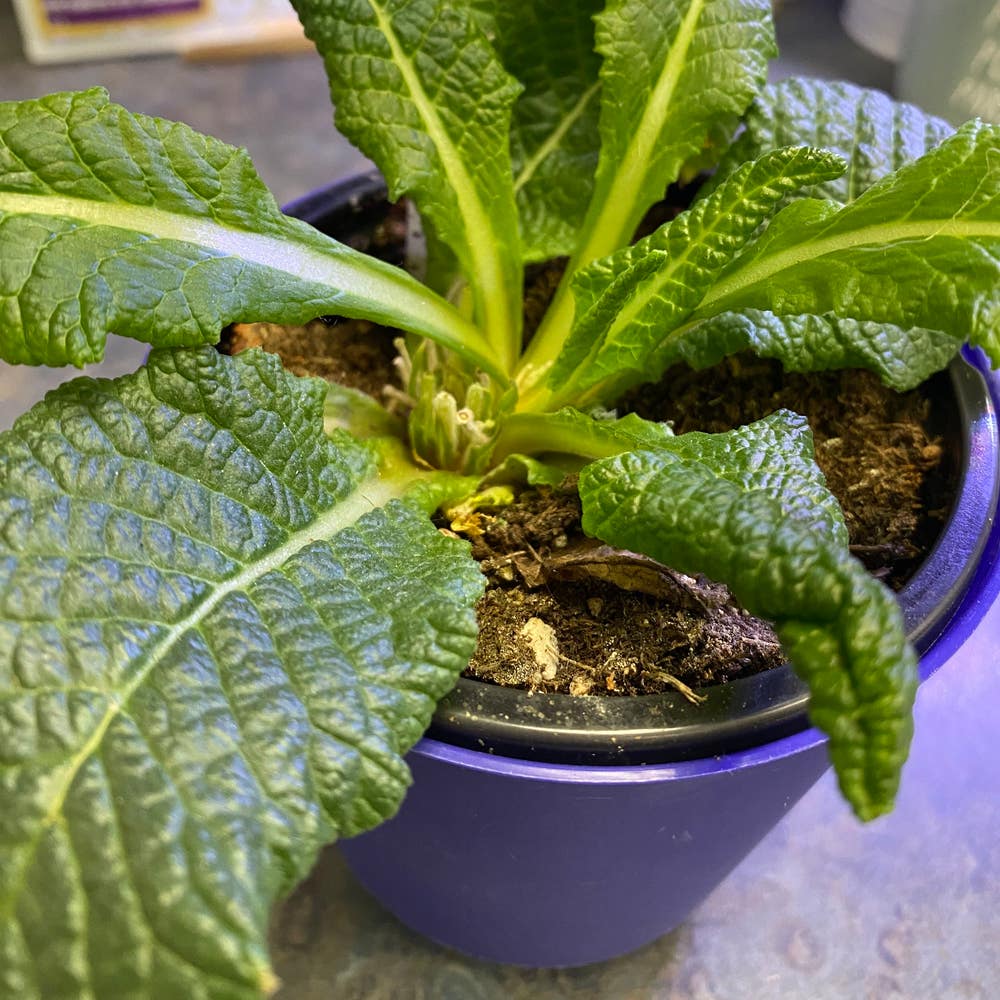
🌸 How to Propagate Your Primrose
Primula spp.
By the Greg Editorial Team
Aug 24, 2024•4 min read
This article was created with the help of AI so we can cover more plants for you. May contain errors. See one? Report it here.
- 🌱 Collect primrose seeds in late spring for optimal harvesting success.
- 🌡️ Germinate seeds at 15-20°C with indirect light for best growth.
- ✂️ Choose healthy cuttings and maintain humidity for successful propagation.
Propagating Primrose from Seeds
🌱 Step-by-Step Guide on Seed Collection
Collecting seeds from primrose is a rewarding process. The ideal timing for this is late spring to early summer when the seed pods are dry.
- Identify ripe seed pods: Look for brown, dry pods that indicate readiness.
- Harvest seeds: Gently open the pods and collect the seeds inside.
- Store seeds: Keep them in a cool, dry place, ideally in a paper envelope to maintain their viability.
🌡️ Ideal Conditions for Seed Germination
Creating the right environment for seed germination is crucial. Aim for a temperature range of 15°C to 20°C (59°F to 68°F) for optimal results.
- Light: Provide indirect light; direct sunlight can cause overheating and hinder growth.
- Soil: Use a well-draining seed starting mix with a pH of 6.0 to 7.0 to promote healthy germination.
⏰ Timing for Sowing Seeds
Timing your sowing can significantly impact your success. The best time for indoor sowing is late winter to early spring, while early spring is ideal for outdoor sowing.
- Germination time: Expect seeds to germinate within 2-4 weeks under these ideal conditions.
With the right techniques and timing, propagating primrose from seeds can be a straightforward and enjoyable endeavor. Next, let’s explore how to propagate primrose from cuttings for those looking for an alternative method.
Propagating Primrose from Cuttings
🌱 Selecting the Right Cuttings
To successfully propagate primrose from cuttings, start by selecting healthy stems. Look for stems with at least 2-3 leaf nodes, as these will provide the best chance for rooting.
Timing is crucial; aim to take cuttings in early spring or late summer for optimal results. This ensures that the plant is actively growing, which enhances rooting success.
✂️ Preparing Cuttings for Rooting
Once you've selected your cuttings, it's time to prepare them. Cut stems to a length of 4-6 inches, making the cut just below a leaf node.
Next, remove the lower leaves, leaving 1-2 leaves at the top. For an extra boost, consider dipping the cut ends in rooting hormone to enhance rooting success.
🌿 Ideal Environment for Rooting Cuttings
Creating the right environment is key to successful rooting. Maintain high humidity around the cuttings by using a plastic bag or a humidity dome.
Keep the cuttings in a warm location, ideally around 20°C (68°F). For the best results, use a well-draining potting mix or perlite, which will help prevent waterlogging and promote healthy root development.
With these steps, you’re well on your way to propagating primrose from cuttings. Next, let’s explore how to divide primrose plants for even more propagation opportunities.
Dividing Primrose Plants
🌱 When to Divide Primrose
The best time to divide primrose plants is during early spring or fall when they are actively growing. Look for signs like crowded growth or reduced flowering, which indicate it's time for division.
🛠️ Tools Needed for Division
To successfully divide your primrose, gather the following tools:
- A sharp spade or garden fork
- A clean, sharp knife for cutting roots
- Gloves for protection
📋 Step-by-Step Division Process
- Water the plant: Ensure the soil is moist before you start the division process.
- Dig around the plant: Carefully lift the entire clump from the ground, being gentle to avoid damaging the roots.
- Separate roots: Gently pull apart or cut the root ball into sections, ensuring each section has both roots and leaves.
- Replant: Place the divisions in well-draining soil, making sure to space them appropriately for optimal growth.
Dividing primrose not only rejuvenates the plants but also allows you to expand your garden. With the right timing and technique, you'll enjoy a thriving display of these beautiful blooms. Next, let’s explore common challenges you might face in primrose propagation.
Common Challenges in Primrose Propagation
🌱 Troubleshooting Seed Germination Issues
Germinating primrose seeds can sometimes feel like a game of patience. Temperature fluctuations are a common culprit; maintaining consistent warmth is crucial for successful germination.
Soil moisture also plays a vital role. Aim for a balance—too dry or too soggy can hinder those little seeds from sprouting.
🔄 Solutions for Poor Germination
If your seeds haven't germinated after four weeks, it might be time to re-sow. Fresh seeds often yield better results, so checking seed viability is a smart move.
🦠 Addressing Root Rot in Cuttings
Root rot can be a nightmare for budding gardeners. Look out for signs like wilting, even when you're watering adequately, or dark, mushy roots upon inspection.
🛠️ Prevention and Treatment Methods
To prevent root rot, always use well-draining soil and steer clear of overwatering. If you do encounter rot, remove the affected cuttings, let the roots dry out, and replant them in fresh soil.
With these tips, you can navigate the common challenges of propagating primrose with confidence. Next, let’s explore the exciting world of dividing primrose plants for even more propagation success!
⚠️ Safety First
This content is for general information and may contain errors, omissions, or outdated details. It is not medical, veterinary advice, or an endorsement of therapeutic claims.
Always consult a qualified healthcare professional before using any plant as food, medicine, or supplement.
Never eat any plant (or feed one to pets) without confirming its identity with at least two trusted sources.
If you suspect poisoning, call Poison Control (800) 222-1222, the Pet Poison Helpline (800) 213-6680, or your local emergency service immediately.
Spotted an error? Please report it here.
Propagate your primrose like a pro 🌼 with Greg's personalized reminders and expert tips to ensure your seeds germinate and cuttings thrive!