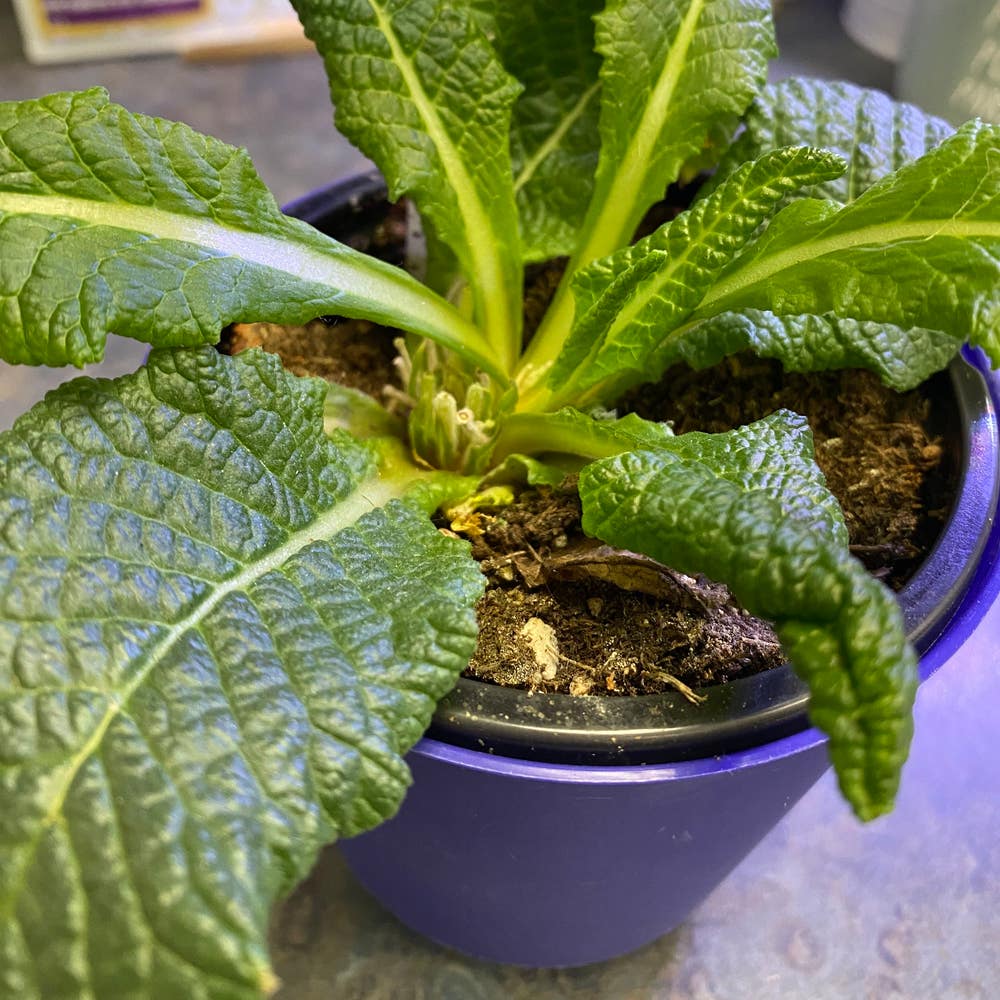
🌸 5 Do's and Don'ts of Growing Primrose
Primula spp.
By the Greg Editorial Team
Aug 24, 2024•6 min read
This article was created with the help of AI so we can cover more plants for you. May contain errors. See one? Report it here.
- 🌤️ Primrose thrives in partial to full shade; avoid extreme heat for best growth.
- 💧 Keep soil moist but well-drained; water at the base to prevent fungal issues.
- 🌱 Fertilize in spring and incorporate organic matter for vibrant blooms and health.
Choosing the Right Location
🌞 Sunlight Requirements
Primrose thrives best in partial to full shade. This light condition not only prevents wilting but also promotes robust growth, ensuring your plants flourish.
🌿 Environmental Considerations
During hot months, providing shade is crucial to protect primrose from extreme heat. Additionally, selecting locations with natural moisture sources helps retain the necessary soil moisture for healthy plants.
Finding the right spot for your primrose can make all the difference in their growth and vibrancy. With the right conditions, you’ll set the stage for a stunning display of blooms.
As you prepare to plant, consider the soil requirements next.
Soil Preparation
Soil Requirements 🌱
Primrose thrives in moist, well-drained soil, which is crucial for its healthy growth. Aim for a slightly acidic to neutral pH level, ideally between 6.0 and 7.0, to create the perfect environment for these vibrant flowers.
Soil Amendments 🧑🌾
Incorporating organic matter, like compost, can significantly enhance soil structure and fertility. Additionally, consider adding perlite or sand to improve drainage, ensuring your primrose roots stay happy and healthy without sitting in water.
With the right soil preparation, you're setting the stage for a flourishing primrose garden. Next, let’s dive into the best planting techniques to ensure your flowers take root successfully.
Planting Techniques
Timing for Planting 🌱
The best time to plant primrose is in early spring or fall. These seasons provide optimal conditions for establishment, allowing your plants to thrive.
Planting Depth and Spacing 📏
When planting, ensure you place the primrose at the same depth as it was in the nursery pot. Space the plants 6 to 12 inches apart, depending on the variety, to give them room to grow.
Step-by-Step Instructions 📝
- Prepare the planting hole: Make it twice the width of the root ball to allow for healthy root expansion.
- Place the plant in the hole: Ensure the crown is level with the soil surface for proper growth.
- Backfill with soil: Firm the soil gently to eliminate air pockets that can hinder root development.
- Water thoroughly after planting: This helps settle the soil and provides moisture for your new primrose.
By following these straightforward planting techniques, you set the stage for a flourishing primrose garden. Next, let's explore the watering requirements to keep your plants healthy and vibrant.
Watering Requirements
💧 Watering Needs
Primrose plants thrive when their soil is kept consistently moist but not waterlogged. Watch for signs of under-watering, such as wilting leaves and drooping flowers, which indicate your plants are thirsty.
🌊 Watering Techniques
To promote healthy growth, water at the base of the plant. This prevents moisture from sitting on the foliage, which can lead to fungal issues.
🌡️ Seasonal Adjustments
During hot, dry spells, be prepared to increase your watering frequency. Primrose plants appreciate a little extra attention when the temperatures rise, ensuring they stay vibrant and healthy.
With proper watering techniques in place, your primrose will flourish, setting the stage for effective fertilization practices that will further enhance their growth.
Fertilizing: Best Practices
Fertilization Schedule 🌱
Timing is key when it comes to fertilizing primrose. Aim to fertilize in early spring as new growth begins to emerge, giving your plants the nutrients they need to thrive.
Types of Fertilizers 🧪
For optimal results, use balanced, slow-release fertilizers with an NPK ratio of 10-10-10. If you prefer organic options, consider fish emulsion or compost tea, both of which provide natural nutrients without the chemicals.
Application Methods 💧
When applying granular fertilizers, spread them evenly around the base of the plant, but avoid direct contact with the stems to prevent damage. For liquid fertilizers, dilute them and apply during watering; this method ensures quick absorption and immediate benefits for your primrose.
By following these fertilizing best practices, you’ll set your primrose up for success, ensuring vibrant blooms and healthy foliage. Next, let’s explore the common challenges you might face while growing these beautiful plants.
Common Challenges
🐛 Identifying and Managing Pests
Pests can be a real headache for primrose growers. Two common culprits are aphids and slugs.
Common Pests
- Aphids: These tiny insects can cause curled leaves and leave a sticky residue behind.
- Slugs and Snails: Look for holes in your leaves; these slimy creatures are often the cause.
Control Methods
Managing these pests doesn't have to be complicated. For aphids, organic solutions like neem oil or insecticidal soap work wonders.
For slugs, handpicking is effective; just check your plants in the evening when they're most active.
🦠 Recognizing and Treating Diseases
Diseases can sneak up on you, but knowing the signs can help you act quickly. Two common diseases to watch for are root rot and powdery mildew.
Common Diseases
- Root Rot: This disease manifests as wilting and yellowing leaves, often due to overwatering.
- Powdery Mildew: Look for white powdery spots on leaves; this is a clear indicator of trouble.
Treatment Options
Prevention is key. Ensure your primrose has proper drainage and good air circulation to keep diseases at bay.
If you do spot an issue, remove affected leaves immediately and consider applying fungicides as needed.
By staying vigilant and proactive, you can keep your primrose thriving and beautiful. Now, let’s explore some advanced care techniques to elevate your gardening game!
Advanced Care Techniques
🌱 Propagation Methods
Seed Propagation
Sowing seeds is a rewarding way to expand your primrose collection. Aim to plant them in late winter or early spring, ensuring the soil remains moist and temperatures are moderate for optimal germination.
Division
Dividing primrose plants is essential for their health and vitality. Plan to do this every 2-3 years, ideally in early spring or fall, to rejuvenate your plants and encourage robust growth.
🍃 Seasonal Adjustments in Care Routine
Spring Care
As spring arrives, it's time to focus on fertilization and pruning. This is when your primroses start to wake up, so give them a nutrient boost to support their growth.
Fall Preparation
In the fall, prepare your plants for winter by applying mulch and reducing watering. This helps protect them from harsh conditions and ensures they remain healthy through the colder months.
🔧 Long-term Maintenance
Regular Monitoring
Keep a close eye on your primroses for any signs of pests or diseases. Regular checks can help you catch issues early, ensuring your plants stay vibrant and thriving.
Adjusting Care
Be flexible with your care routine based on your plants' growth stages and environmental changes. Adapting your approach will lead to healthier, more resilient primroses.
With these advanced care techniques, you’ll be well-equipped to nurture your primrose plants. Next, let’s explore common challenges you might encounter and how to effectively manage them.
⚠️ Safety First
This content is for general information and may contain errors, omissions, or outdated details. It is not medical, veterinary advice, or an endorsement of therapeutic claims.
Always consult a qualified healthcare professional before using any plant as food, medicine, or supplement.
Never eat any plant (or feed one to pets) without confirming its identity with at least two trusted sources.
If you suspect poisoning, call Poison Control (800) 222-1222, the Pet Poison Helpline (800) 213-6680, or your local emergency service immediately.
Spotted an error? Please report it here.
Grow stunning primrose blooms 🌸 effortlessly with Greg's tailored watering and care reminders that keep your plants thriving all season long!