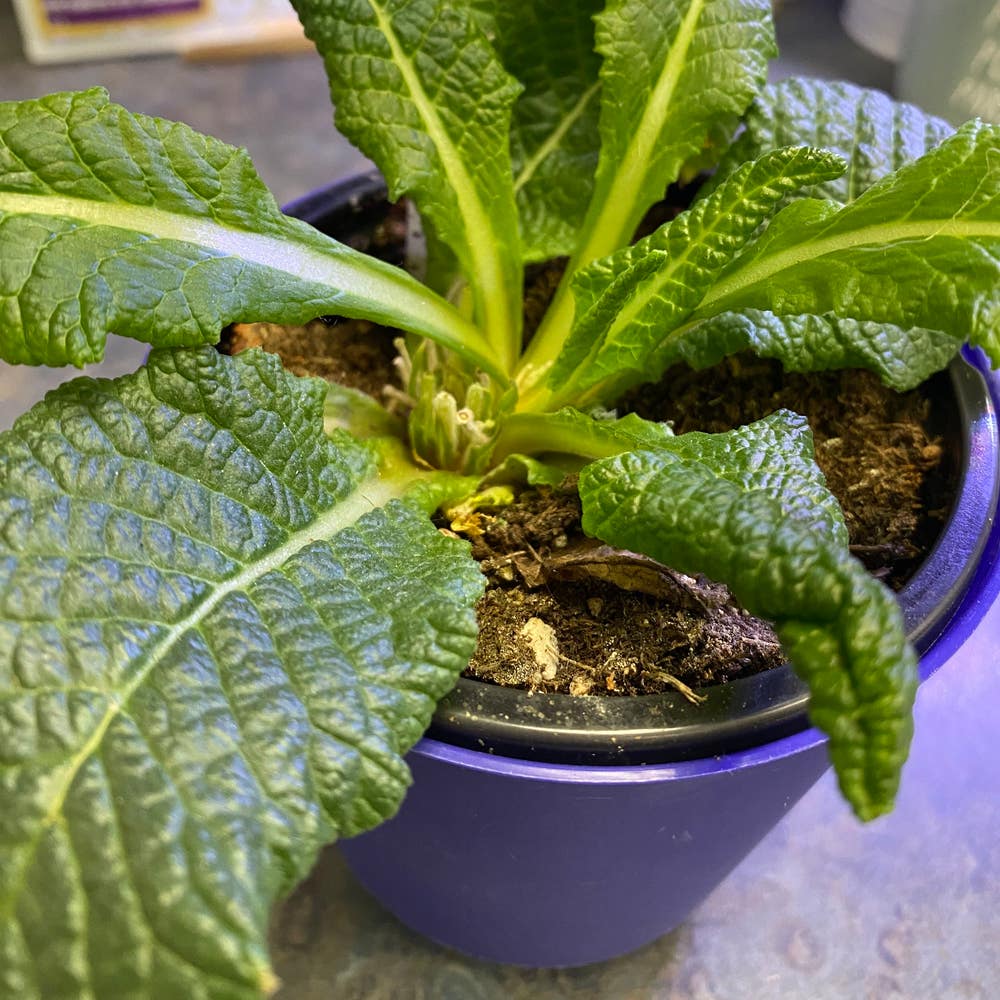
🌸 Primula neurocalyx Explained: Key Information
Primula spp.
By the Greg Editorial Team
Feb 01, 2025•10 min read
This article was created with the help of AI so we can cover more plants for you. May contain errors. See one? Report it here.
- 🌱 Primula neurocalyx thrives in partial shade with cooler, moist conditions for growth.
- 🌼 Regular deadheading and fertilizing every 4-6 weeks ensure vibrant blooms.
- 🐾 Generally safe for pets, but large quantities may cause mild gastrointestinal upset.
How to Grow
Choosing a Location 🌳
Primula neurocalyx thrives in partial shade, which helps prevent leaf scorching. It prefers cooler climates and moist conditions, making it an ideal choice for shaded garden spots.
Soil Preparation 🏞️
For optimal growth, use well-draining soil rich in organic matter. Aim for a pH level between 6.0 and 7.0 to create a slightly acidic to neutral environment, and ensure good drainage to prevent root rot.
Planting Techniques 🌱
When planting, space your Primula neurocalyx 12-18 inches apart to allow for healthy growth. Be sure to plant them at the same depth they were in the nursery pot for best results.
Watering Requirements 💧
Keep the soil consistently moist, but avoid waterlogging. Water at the base of the plant to prevent wetting the foliage, which can lead to fungal issues.
Fertilizing 🌼
Use a balanced, slow-release fertilizer to nourish your plants. Fertilize every 4-6 weeks during the growing season to promote vibrant blooms.
Pruning and Ongoing Care ✂️
Regular deadheading is essential; remove spent flowers to encourage new blooms. Additionally, trim any dead or damaged leaves to maintain plant health and appearance.
Outdoor vs. Container Growing Considerations 🏡
If growing in containers, choose pots with adequate drainage holes to prevent water accumulation. For outdoor planting, consider the microclimates in your garden to find the best placement for your Primula neurocalyx.
With these tips, you’re well on your way to cultivating a thriving Primula neurocalyx garden. Next, let’s explore how to propagate this beautiful plant for even more blooms!
Propagation
🌱 Seed Propagation
To propagate Primula neurocalyx from seeds, start by sowing them in spring. Keep the soil moist and ensure they receive adequate light for optimal growth.
Germination typically takes about 2-4 weeks under ideal conditions. This patience pays off as you nurture new plants from tiny seeds.
✂️ Division of Established Plants
Dividing established plants is another effective propagation method. The best time to do this is in early spring or fall when the plant is not in full bloom.
Carefully separate the clumps and replant them immediately to minimize stress. This technique not only helps in propagation but also rejuvenates the parent plant, promoting healthier growth.
With these propagation methods, you can expand your Primula neurocalyx collection and enjoy their vibrant blooms in various spots around your garden. Next, let’s explore the lifecycle of this fascinating perennial.
Lifecycle
🌱 Lifecycle Stages
Primula neurocalyx is a perennial plant, meaning it lives for multiple years. Its lifecycle includes several distinct stages: seed germination, seedling stage, vegetative growth, flowering, and seed production.
⏳ Lifespan and Maturity
Under optimal conditions, Primula neurocalyx can thrive for several years. It typically takes about 1-2 years to reach its full size, with moderate growth rates leading to flowering in the second year.
📈 Growth Rate
The growth rate of Primula neurocalyx is moderate, allowing for steady development. This means you can expect to see vibrant blooms and lush foliage as the plant matures, adding beauty to your garden.
Understanding the lifecycle of Primula neurocalyx not only enhances your gardening skills but also deepens your appreciation for this resilient plant. Next, let’s explore how to properly care for your Primula neurocalyx to ensure it flourishes in your garden.
Size
Mature Height and Spread 🌱
Primula neurocalyx typically reaches a mature height of 6 to 12 inches. Its spread can extend from 12 to 18 inches, making it a compact yet vibrant addition to your garden.
Growth Rate and Size Variability 📈
Several factors influence the size of Primula neurocalyx. Soil quality, light exposure, and moisture levels all play crucial roles in determining how robust your plants will grow.
Time to Reach Full Size ⏳
Under optimal conditions, Primula neurocalyx generally reaches its full size within 1 to 2 years. This moderate growth rate allows you to enjoy its beauty without a long wait.
As you nurture your plants, keep an eye on their growth patterns. Understanding these aspects will help you create the ideal environment for your Primula neurocalyx to thrive.
Roots
🌱 Root System Characteristics
Primula neurocalyx features a fibrous root system, which allows it to efficiently absorb nutrients and water. These roots are shallow and spread out, making them well-suited for the plant's preferred moist conditions.
⚠️ Common Root-Related Issues
Overwatering can lead to root rot, a serious condition where roots become mushy and start to decay. Additionally, if the plant becomes rootbound, you may notice stunted growth and roots circling within the pot.
👀 Visual Cues for Healthy vs. Unhealthy Roots
Healthy roots are firm, white, and spread out evenly throughout the soil. In contrast, unhealthy roots appear dark, mushy, or may even emit a foul smell, indicating a need for immediate attention.
🛠️ Tips for Managing Root Health
To prevent rootbound conditions, repot your Primula neurocalyx every 2-3 years or whenever you see that the roots have filled the pot. This simple practice ensures that your plant continues to thrive and grow without restrictions.
Understanding the root system of Primula neurocalyx is crucial for its overall health. By keeping an eye on root conditions and taking proactive measures, you can enjoy a flourishing plant for years to come.
Next, we’ll explore the benefits of growing this beautiful perennial.
Benefits
Aesthetic Appeal 🌸
Primula neurocalyx boasts vibrant flowers that can brighten any garden. Their striking colors add a delightful touch, making them a favorite among landscape enthusiasts.
Attracts Pollinators 🐝
These flowers are not just pretty; they also play a vital role in the ecosystem. Bees and butterflies are drawn to Primula neurocalyx, helping to pollinate other plants in your garden.
Edible Properties 🥗
Did you know that young leaves and flowers of Primula neurocalyx are edible? They can be a fresh addition to salads, offering both flavor and nutrition.
Cultural Significance 🌼
In many cultures, Primula neurocalyx symbolizes spring and renewal. Its presence in gardens often evokes feelings of hope and new beginnings.
Medicinal Benefits 🌿
Historically, this plant has been used in various herbal remedies. Its properties are believed to help with a range of ailments, showcasing its versatility beyond mere aesthetics.
With so many benefits, Primula neurocalyx is a fantastic choice for any garden enthusiast. Whether you're looking to enhance your landscape or explore its culinary uses, this plant has something to offer everyone.
Companion Plants
🌱 Concept of Companion Planting
Companion planting is all about creating a harmonious garden environment. It enhances biodiversity and helps manage pests naturally, leading to healthier plants.
🌼 Best Companion Plants
When growing Primula neurocalyx, consider pairing it with hostas, ferns, and other shade-loving plants. These companions thrive under similar moisture and light conditions, ensuring a flourishing garden.
🚫 Plants to Avoid
Be cautious of heavy feeders in your garden. They can compete for nutrients, potentially stunting the growth of your Primula neurocalyx.
By selecting the right companions, you can create a vibrant and resilient garden space. This thoughtful approach not only benefits your plants but also enhances the overall beauty of your landscape.
Toxicity to Humans
⚠️ Potential for Irritation
Primula neurocalyx can cause irritation, particularly from its leaves and flowers. Symptoms may include skin rashes, itching, and mild gastrointestinal upset if ingested.
🧤 Safe Handling Tips
To minimize the risk of irritation, it's wise to wear gloves when handling this plant. This simple precaution can help you enjoy gardening without the worry of unwanted reactions.
Edible
Edible Parts 🌼
Primula neurocalyx offers delightful culinary options, with its young leaves and vibrant flowers being the most sought after. These parts not only add a splash of color to your dishes but also bring unique flavors.
Identification and Harvesting Techniques 🌱
To enjoy these edible treasures, harvest young leaves and flowers in the spring. Look for tender, fresh growth, and be sure to pick them gently to encourage further blooming.
Nutritional Value 🥗
These edible parts are not just pretty; they are also packed with nutrients. Rich in vitamins and antioxidants, they contribute to a healthy diet while enhancing your meals.
Cultural Uses 🍽️
Traditionally, Primula neurocalyx has found its way into salads and garnishes. Its vibrant flowers and fresh leaves elevate dishes, making them not only nutritious but visually appealing as well.
Transitioning to the next topic, let's explore the fascinating cultural significance and culinary applications of this beautiful plant.
Toxicity to Dogs
🐶 Safety Around Dogs
Primula neurocalyx is generally safe for dogs, with no known toxic effects. However, if consumed in large quantities, it may cause mild gastrointestinal upset.
🏡 Tips for Introducing to Homes with Dogs
When introducing Primula neurocalyx to your home, it's wise to keep the plant out of your dog's reach. Monitoring interactions can help ensure your furry friend stays safe while enjoying the beauty of your garden.
With these precautions, you can enjoy the vibrant blooms of Primula neurocalyx without worry. Next, let’s explore how this plant interacts with our feline friends.
Toxicity to Cats
🐱 Safety Around Cats
Primula neurocalyx is safe for cats, with no known toxic effects. However, consuming large quantities might lead to mild gastrointestinal upset.
🏠 Tips for Introducing to Homes with Cats
When introducing this plant into your home, keep it out of reach of your feline friends. It's also wise to monitor their interactions to ensure they don't nibble on it excessively.
With these precautions, you can enjoy the beauty of Primula neurocalyx without worrying about your cat's safety. Now, let's explore how to manage any potential problems that may arise with this lovely plant.
Problems
Common Problems 🌱
Growing Primula neurocalyx can come with its share of challenges.
- Overwatering is a frequent issue, leading to yellowing leaves and root rot.
- Light Issues arise when the plant doesn't receive enough sunlight, resulting in leggy growth.
- Temperature extremes, particularly heat, can cause wilting and stress.
Identifying Symptoms and Causes 🔍
Recognizing the signs of distress is crucial for maintaining plant health.
Look for yellowing leaves, wilting, or stunted growth as indicators that something is off.
Solutions for Common Issues 💡
Fortunately, many problems have straightforward solutions.
- Adjust your watering habits to ensure the soil remains moist but not soggy.
- Provide adequate light conditions to prevent leggy growth and promote robust health.
By staying vigilant and responsive to your Primula neurocalyx's needs, you can enjoy a thriving garden full of vibrant blooms.
Bugs
🐜 Potential Pest Issues
Primula neurocalyx can attract a few unwelcome guests. The most common pests include aphids, spider mites, and mealybugs.
🔍 Identification and Damage
Aphids are small, green insects that can cause significant leaf curling. Spider mites, on the other hand, leave fine webbing and create stippled leaves, indicating they’ve taken up residence.
🧪 Treatment Options
To combat these pests, consider using organic methods like neem oil or insecticidal soap. These treatments are effective and help maintain the health of your plants without harsh chemicals.
By staying vigilant and addressing pest issues promptly, you can ensure your Primula neurocalyx thrives beautifully. Next, let’s explore what animals might be munching on your plants.
What Eats
Common Animals 🦌
Primula neurocalyx can attract a variety of hungry critters. Deer, rabbits, and squirrels are the main culprits that may munch on these vibrant plants.
Signs of Animal Presence 🐾
Keep an eye out for telltale signs of animal activity. Chewed leaves, tracks in the soil, and droppings can indicate that your Primula is being targeted by local wildlife.
Deterrent Methods 🚫
To protect your plants, consider using deterrent methods. Chemical repellents can be effective, but you might also explore organic options like planting deterrent species or setting up physical barriers to keep those pesky animals at bay.
With a little vigilance and the right strategies, you can enjoy your Primula neurocalyx without the worry of unwanted nibblers.
⚠️ Safety First
This content is for general information and may contain errors, omissions, or outdated details. It is not medical, veterinary advice, or an endorsement of therapeutic claims.
Always consult a qualified healthcare professional before using any plant as food, medicine, or supplement.
Never eat any plant (or feed one to pets) without confirming its identity with at least two trusted sources.
If you suspect poisoning, call Poison Control (800) 222-1222, the Pet Poison Helpline (800) 213-6680, or your local emergency service immediately.
Spotted an error? Please report it here.
Transform your garden with the vibrant blooms of Primula neurocalyx 🌼—let Greg guide you with tailored watering reminders and expert care tips for thriving plants!