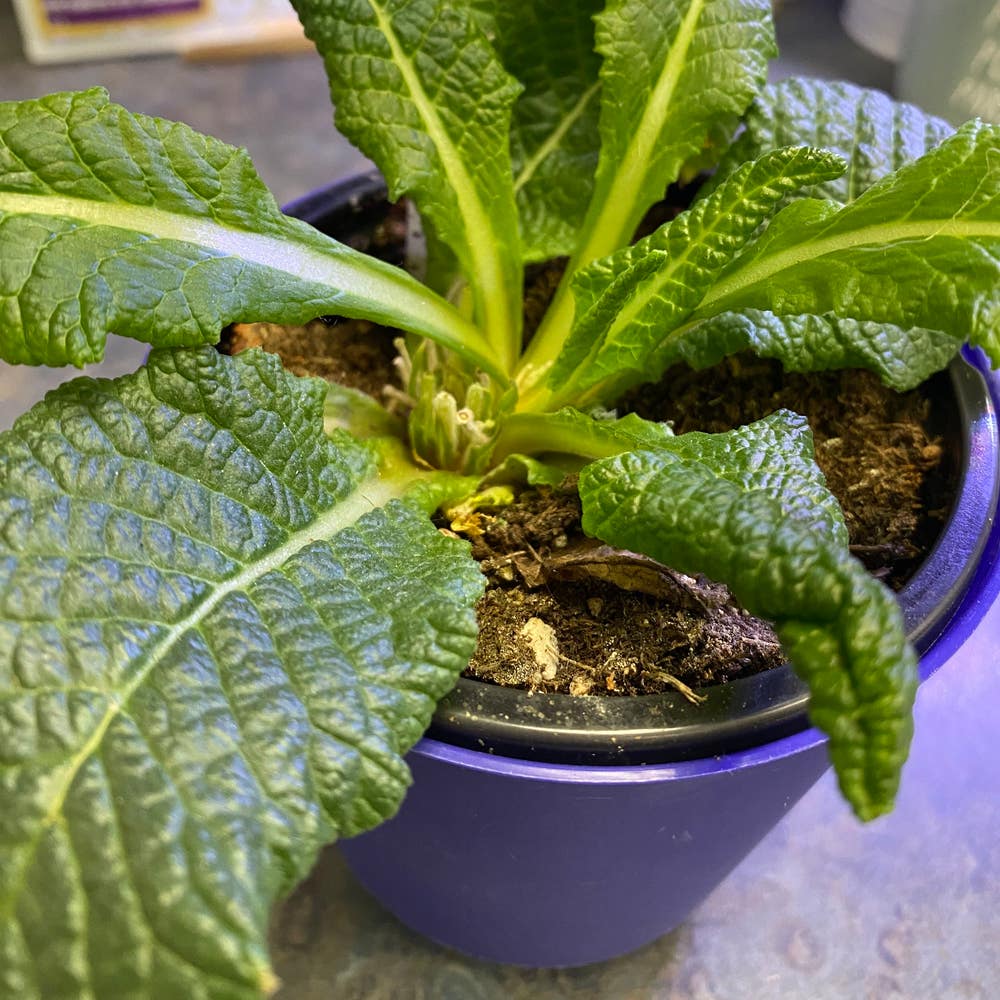
🌼 4 Primrose Varieties You Didn't Know About
Primula spp.
By the Greg Editorial Team
Aug 24, 2024•4 min read
This article was created with the help of AI so we can cover more plants for you. May contain errors. See one? Report it here.
- 🌼 Discover vibrant colors of Primula vulgaris, perfect for early spring gardens.
- 🌱 Primula obconica thrives indoors with moderate care, featuring larger, diverse flowers.
- 🌈 Rare and hybrid primroses enhance collections, offering unique traits and stunning aesthetics.
Primula vulgaris
Unique Characteristics 🌼
Primula vulgaris, commonly known as the common primrose, showcases a delightful array of flower colors, including vibrant yellows, soft pinks, and pure whites. These cheerful blooms typically emerge in early spring, often before many other flowers, bringing a splash of color to gardens just as winter fades.
Care Requirements (difficulty: easy) 🌱
Caring for Primula vulgaris is straightforward, making it an excellent choice for novice gardeners. This variety thrives in partial shade and prefers moist, well-drained soil, ensuring it remains healthy and vibrant throughout its blooming season.
With its easy care requirements and stunning early blooms, Primula vulgaris is a fantastic addition to any garden. Next, let's explore the unique characteristics of another fascinating primrose variety: Primula obconica.
Primula obconica
🌸 Unique Characteristics
Primula obconica stands out with its larger flowers and an impressive color palette, including vibrant bi-color options. This variety is a favorite among hybridizers, often used to create new and exciting cultivars.
🌱 Care Requirements (difficulty: moderate)
This primrose is well-suited for indoor conditions, making it a popular choice as a houseplant. To thrive, it requires specific watering and light conditions, ensuring it remains healthy and vibrant.
With its unique traits and moderate care needs, Primula obconica is a fantastic addition to any indoor garden. Next, let's explore the distinctive features of Primula auricula and how it thrives in alpine environments.
Primula auricula
🌟 Unique Characteristics
Primula auricula is known for its distinct rosette form, making it a standout in any garden. This variety thrives in alpine conditions, showcasing its resilience and adaptability.
The color variations of Primula auricula are a delight, often seen in soft pastel shades and unique patterns. These vibrant hues can add a touch of elegance to your floral displays.
🌱 Care Requirements (difficulty: hard)
Caring for Primula auricula requires attention to detail. It needs well-drained soil to prevent root rot, so ensure your planting medium is up to par.
Protection from excessive moisture is crucial for its health. Aim for full sun to partial shade to create the ideal growing conditions for this stunning primrose variety.
As you cultivate Primula auricula, you'll appreciate its beauty and unique characteristics. Next, let's explore the fascinating color variations across different primrose cultivars.
Unique Characteristics of Primrose Varieties
🎨 Color Variations Across Cultivars
Primrose flowers showcase a stunning spectrum of colors, making them a favorite among gardeners. From vibrant yellows and soft pinks to pure whites, these blooms can brighten any garden.
Bi-color and multi-color options add an extra layer of charm. Some cultivars feature striking combinations that create eye-catching displays, perfect for adding visual interest to your floral arrangements.
📏 Size Differences Among Primrose Types
Primrose varieties also differ significantly in size. Compact varieties typically reach about 6 inches tall, making them ideal for borders and small spaces.
In contrast, taller varieties can grow up to 12 inches, offering a more dramatic presence in garden design. Understanding these size differences helps in planning your garden layout effectively, ensuring each plant has the space it needs to thrive.
With such diversity in color and size, primroses can fit into any garden aesthetic, whether you're aiming for a cozy nook or a bold statement.
This variety sets the stage for exploring rare and hybrid primrose cultivars, which bring even more unique traits to the table.
Rare and Hybrid Primrose Varieties
🌟 Rare Primrose Cultivars
Rare Primrose cultivars are a treasure trove for plant enthusiasts. These unique varieties often boast distinct traits, such as unusual flower shapes or vibrant colors that stand out in any garden.
Collectors are particularly drawn to cultivars like Primula 'Gold Lace', known for its striking yellow flowers edged in dark purple. Another gem is Primula 'Candelabra', which features tiered blooms that create a stunning visual effect.
🌈 Notable Hybrid Varieties and Their Traits
Hybrid Primroses are a fascinating blend of characteristics from different species. They often exhibit enhanced color variations and larger blooms, making them popular among gardeners.
For instance, Primula x polyantha hybrids are celebrated for their vibrant, multi-colored flowers. These hybrids not only add visual interest but also tend to be more resilient, adapting well to various growing conditions.
In contrast to their species counterparts, hybrids often require less maintenance, making them an excellent choice for both novice and experienced gardeners. Their unique traits and adaptability truly set them apart in the world of Primroses.
As you explore the diverse world of Primrose varieties, consider how these rare and hybrid options can elevate your garden design. Next, we’ll delve into the unique characteristics of Primrose flowers, focusing on their stunning color variations and size differences.
⚠️ Safety First
This content is for general information and may contain errors, omissions, or outdated details. It is not medical, veterinary advice, or an endorsement of therapeutic claims.
Always consult a qualified healthcare professional before using any plant as food, medicine, or supplement.
Never eat any plant (or feed one to pets) without confirming its identity with at least two trusted sources.
If you suspect poisoning, call Poison Control (800) 222-1222, the Pet Poison Helpline (800) 213-6680, or your local emergency service immediately.
Spotted an error? Please report it here.
Elevate your garden's spring display with unique primrose varieties, and let Greg provide tailored care tips 🌸 to help each bloom flourish beautifully!