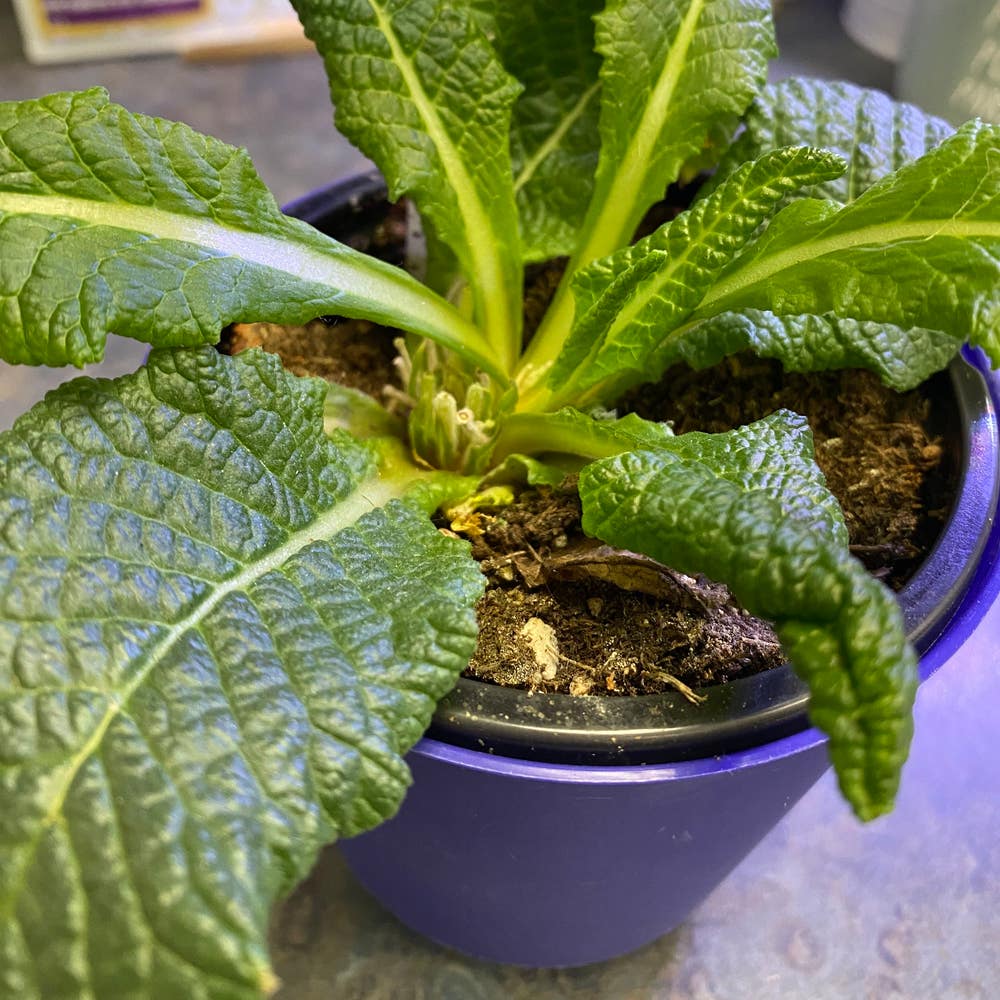
🌞 Actions to Take When Primrose Leaves Turn Yellow
Primula spp.
By the Greg Editorial Team
Oct 18, 2024•5 min read
This article was created with the help of AI so we can cover more plants for you. May contain errors. See one? Report it here.
- 💧 Overwatering causes yellow leaves; ensure proper drainage to prevent root rot.
- 🌱 Nutrient deficiencies like nitrogen and iron lead to yellowing; fertilize accordingly.
- 🐛 Inspect for pests regularly; early detection prevents significant damage to Primrose plants.
Causes of Yellowing Leaves
💧 Overwatering and Root Rot
Overwatering is a common issue for Primrose plants, leading to yellowing leaves, wilting, and mushy roots. When soil becomes waterlogged, it creates a perfect environment for fungal infections, resulting in root rot that can severely damage your plant.
Proper soil drainage is crucial for maintaining Primrose health. Ensure your pot has adequate drainage holes and consider using well-draining soil to prevent excess moisture buildup.
🥦 Nutrient Deficiencies
Nitrogen Deficiency
A nitrogen deficiency often manifests as yellowing of older leaves first, accompanied by stunted growth. Nitrogen is vital for leaf development and overall plant vigor, so addressing this deficiency is essential for a thriving Primrose.
Iron Deficiency
Iron deficiency presents itself through yellowing between leaf veins, while the veins themselves remain green. This nutrient is crucial for chlorophyll production and photosynthesis, making it important to monitor your plant's iron levels.
🐛 Pests and Diseases
Common Pests
Aphids are a frequent pest that can affect Primrose plants, causing curled leaves and sticky residue. To combat these pests, consider using insecticidal soap or neem oil for effective treatment.
Fungal Infections
Fungal infections can lead to yellowing leaves, wilting, and even leaf drop. To prevent these issues, ensure good air circulation around your plants and avoid overhead watering, which can create a damp environment conducive to fungal growth.
🌡️ Environmental Stress
Temperature
Primrose plants thrive in an ideal temperature range of 10°C to 20°C (50°F to 68°F). Extreme temperatures, whether too hot or too cold, can stress the plant and lead to yellowing leaves.
Light Conditions
These plants prefer partial shade, as too much direct sunlight can scorch their leaves. Signs of light stress include yellowing leaves and leaf drop, indicating that your Primrose may need a more suitable location.
Understanding these causes is the first step in addressing yellowing leaves in your Primrose. Next, we'll explore how to diagnose these issues effectively.
Diagnosing Yellow Leaves
👀 Visual Signs to Look For
When your Primrose leaves start turning yellow, pay close attention to the color change. Gradual yellowing often indicates nutrient issues, while sudden yellowing can signal more immediate problems.
Leaf texture is another key indicator. Soft leaves may suggest overwatering, while crisp leaves could mean underwatering. Both conditions can lead to further stress for your plant.
💧 Soil Moisture Testing
Testing soil moisture is essential for maintaining healthy Primrose plants. You can use the finger test—simply stick your finger into the soil up to the second knuckle. If it feels dry, it’s time to water.
Alternatively, a moisture meter provides a more precise reading. Ideally, the soil should be consistently moist but never soggy, striking that perfect balance for your Primrose.
🐛 Checking for Pests
Pests can wreak havoc on your Primrose, so regular inspections are crucial. Look under leaves and along stems for any signs of unwanted visitors.
Common indicators of infestation include visible insects, webbing, or sticky residue. Catching these pests early can save your plant from significant damage.
Treatment Options
Adjusting Watering Practices 🌊
Watering is crucial for Primrose health. Aim to water when the top inch of soil feels dry to the touch.
Using a moisture meter can provide accurate readings, ensuring you don’t overwater. This simple tool can save your plants from the perils of soggy soil.
Fertilization Methods 🌱
Fertilization is key to vibrant growth. Opt for a balanced NPK fertilizer or organic options to nourish your Primrose.
Timing matters too; apply fertilizer in early spring and mid-summer for the best results. This helps maintain nutrient levels throughout the growing season.
Pest Control Strategies 🐛
Pests can wreak havoc on your Primrose. Start with organic methods like neem oil and insecticidal soap to manage infestations.
If necessary, chemical options can be effective, but use them as a last resort. Always follow label instructions carefully to protect your plants.
Improving Soil Drainage 💧
Good drainage is essential for healthy roots. Amend your soil with perlite or sand to enhance drainage and prevent root rot.
Also, ensure your pots have drainage holes. This simple step can make a significant difference in your Primrose's health.
By implementing these treatment options, you can effectively address yellowing leaves and promote a thriving Primrose. Next, let’s explore preventive measures to keep your plants healthy year-round.
Monitoring and Maintenance
Regular Inspection of Leaves 🌿
Regularly inspecting your Primrose leaves is crucial. Aim for weekly checks to spot any yellowing or pests early on.
Early detection can save your plant from larger issues down the line. Catching problems early means you can take action before they escalate.
Soil Health Checks 🧪
Soil health is just as important as leaf inspection. Test your soil's pH and nutrient levels at least once a year.
For optimal growth, aim for a pH range of 6.0 to 7.0. This balance ensures your Primrose can absorb nutrients effectively.
Seasonal Care Reminders 📅
Keeping track of seasonal changes is key to successful Primrose care. Consider using the Greg plant care app for AI-powered reminders on watering and fertilization schedules.
Adjust your care practices based on the season and the growth stages of your plant. Staying proactive will help your Primrose thrive year-round.
⚠️ Safety First
This content is for general information and may contain errors, omissions, or outdated details. It is not medical, veterinary advice, or an endorsement of therapeutic claims.
Always consult a qualified healthcare professional before using any plant as food, medicine, or supplement.
Never eat any plant (or feed one to pets) without confirming its identity with at least two trusted sources.
If you suspect poisoning, call Poison Control (800) 222-1222, the Pet Poison Helpline (800) 213-6680, or your local emergency service immediately.
Spotted an error? Please report it here.
Keep your Primrose thriving 🌼 by mastering watering and nutrient balance with Greg's tailored reminders and expert tips to prevent those yellow leaves!