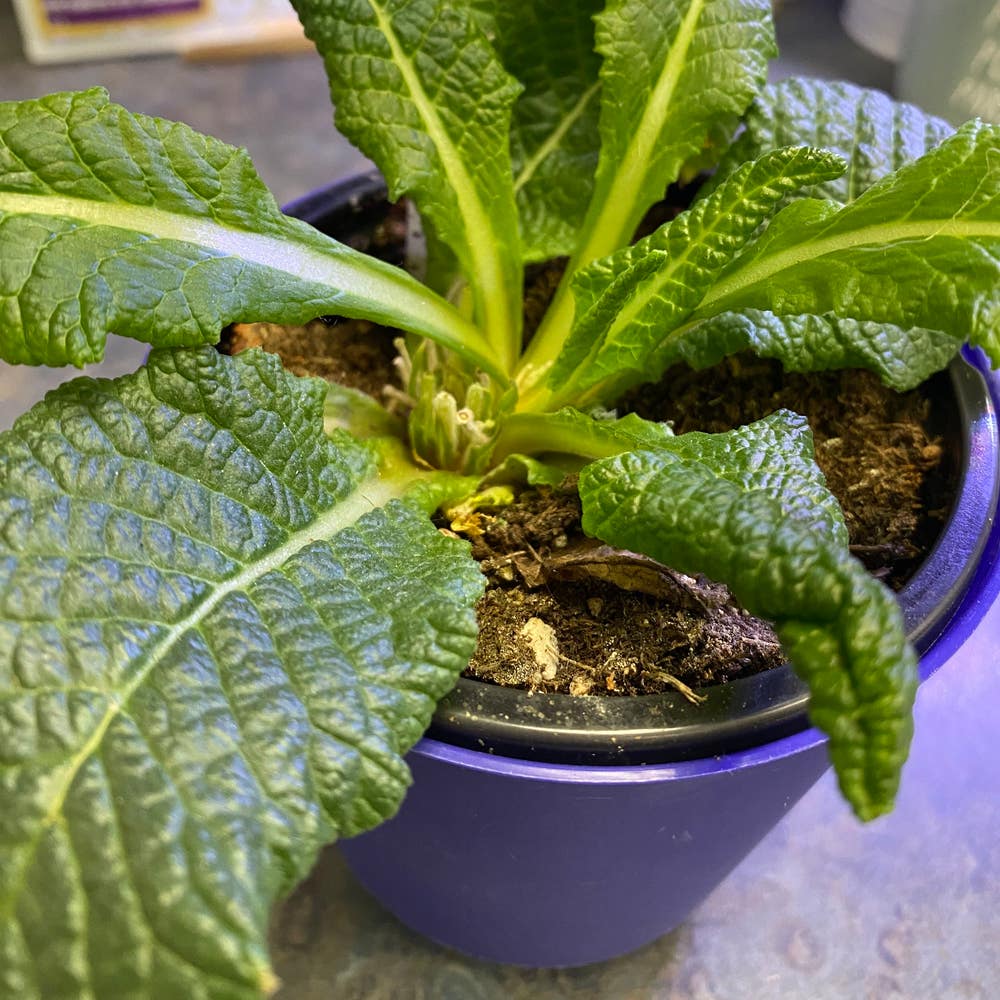
🌼 Good Temperature Range for Your Primrose
Primula spp.
By the Greg Editorial Team
Aug 24, 2024•2 min read
This article was created with the help of AI so we can cover more plants for you. May contain errors. See one? Report it here.
- 🌡️ Primroses thrive between 50°F and 65°F for optimal growth and blooming.
- ❄️ Temperatures below 50°F risk frost damage; above 65°F causes wilting and stress.
- 🌱 Monitor temperature regularly to prevent wilting, discoloration, and stunted growth.
Temperature Needs of Primrose
🌡️ Ideal Temperature Range
Primroses thrive best in a temperature range of 50°F to 65°F (10°C to 18°C). Maintaining this optimal temperature is crucial for their healthy growth and vibrant blooming.
🌡️ Effects of Temperature Variations
Temperature fluctuations can significantly impact Primrose health.
Effects of Temperatures Below 50°F (10°C)
When temperatures drop below 50°F, Primroses face risks such as frost damage and delayed blooming.
Effects of Temperatures Above 65°F (18°C)
Conversely, temperatures exceeding 65°F can lead to wilting and stress, ultimately reducing flowering.
🚨 Signs of Temperature Stress
Recognizing the signs of temperature stress is essential for timely intervention.
Wilting Leaves
Wilting manifests as drooping and a limp appearance in leaves. This often results from inadequate temperature regulation.
Leaf Discoloration
Yellowing or browning leaves are clear symptoms of stress due to temperature extremes. This discoloration indicates that your Primrose is struggling.
Stunted Growth
Stunted growth is characterized by reduced height and leaf development. This condition arises when Primroses cannot thrive in unsuitable temperatures.
🔍 Causes of Temperature Stress
Understanding the causes of temperature stress can help you protect your Primroses.
Sudden Temperature Drops
Sudden drops in temperature can shock Primroses, leading to potential damage. It's wise to have protective measures in place for unexpected cold snaps.
Prolonged Heat Exposure
Extended exposure to heat can cause dehydration and wilting in Primroses. Monitoring temperature during heat waves is crucial for their survival.
🛠️ Temperature Management Techniques
Implementing effective temperature management techniques can safeguard your Primroses.
Strategies for Maintaining Optimal Temperature
Regularly monitor local temperature conditions to ensure your Primroses remain in their ideal range. Adjusting care based on seasonal changes is equally important.
Use of Protective Coverings
Utilizing frost cloths and row covers can provide essential protection. Follow best practices for applying and removing these coverings to maximize their effectiveness.
Shade Solutions for Extreme Heat
Creating shade using garden structures or shade cloths can help mitigate heat stress. Timing your shade application is key to preventing damage during extreme heat.
By understanding and managing the temperature needs of your Primroses, you can ensure they flourish beautifully. Next, let’s explore the signs of temperature stress in more detail.
⚠️ Safety First
This content is for general information and may contain errors, omissions, or outdated details. It is not medical, veterinary advice, or an endorsement of therapeutic claims.
Always consult a qualified healthcare professional before using any plant as food, medicine, or supplement.
Never eat any plant (or feed one to pets) without confirming its identity with at least two trusted sources.
If you suspect poisoning, call Poison Control (800) 222-1222, the Pet Poison Helpline (800) 213-6680, or your local emergency service immediately.
Spotted an error? Please report it here.
Keep your Primroses blooming beautifully 🌼 by using Greg's tailored reminders to maintain their ideal temperature range of 50°F to 65°F!