🌼 Key Stages in the Life of a Primrose
Primula spp.
By the Greg Editorial Team
Oct 18, 2024•6 min read
This article was created with the help of AI so we can cover more plants for you. May contain errors. See one? Report it here.
- 🌱 Primrose seeds germinate in 14 to 30 days under optimal conditions.
- 🌼 Flowering occurs in early spring, lasting several weeks and attracting pollinators.
- 🌞 Primroses thrive in partial shade to full sun, needing care as they mature.
Germination Stage
🌱 Duration of Germination
Germination is a crucial first step in the life of a primrose. Typically, it takes about 14 to 30 days for seeds to sprout and begin their journey.
🌡️ Conditions for Successful Germination
To ensure successful germination, specific conditions must be met.
Optimal Temperature
The ideal temperature range is between 15°C to 20°C (59°F to 68°F). This warmth encourages the seeds to wake up and start growing.
Soil Requirements
Primrose seeds thrive in well-draining, moist soil with a pH of 6.0 to 7.0. This balance provides the nutrients they need without drowning them.
💡 Light Exposure
Light is essential for germination; seeds require it to sprout. Surface sowing is recommended to maximize light exposure, giving those tiny seeds the best chance to flourish.
Understanding these conditions can significantly enhance your success in growing primroses. With the right environment, you’ll be well on your way to nurturing these beautiful plants.
Next, we’ll explore the seedling stage, where the primrose begins to take shape.
Seedling Stage
🌱 Characteristics of Seedlings
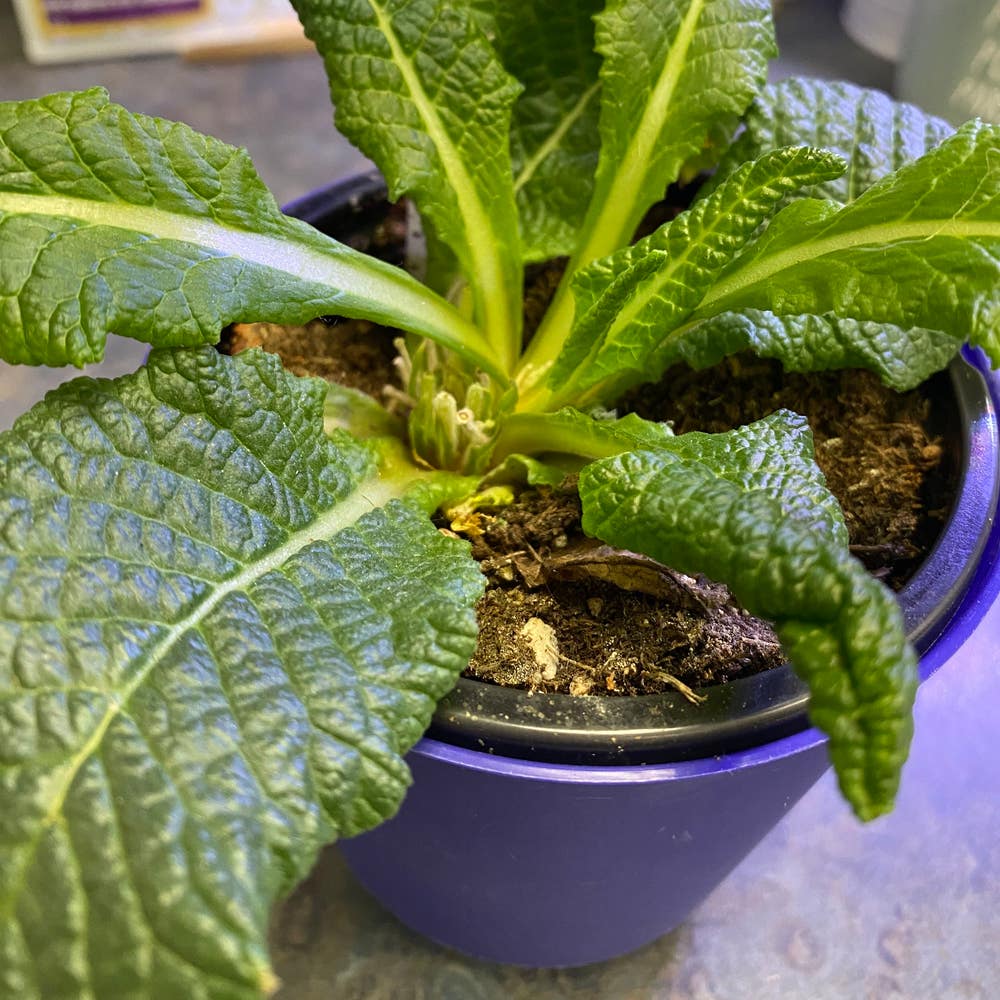
The seedling stage is an exciting time for primrose plants. You'll notice small, tender leaves forming a rosette, which is a hallmark of healthy growth.
Bright green leaves indicate that your seedlings are thriving. This vibrant color is a sign of vitality and readiness to grow.
⏳ Duration of the Seedling Stage
This stage typically lasts about 4 to 6 weeks. After this period, the seedlings will transition into the vegetative growth stage, setting the foundation for future development.
As you nurture your seedlings, keep an eye on their growth. This is a crucial time that will influence their overall health and flowering potential.
With the right care, your primrose will soon flourish into a robust plant, ready to take on the next stages of its life cycle.
Vegetative Growth Stage
Description of Vegetative Growth 🌱
During the vegetative growth stage, primroses develop a rosette of leaves. These leaves not only increase in size but also multiply, creating a lush, green base for the plant.
Growth Habit 🌿
Primroses exhibit a low-growing, spreading habit. This characteristic allows them to cover ground efficiently, making them a delightful addition to any garden.
Duration and Conditions for Optimal Growth ⏳
The vegetative growth stage lasts approximately 6 to 12 months. The duration largely depends on environmental conditions, so keep an eye on your garden's specifics.
Ideal Conditions ☀️
For optimal growth, primroses thrive in partial shade to full sun. Consistent moisture and nutrient-rich soil are essential to support their development and ensure vibrant foliage.
As your primrose transitions through these stages, understanding its needs will help you cultivate a thriving plant. Next, we’ll explore the flowering stage, where your primrose will truly shine.
Flowering Stage
Timing of Flowering 🌸
Primroses typically burst into bloom in early spring, around March to April. This flowering period can last several weeks, influenced by the specific variety and environmental conditions.
Changes in the Plant During Flowering 🌼
As the flowering stage unfolds, you'll notice the emergence of brightly colored flowers. These blossoms can range from vibrant yellows to soft pinks and whites, creating a stunning display.
Pollination plays a vital role during this time. Primroses attract various pollinators, which are essential for successful seed production. This interaction not only supports the plant's lifecycle but also contributes to the surrounding ecosystem.
In summary, the flowering stage is a vibrant and crucial part of a primrose's life. It not only showcases the plant's beauty but also sets the stage for future generations.
Next, we will explore the seed production stage, where the magic of pollination leads to the formation of seeds.
Seed Production Stage
Process of Seed Production 🌱
Primrose plants have a fascinating approach to reproduction. They can either self-pollinate or engage in cross-pollination with neighboring plants, ensuring genetic diversity.
After the flowering phase, seed pods begin to form. These pods contain small seeds, which are crucial for the next generation of primroses.
Duration and Conditions for Seed Production ⏳
The seed production process typically takes about 4 to 6 weeks after flowering. During this time, the plant requires adequate moisture and nutrients to support seed development.
Providing the right conditions is essential for successful seed formation. Ensure the soil remains moist and nutrient-rich to help the seeds thrive.
As we explore the life cycle of the primrose, it's clear that each stage plays a vital role in its growth and survival. Next, we'll delve into how long it takes for a primrose to reach full maturity and the factors that influence its growth rate.
Growth Rate and Maturation
How Long Until Primrose is Fully Grown? 🌱
Primrose plants take about 1 to 2 years to reach their full size and flowering potential. This timeline allows them to develop robust structures and vibrant blooms.
Factors Affecting Growth Rate 🌡️
Several factors influence how quickly primroses grow.
- Environmental Factors: Light, temperature, soil quality, and moisture levels play crucial roles.
- Care Practices: Regular fertilization and appropriate watering frequency can significantly boost growth.
Comparison of Growth Rates Among Different Primrose Varieties 📊
Not all primrose varieties grow at the same pace.
- Faster-Growing Varieties: Some types, like the Primula vulgaris, can mature more quickly, often blooming within the first year.
- Slower-Growing Varieties: Others, such as Primula sieboldii, may take longer to establish and flower, requiring patience from the gardener.
Understanding these differences can help you choose the right variety for your garden's timeline.
As you nurture your primrose, keep in mind the importance of environmental conditions and care practices. This knowledge will guide you toward a thriving, colorful display in your garden.
Notable Changes Throughout Life
🌱 Physical Changes During Each Growth Stage
The life of a primrose is marked by distinct physical transformations.
Germination: Tiny sprouts break through the soil, signaling the start of life.
Seedling: As the plant matures, it develops a rosette shape, showcasing its tender leaves.
Vegetative: Leaf size and color evolve, with vibrant greens indicating healthy growth.
Flowering: Finally, the plant bursts into life with brightly colored flowers, adding beauty to any garden.
💧 Changes in Care Needs as the Plant Matures
As primroses grow, their care requirements shift significantly.
Watering Frequency: Young seedlings need consistent moisture, but as they mature, the frequency can be adjusted based on environmental conditions.
Nutrient Requirements: During the flowering stage, primroses demand more nutrients to support their vibrant blooms.
🌍 Environmental Adaptations During Different Life Stages
Primroses are incredibly adaptable, thriving in various habitats.
Adaptability: They adjust their growth based on available resources, making them resilient in diverse environments.
Resilience: These plants can survive in temperate climates and adapt to varying soil conditions, showcasing their robust nature.
Understanding these notable changes not only enhances your gardening skills but also deepens your appreciation for the resilience of nature. Next, we’ll explore how growth rates and maturation times can vary among different primrose varieties.
⚠️ Safety First
This content is for general information and may contain errors, omissions, or outdated details. It is not medical, veterinary advice, or an endorsement of therapeutic claims.
Always consult a qualified healthcare professional before using any plant as food, medicine, or supplement.
Never eat any plant (or feed one to pets) without confirming its identity with at least two trusted sources.
If you suspect poisoning, call Poison Control (800) 222-1222, the Pet Poison Helpline (800) 213-6680, or your local emergency service immediately.
Spotted an error? Please report it here.
Nurture your primroses from seed to bloom with Greg's tailored care reminders 🌱, ensuring they thrive beautifully through every stage of their life cycle!