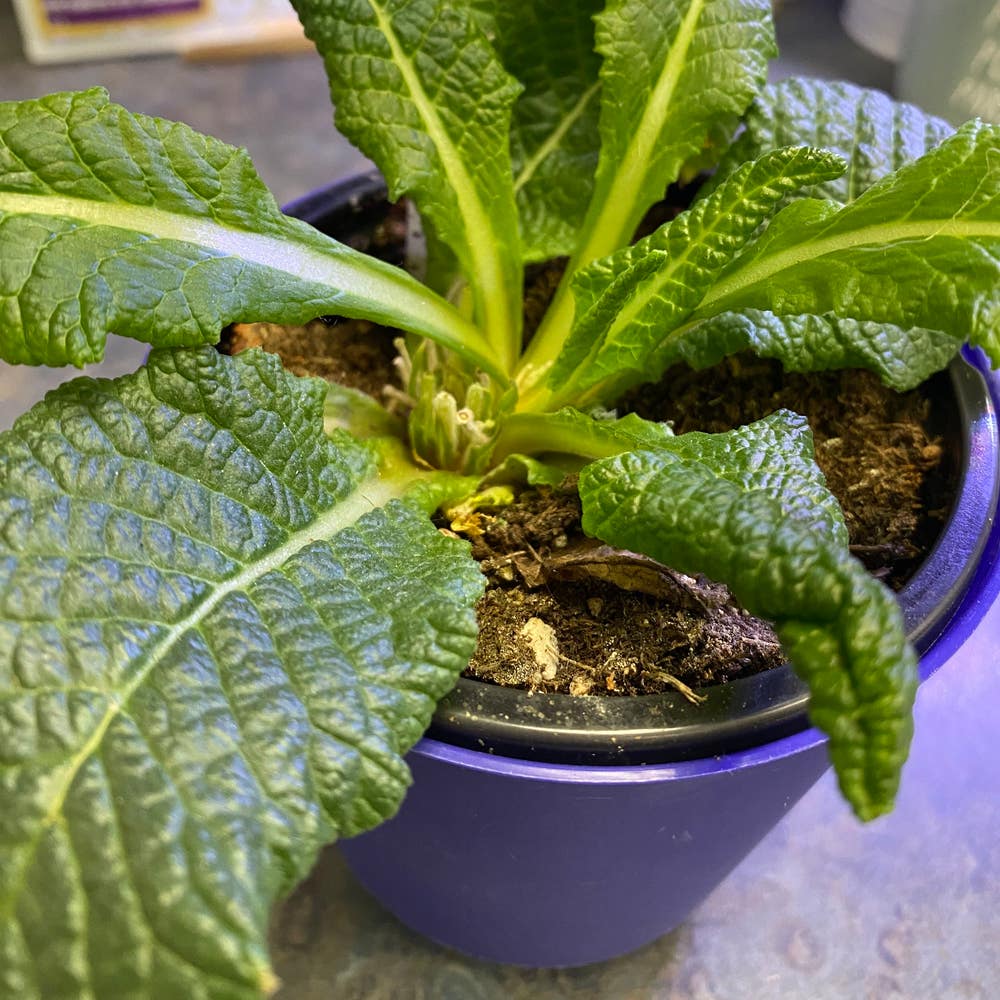
Ultimate Guide to Soil for Primrose 🌸
Primula spp.
By the Greg Editorial Team
Aug 24, 2024•2 min read
This article was created with the help of AI so we can cover more plants for you. May contain errors. See one? Report it here.
- 🌱 Primrose thrives in well-draining, nutrient-rich soil like loamy or peat-based mixes.
- 💧 Proper drainage prevents root rot; check for mold and foul odors in soil.
- 🛠️ Regular soil testing and maintenance ensure healthy growth for your Primrose plants.
Soil Requirements for Primrose
🌱 Ideal Soil Composition
For thriving Primrose plants, well-draining, nutrient-rich soil is a must. The best soil types include loamy soil enriched with organic matter and peat-based mixes that help retain moisture.
🚰 Importance of Drainage
Primrose is particularly sensitive to waterlogged conditions, making proper drainage crucial to prevent root rot. Look for signs of good drainage, such as soil that dries out between waterings and the absence of standing water in pots or garden beds.
🕵️♂️ Identifying Unhealthy Soil
Signs of Unhealthy Soil
Unhealthy soil can manifest in several ways. Moldy soil may show white or gray mold on the surface and emit a foul odor, indicating decay.
Soil compaction is another red flag. If the surface feels hard and crusty, or if water struggles to infiltrate, your soil may be compacted.
How to Test Soil Health
Testing soil health is straightforward. You can use pH test kits available at garden centers or conduct a simple home test with vinegar and baking soda.
To assess moisture levels, stick your finger into the soil. It should feel moist but not soggy, indicating a healthy balance.
🧪 Creating a Homemade Soil Mix
Ingredients for a Homemade Mix
Creating your own soil mix is easy and effective. Start with 50% potting soil or loamy soil, add 30% peat moss for moisture retention, and include 20% perlite for drainage.
Step-by-Step Guide to Mixing Soil
- Gather your materials: potting soil, peat moss, and perlite.
- In a large container, combine the potting soil and peat moss.
- Gradually mix in the perlite until evenly distributed.
- Check the consistency; it should be light and fluffy, perfect for Primrose.
⚠️ Common Soil Problems and Solutions
Addressing Moldy Soil
Moldy soil often results from overwatering or poor drainage. To remedy this, reduce your watering frequency and improve drainage by adding perlite or sand.
Dealing with Compacted Soil
Compacted soil can stunt growth and hinder water absorption. Aerate the soil using a garden fork or aerator, and mix in organic matter to enhance texture.
With the right soil conditions, your Primrose can flourish beautifully. Next, let’s explore how to maintain optimal soil health for ongoing success.
⚠️ Safety First
This content is for general information and may contain errors, omissions, or outdated details. It is not medical, veterinary advice, or an endorsement of therapeutic claims.
Always consult a qualified healthcare professional before using any plant as food, medicine, or supplement.
Never eat any plant (or feed one to pets) without confirming its identity with at least two trusted sources.
If you suspect poisoning, call Poison Control (800) 222-1222, the Pet Poison Helpline (800) 213-6680, or your local emergency service immediately.
Spotted an error? Please report it here.
Create thriving soil for your Primrose 🌼 with Greg's tailored tips and reminders, ensuring your plants bloom beautifully and grow strong!