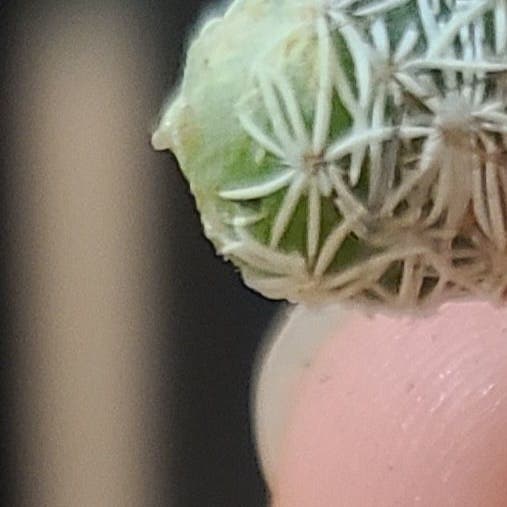
🌵 Ultimate Guide for When to Plant Chihuahuan Beehive Cactus
Coryphantha echinus
By the Greg Editorial Team
Sep 29, 2024•4 min read
This article was created with the help of AI so we can cover more plants for you. May contain errors. See one? Report it here.
Ensure vibrant cactus growth 🌵 by mastering planting timing and avoiding frost damage! 🌞
- 🌡️ Know frost dates to plant Chihuahuan Beehive Cactus safely and successfully.
- 🌱 Ideal soil temperature for planting is between 70°F and 85°F (21°C to 29°C).
- 📅 Regional climates dictate optimal planting months; adjust based on local conditions.
Timing for Planting
🌨️ Importance of Frost Dates
Understanding frost dates is crucial for successful planting. The last frost date in spring and the first frost date in fall dictate when it's safe to plant your Chihuahuan Beehive Cactus.
Planting too early can expose your cactus to frost, risking damage or even death. To find local frost dates, consult resources like the USDA Plant Hardiness Zone Map or your local agricultural extension office.
📅 Calculating Safe Planting Times
A general rule of thumb is to plant after the last frost date. For instance, in Florida, the last frost typically occurs in late March, while in Colorado, it can be as late as mid-June.
🌡️ Ideal Soil Temperature for Planting
The optimal soil temperature for planting your cactus ranges from 70°F to 85°F (21°C to 29°C). This temperature range is essential for germination and healthy root development.
To check soil temperature, use a soil thermometer. Timing is also crucial; consider your local climate when assessing when to plant.
🌞 Timing Planting Based on Day Length
Photoperiod plays a significant role in plant growth and flowering. The Chihuahuan Beehive Cactus blooms from late spring to early summer, making it vital to align planting times with increasing day length.
For example, in California, early April is ideal for planting, while in Ohio, late May offers longer daylight hours for optimal growth.
🌍 Regional Planting Considerations
Here are some ideal planting months based on regional climates:
| Region | Ideal Planting Month | Notes |
|---|---|---|
| Florida | April | Warm temperatures, minimal frost risk |
| California | March | Mild climate, suitable soil temperatures |
| Texas | April | Consistent warmth, low frost risk |
| New York | June | Late frost risk, warmer soil temperatures |
| Colorado | June | Late spring frost, soil warming |
| Ohio | June | Frost-free period, optimal soil conditions |
🌱 Seed Starting Techniques
When it comes to seed starting, you have two main options: indoor seed starting and direct sowing.
Indoor Seed Starting
- Benefits: Offers a controlled environment for earlier growth.
- Recommended Timing: Start 6-8 weeks before the last frost.
Direct Sowing
- Benefits: Allows for natural acclimatization and less transplant shock.
- Recommended Timing: Plant after the last frost date.
Aligning your seed starting with local climate conditions is essential. For example, in Florida, start seeds indoors in late January, while in Colorado, late March is ideal.
📋 Comprehensive Planting Guide
To simplify your planting schedule, here’s a quick overview of ideal planting months across the U.S.:
- Florida: April
- California: March
- Texas: April
- New York: June
- Colorado: June
- Ohio: June
In summary, keep in mind the key factors for successful planting: frost dates, soil temperature, and day length. Regional considerations are vital for ensuring optimal growth conditions for your Chihuahuan Beehive Cactus.
With this knowledge, you're well-equipped to make informed planting decisions. Next, let’s dive into seed starting techniques to give your cactus the best start possible!
⚠️ Safety First
This content is for general information and may contain errors, omissions, or outdated details. It is not medical, veterinary advice, or an endorsement of therapeutic claims.
Always consult a qualified healthcare professional before using any plant as food, medicine, or supplement.
Never eat any plant (or feed one to pets) without confirming its identity with at least two trusted sources.
If you suspect poisoning, call Poison Control (800) 222-1222, the Pet Poison Helpline (800) 213-6680, or your local emergency service immediately.
Spotted an error? Please report it here.
Plant your Chihuahuan Beehive Cactus at the perfect time for thriving blooms 🌵 by using Greg's tailored reminders and resources to navigate frost dates and soil temperatures!