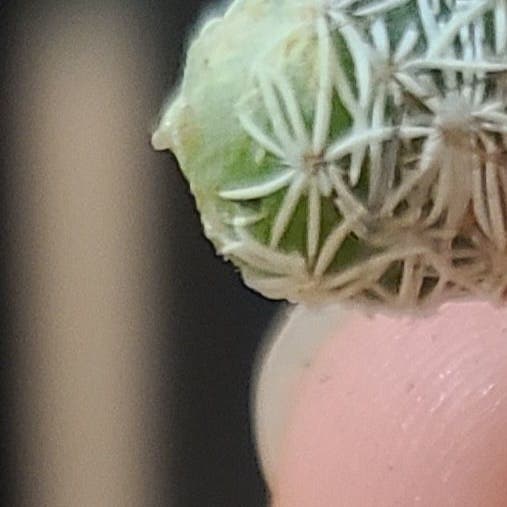
Best Climate for Chihuahuan Beehive Cactus: Zones 8a-10b 🌵
Coryphantha echinus
By the Greg Editorial Team
Sep 29, 2024•5 min read
This article was created with the help of AI so we can cover more plants for you. May contain errors. See one? Report it here.
Master the ideal conditions for thriving Chihuahuan Beehive Cacti 🌵 and watch your garden flourish!
- 🌵 Chihuahuan Beehive Cactus thrives in USDA zones 8a-10b; ideal for cultivation.
- ☀️ Full sun and well-drained soil are crucial for healthy growth and root health.
- ❄️ Cold tolerance is limited; protect from frost during growth periods for best results.
Temperature Tolerance
Cold Tolerance Specifics ❄️
Chihuahuan Beehive Cactus can withstand temperatures as low as 20°F (-6°C). However, frost can be detrimental, particularly during critical growth periods, so it's essential to protect these cacti from freezing conditions.
Heat Tolerance Specifics 🔥
On the flip side, this cactus thrives in extreme heat, tolerating temperatures up to 100°F (38°C) and beyond. Its adaptations, such as water retention and thick skin, help it survive in harsh desert climates.
Ideal Temperature Ranges for Growth 🌡️
For optimal growth, aim for temperatures between 70°F and 90°F (21°C to 32°C). Seasonal variations can impact growth, so understanding local climate patterns is crucial for successful cultivation.
With a solid grasp of temperature tolerances, you can now explore the ideal regions for growing Chihuahuan Beehive Cactus.
Ideal Regions for Growing
Examples of US States in Suitable Zones 🌵
If you're looking to cultivate the Chihuahuan Beehive Cactus, certain states stand out as prime locations. Texas, Arizona, New Mexico, and California are the top contenders, each offering unique environments that support this resilient plant.
In Texas, the western regions, especially around Big Bend, provide the perfect backdrop. Arizona's Sonoran Desert is another hotspot, while New Mexico's high desert areas create an ideal climate. California's southern regions, particularly near the Mojave Desert, also offer favorable conditions.
Factors Contributing to Ideal Growing Conditions ☀️
To thrive, the Chihuahuan Beehive Cactus needs specific growing conditions. First and foremost, soil type plays a crucial role; well-drained, sandy, or rocky soils are essential for preventing root rot.
Sunlight exposure is another critical factor. This cactus loves full sun, so ensure it gets plenty of light throughout the day. Additionally, low annual precipitation is vital; too much moisture can hinder growth and lead to disease.
By understanding these factors, you can create the perfect environment for your Chihuahuan Beehive Cactus to flourish.
As we explore further, let's dive into the microclimates that can enhance your cactus-growing experience.
Microclimates and Their Impact
🌍 Definition and Benefits of Microclimates
A microclimate is a small, localized area with distinct climate conditions that differ from the surrounding environment. Factors like elevation, proximity to water, and urban heat can create these unique climates, offering specific advantages for plants like the Chihuahuan Beehive Cactus.
Microclimates can provide a more stable environment, protecting the cactus from extreme temperature fluctuations. This stability is crucial for its growth, especially during critical periods of development.
🌆 Examples of Beneficial Microclimates
Urban environments often create heat-retaining microclimates. Buildings and pavement absorb and radiate heat, providing a warmer habitat for the Chihuahuan Beehive Cactus.
Additionally, areas with natural windbreaks, such as hills or dense vegetation, can shield the cactus from harsh winds. These sheltered spots can enhance moisture retention and create a more favorable growing environment.
Understanding microclimates can significantly improve your chances of successfully cultivating Chihuahuan Beehive Cactus. With this knowledge, you can identify the best locations for planting and nurturing these resilient plants.
Next, we’ll explore the state-level suitability for growing the Chihuahuan Beehive Cactus, focusing on which regions offer the best conditions for thriving.
State-Level Suitability Analysis
🌵 Suitable States for Chihuahuan Beehive Cactus
The Chihuahuan Beehive Cactus thrives in several states, particularly those within USDA zones 8a to 10b. Key states include:
- Texas: Known for its diverse climates, Texas offers ample sunlight and well-drained soils, making it ideal for cactus growth.
- Arizona: With its arid conditions and high temperatures, Arizona provides the perfect environment for these resilient plants.
- New Mexico: Similar to Arizona, New Mexico features sandy soils and plenty of sunshine, supporting healthy cactus development.
- California: Certain regions, especially in the southern part, have the right conditions for thriving Chihuahuan Beehive Cacti.
- Nevada: The dry climate and rocky terrain create a suitable habitat for these cacti.
- Parts of Florida: While not as common, some areas in Florida's warmer regions can support cactus growth.
These states share characteristics like low humidity, minimal frost risk, and well-drained soils, all essential for the Chihuahuan Beehive Cactus to flourish.
❌ Unsuitable States for Chihuahuan Beehive Cactus
Conversely, several states fall outside the ideal growing zones for the Chihuahuan Beehive Cactus. Notable examples include:
- Maine
- Michigan
- Wisconsin
These states typically reside in USDA zones below 8a. The primary reasons for their unsuitability include colder temperatures that can drop significantly in winter and a higher risk of frost. Such conditions can severely hinder the cactus's growth and survival.
🌦️ Climate Factors Affecting Suitability
Understanding climate factors is crucial for successful cactus cultivation.
- Temperature Extremes: Chihuahuan Beehive Cacti can tolerate a range of temperatures, but extreme highs and lows can stress the plants.
- Frost Dates: Knowing the average frost dates in your area helps in planning when to plant or protect your cactus.
- Annual Rainfall: These cacti prefer low annual precipitation. Excessive moisture can lead to root rot and other issues.
- Humidity Levels: Low humidity is ideal; high humidity can create an environment conducive to disease.
By considering these climate factors, you can better assess whether your location is suitable for growing Chihuahuan Beehive Cacti.
As we explore further, let’s dive into the microclimates that can enhance cactus growth, providing unique advantages in various environments.
⚠️ Safety First
This content is for general information and may contain errors, omissions, or outdated details. It is not medical, veterinary advice, or an endorsement of therapeutic claims.
Always consult a qualified healthcare professional before using any plant as food, medicine, or supplement.
Never eat any plant (or feed one to pets) without confirming its identity with at least two trusted sources.
If you suspect poisoning, call Poison Control (800) 222-1222, the Pet Poison Helpline (800) 213-6680, or your local emergency service immediately.
Spotted an error? Please report it here.
Cultivating a thriving Chihuahuan Beehive Cactus 🌵 is easy with Greg's tailored care tips and reminders, ensuring your cactus gets the perfect climate and soil it craves!