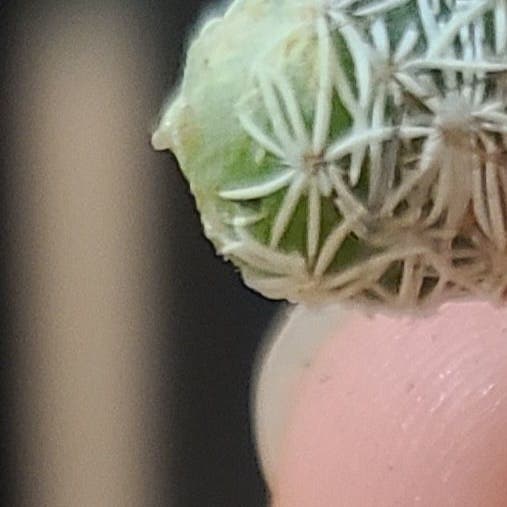
4 Tips for Pollinating Chihuahuan Beehive Cactus 🐝
Coryphantha echinus
By the Greg Editorial Team
Sep 29, 2024•6 min read
This article was created with the help of AI so we can cover more plants for you. May contain errors. See one? Report it here.
Unlock the secrets to thriving Chihuahuan Beehive Cacti and their essential pollinators! 🌼🌵
- 🌼 Chihuahuan Beehive Cactus attracts bees, butterflies, and hummingbirds with vibrant flowers.
- 🌱 Self-pollination ensures reproduction even in arid conditions, while cross-pollination boosts diversity.
- 🐝 Creating a pollinator-friendly garden enhances cactus health and supports local ecosystems.
Flower Structure
Description of Characteristics 🌸
The Chihuahuan Beehive Cactus boasts tubular and vibrant flowers that are a sight to behold. These flowers come in various colors, including pink, yellow, and orange, depending on the cultivar.
The arrangement of these clustered flowers on top of the cactus enhances their visibility to pollinators. This strategic positioning makes it easier for bees, butterflies, and hummingbirds to spot them from a distance.
Role in Pollination 🐝
The tubular shape of the flowers is specifically designed to attract certain pollinator species. This unique structure allows for efficient access to nectar, which is a key incentive for pollinators.
The arrangement of petals, sepals, stamens, and pistils is meticulously crafted to facilitate effective pollen transfer. These adaptations support both self-pollination and cross-pollination, ensuring the cactus can reproduce even in challenging environments.
Understanding these characteristics is crucial for anyone interested in cultivating or conserving the Chihuahuan Beehive Cactus. With the right knowledge, you can help ensure that these beautiful plants thrive and continue to attract their essential pollinators.
Next, we’ll explore the fascinating pollination process that keeps this cactus flourishing.
Pollination Process
Self-Pollination and Benefits 🌵
The Chihuahuan Beehive Cactus has a remarkable ability to self-pollinate. This adaptation is crucial in arid environments where pollinator presence can be sporadic.
Self-pollination ensures that the cactus can reproduce even when conditions are less than ideal. It allows for the production of seeds without relying on external pollinators, which can be a game-changer in dry climates.
Cross-Pollination: Primary Pollinators and Attraction Methods 🐝
While self-pollination is effective, cross-pollination enhances genetic diversity. The primary pollinators for the Chihuahuan Beehive Cactus include bees, butterflies, and hummingbirds.
To attract these vital pollinators, the cactus employs several strategies. Its vibrant colors and sweet nectar serve as beacons, while pleasant scents draw in curious insects and birds alike.
By understanding these processes, you can appreciate the intricate relationships between the cactus and its pollinators. This knowledge sets the stage for exploring natural pollination methods next.
Natural Pollination
🌼 Mechanisms of Pollen Transfer
Pollination in the Chihuahuan Beehive Cactus is a fascinating dance between nature and the environment. Pollinators like bees, butterflies, and hummingbirds play a crucial role in transferring pollen from the male stamens to the female pistils.
These pollinators are attracted to the cactus's vibrant flowers, which serve as beacons in the arid landscape. As they feed on nectar, they inadvertently pick up pollen and carry it to other flowers, ensuring effective pollen transfer.
🌡️ Environmental Factors
Temperature and humidity significantly influence this natural process. Optimal conditions enhance pollinator activity, making it easier for them to navigate and locate flowers.
When temperatures are mild and humidity levels are appropriate, pollinators are more likely to thrive, increasing the chances of successful pollination. Conversely, extreme weather can hinder their activity, impacting the cactus's reproductive success.
🌱 Importance for Reproduction and Genetic Diversity
Pollination is vital for the reproduction of the Chihuahuan Beehive Cactus. Successful pollination leads to fruit development, which contains seeds for the next generation.
Genetic diversity is equally important. It enhances the resilience of cacti, allowing them to adapt to changing environmental conditions. A diverse gene pool strengthens the population, making it more robust against diseases and climate fluctuations.
In summary, natural pollination not only supports the life cycle of the Chihuahuan Beehive Cactus but also contributes to the broader ecosystem's health. Understanding these processes can inspire us to protect and nurture these remarkable plants.
As we delve deeper into the topic, let's explore the art of hand pollination and how it can further support these beautiful cacti.
Hand Pollination
Hand pollination can be a rewarding way to ensure your Chihuahuan Beehive Cactus thrives. Follow these straightforward steps for successful pollination.
🌸 Step 1: Identifying Male and Female Flower Parts
First, you need to distinguish between the male and female parts of the flower. The male parts are the stamens, which produce pollen, while the female part is the pistil, designed to receive that pollen.
🌼 Step 2: Collecting Pollen
Next, gather pollen from the stamens. A small brush or cotton swab works perfectly for this task, allowing you to collect just the right amount without damaging the flower.
🌿 Step 3: Transferring Pollen
Once you have the pollen, it’s time to transfer it. Gently apply the pollen to the stigma of the pistil, ensuring good contact for effective fertilization.
⏰ Step 4: Timing for Optimal Results
Timing is crucial for hand pollination. Aim to perform this task during the peak blooming hours, typically in the morning when flowers are most receptive.
🍏 Step 5: Ensuring Successful Fertilization
After pollination, keep an eye on your cactus. Monitor for fruit development, which indicates successful fertilization and a healthy reproductive process.
Hand pollination not only boosts your cactus's chances of producing fruit but also deepens your connection to this fascinating plant. Next, let’s explore how to support pollinators in your garden, enhancing the overall ecosystem.
Supporting Pollinators
🌼 Creating a Pollinator-Friendly Environment
Designing a garden that attracts pollinators is both rewarding and essential for the health of your Chihuahuan Beehive Cactus. Start by incorporating native plants, as they provide the best food sources for local pollinators.
Ensure your garden has accessible water sources, like shallow dishes or birdbaths, to keep pollinators hydrated. Additionally, create shelter spots using rocks, logs, or dense foliage to offer safe havens for these vital creatures.
🌿 Companion Plants
Companion planting can significantly enhance pollinator activity in your garden. Consider adding flowering herbs such as basil, lavender, or thyme, which not only attract bees but also enrich your culinary adventures.
Native wildflowers, like coneflowers or black-eyed Susans, are excellent choices as well. They bloom at various times, ensuring a continuous food supply for pollinators throughout the growing season.
By fostering a diverse and inviting environment, you can support the pollinators that play a crucial role in the health of your Chihuahuan Beehive Cactus. This not only aids in successful pollination but also contributes to a vibrant ecosystem.
As we explore the challenges faced by pollinators, understanding how to mitigate these obstacles will further enhance your gardening efforts.
Pollination Challenges
Common Obstacles 🌵
Pollination can be a tricky business for the Chihuahuan Beehive Cactus. Environmental factors like extreme temperatures, low humidity, and drought conditions can severely impact the cactus's ability to attract and sustain pollinators.
Additionally, seasonal variations can lead to a lack of pollinators. When bees, butterflies, and hummingbirds are scarce, the cactus struggles to reproduce effectively.
Solutions for Overcoming Challenges 🌼
Fortunately, there are strategies to improve pollinator presence. Planting diverse flora not only attracts a variety of pollinators but also creates a more resilient ecosystem.
Managing environmental conditions is equally crucial. Providing shade and moisture can help support cactus health and enhance reproduction, ensuring these vibrant plants continue to thrive in challenging climates.
By taking these steps, you can create a more inviting environment for pollinators, boosting the chances of successful pollination for your Chihuahuan Beehive Cactus.
⚠️ Safety First
This content is for general information and may contain errors, omissions, or outdated details. It is not medical, veterinary advice, or an endorsement of therapeutic claims.
Always consult a qualified healthcare professional before using any plant as food, medicine, or supplement.
Never eat any plant (or feed one to pets) without confirming its identity with at least two trusted sources.
If you suspect poisoning, call Poison Control (800) 222-1222, the Pet Poison Helpline (800) 213-6680, or your local emergency service immediately.
Spotted an error? Please report it here.
Boost your Chihuahuan Beehive Cactus's pollination success 🌵 with Greg's expert tips and reminders, ensuring it thrives while attracting the perfect pollinators!