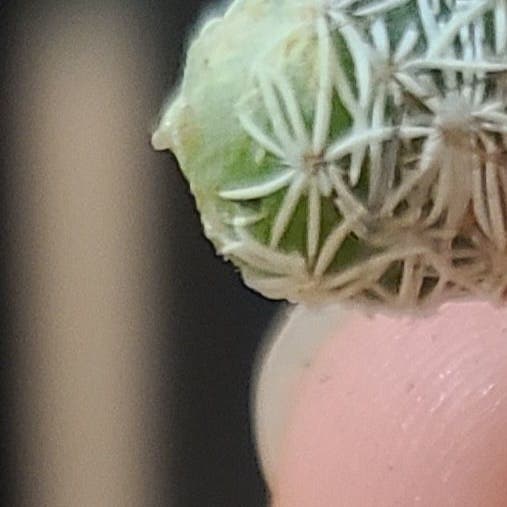
Best Soil for Your Chihuahuan Beehive Cactus 🌵
Coryphantha echinus
By the Greg Editorial Team
Sep 29, 2024•5 min read
This article was created with the help of AI so we can cover more plants for you. May contain errors. See one? Report it here.
Revitalize your Chihuahuan beehive cactus with essential soil care tips! 🌵
- 🌱 Healthy soil is crucial—look for mold and odors to assess quality.
- 💧 Test moisture levels using your finger or a meter to avoid overwatering.
- 🏺 Ideal soil mix: 50% coarse sand, 25% perlite, 25% organic matter for drainage.
Identifying Unhealthy Soil
Signs of Unhealthy Soil 🌱
Recognizing unhealthy soil is crucial for the well-being of your Chihuahuan beehive cactus. Look for common indicators of poor soil health:
- Mold: If you see white or fuzzy growth on the soil surface, it’s a clear sign of trouble.
- Compactness: Soil that feels hard and doesn’t crumble easily can suffocate roots.
- Odor: A sour or rotten smell indicates anaerobic conditions, which can be detrimental to your cactus.
How to Test Soil Moisture Levels 💧
Assessing soil moisture is essential to avoid overwatering. Here are two effective techniques:
- Finger Test: Insert your finger into the soil up to the second knuckle. If it feels wet, skip watering for now.
- Soil Moisture Meter: This handy tool provides a precise reading of moisture levels, ensuring your cactus gets just the right amount of water.
By keeping an eye on these signs and testing moisture levels, you can maintain a healthy environment for your cactus. Next, let’s explore how to resolve any unhealthy soil issues you might encounter.
Resolving Unhealthy Soil Issues
🦠 Solutions for Moldy Soil
Mold can be a pesky problem for your Chihuahuan beehive cactus. To tackle it effectively, start by removing any visible mold using a clean spoon or tool.
Next, allow the soil to dry out completely. If the mold persists, it’s time to repot your cactus in fresh, dry soil to give it a fighting chance.
🌬️ Improving Drainage and Aeration
Good drainage and aeration are crucial for cactus health. One effective technique is to add perlite or pumice to your existing soil mix, enhancing its ability to drain excess water.
Also, ensure that your pots have drainage holes. This simple step prevents water accumulation, which can lead to root rot and other issues.
By addressing these soil concerns, you set the stage for a thriving cactus. With the right care, your Chihuahuan beehive cactus can flourish in its environment.
Recommended Soil pH Range
Ideal pH Levels for Cacti 🌵
For your Chihuahuan beehive cactus, the ideal soil pH range is between 6.0 and 7.0. This slightly acidic to neutral pH is crucial for optimal nutrient uptake and overall plant health.
Importance of pH for Nutrient Uptake 📈
Maintaining the right pH level ensures your cactus can absorb essential nutrients effectively. If the pH strays too far from this range, your cactus may struggle to thrive.
How to Measure Soil pH 📏
To accurately measure soil pH, you can use a pH meter or a soil test kit. These tools provide precise readings, helping you make informed decisions about soil amendments.
Regular Monitoring 🔍
Regularly checking your soil's pH can prevent potential issues before they arise. Keeping your cactus in the right pH range is a simple yet effective way to promote its health and growth.
Understanding soil pH is just one piece of the puzzle. Next, let’s explore how to create a homemade soil mix tailored for your cactus.
Creating a Homemade Soil Mix ((difficulty:easy))
Step-by-Step Guide to Making Cactus Soil 🌵
Creating the perfect soil mix for your Chihuahuan beehive cactus is straightforward. Start by gathering your materials: coarse sand, perlite, and organic matter like peat.
Next, mix the ingredients in a container. The ideal ratio is 2 parts sand, 1 part perlite, and 1 part organic matter.
Finally, ensure the mixture is well-blended and free of clumps. This will provide the right texture and drainage for your cactus.
Recommended Ratios of Ingredients 📏
For optimal results, aim for specific ingredient ratios. A good guideline is to use 50% coarse sand, 25% perlite, and 25% organic matter.
These ratios can be adjusted based on your local climate and humidity levels. If you live in a more humid area, consider increasing the perlite to enhance drainage.
With the right mix, your cactus will thrive, showcasing its vibrant beauty. Now that you have your soil ready, let’s explore soil amendments and enhancements to further boost its quality.
Soil Amendments and Enhancements
Best Amendments for Improving Soil Quality 🌱
To boost the health of your Chihuahuan beehive cactus, consider adding specific soil amendments.
- Pumice: This lightweight volcanic rock enhances aeration and drainage, allowing roots to breathe and preventing waterlogging.
- Gravel: Adding gravel not only provides extra weight but also improves drainage, ensuring your cactus thrives in a well-draining environment.
When and How to Amend Soil for Optimal Growth ⏰
Timing is crucial when it comes to soil amendments.
- During Repotting: This is the perfect opportunity to mix in amendments, ensuring your cactus has the best possible foundation.
- Signs of Poor Drainage: If you notice water pooling or slow drainage, it’s time to act.
For application, you can either mix amendments directly into the existing soil or layer them at the bottom of the pot. This approach helps create a drainage layer that keeps your cactus happy and healthy.
With the right amendments, your cactus will flourish, setting the stage for a vibrant display. Next, let’s explore how to create a homemade soil mix tailored to your cactus's needs.
⚠️ Safety First
This content is for general information and may contain errors, omissions, or outdated details. It is not medical, veterinary advice, or an endorsement of therapeutic claims.
Always consult a qualified healthcare professional before using any plant as food, medicine, or supplement.
Never eat any plant (or feed one to pets) without confirming its identity with at least two trusted sources.
If you suspect poisoning, call Poison Control (800) 222-1222, the Pet Poison Helpline (800) 213-6680, or your local emergency service immediately.
Spotted an error? Please report it here.
Keep your Chihuahuan beehive cactus thriving 🌱 by using Greg's tailored tips to monitor soil moisture and pH, ensuring it gets the perfect environment for growth!