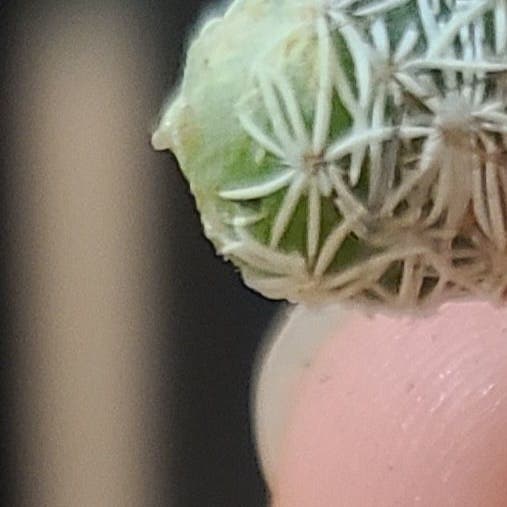
7 Winter Threats to Your Chihuahuan Beehive Cactus 🐝
Coryphantha echinus
By the Greg Editorial Team
Sep 29, 2024•4 min read
This article was created with the help of AI so we can cover more plants for you. May contain errors. See one? Report it here.
Ensure your Chihuahuan beehive cactus 🌵 thrives all winter long with these essential care tips for cold months!
- ❄️ Water Chihuahuan beehive cacti every 4-6 weeks during winter to prevent root rot.
- 🌡️ Protect from frost by covering or relocating indoors during cold nights.
- 🌱 Resume fertilization in spring to support new growth after winter dormancy.
Winter Care Requirements
Adjusting watering schedules 🌵
During winter, it's crucial to adjust your watering schedule for your Chihuahuan beehive cactus. Reduce watering to once every 4-6 weeks to align with its dormant state.
To ensure your cactus is getting the right amount of moisture, check that the soil is completely dry before watering again. Overwatering can lead to root rot, which is a significant risk during dormancy.
Fertilizing practices for winter months ❄️
When it comes to fertilization, the general rule is to avoid it during the cactus's dormancy. However, if you notice any signs of growth, feel free to use a diluted, balanced fertilizer to support that development.
Timing is key; resume your fertilization routine in early spring as the cactus begins to wake up and grow again. This approach will help your cactus thrive as the seasons change.
With these winter care practices in place, your cactus will be well-prepared to face the colder months. Next, let’s explore how to protect your cactus from frost damage.
Protection from Frost
🌨️ Methods for Frost Protection
Frost can be a real threat to your Chihuahuan beehive cactus. To keep your plants safe, consider covering them with frost cloths or blankets during particularly cold nights.
If your cactus is in a pot, relocating it to a sheltered area or even indoors during frost warnings is a smart move. Additionally, applying a layer of gravel or mulch around the base can help insulate the roots and provide extra protection.
🥶 Signs of Frost Damage and How to Address Them
Recognizing frost damage early can save your cactus. Look for symptoms like discoloration, a mushy texture, or blackened areas on the plant.
If you spot these signs, act quickly. Remove the affected areas using clean tools to prevent further damage. For long-term care, keep an eye on the cactus for signs of recovery and adjust your watering schedule accordingly.
By taking these precautions, you can help your cactus thrive through the winter months. Now, let’s explore how to care for your cactus indoors during the colder season.
Indoor Winter Care
Transitioning to Indoor Care 🌱
Timing is crucial when moving your Chihuahuan beehive cactus indoors. Aim to bring it inside before the first frost hits to avoid any cold damage.
Acclimatization is key for a smooth transition. Gradually introduce your cactus to indoor conditions over a week to help it adjust without shock.
Optimal Indoor Conditions for Winter ☀️
Light is essential for your cactus's health. It thrives in bright, indirect sunlight, so consider using grow lights if natural light is insufficient.
Temperature plays a significant role in winter care. Maintain a cozy range between 60°F to 75°F (15°C to 24°C) to keep your cactus happy.
Humidity control is vital to prevent rot. Keep humidity low, and if necessary, use a dehumidifier to create the perfect environment.
By following these guidelines, you can ensure your cactus remains healthy and vibrant throughout the winter months. Next, let’s explore how to prepare for spring and assess any winter damage.
Spring Preparation and Recovery
Assessing Winter Damage in Spring 🌨️
As spring arrives, it's time to inspect your Chihuahuan beehive cactus for any winter damage. Look for signs of frost damage or rot, such as discoloration or mushy areas.
Identifying healthy versus damaged sections is crucial. Healthy areas will appear firm and vibrant, while damaged parts may show distress.
Steps for Recovery and Rejuvenation 🌱
Once you've assessed the damage, it's time to take action. Start by pruning away any dead or damaged sections; this encourages new growth and helps the cactus thrive.
Next, adjust your watering schedule. Gradually increase watering as temperatures rise, ensuring the soil dries out completely between sessions.
Finally, it's time to fertilize. Begin a regular fertilization schedule to support recovery, using a balanced fertilizer to give your cactus the nutrients it needs.
With these steps, your Chihuahuan beehive cactus can bounce back beautifully, ready to flourish in the warmer months ahead. Transitioning to the next topic, let’s explore how cold hardiness and geographic factors play a role in your cactus care.
Cold Hardiness and Geographic Considerations
Understanding Cold Hardiness Zones 🌡️
Chihuahuan beehive cacti thrive in USDA cold hardiness zones 8-11. Knowing your zone is crucial for tailoring care to your local climate.
Geographic Factors Affecting Winter Care 🏜️
These cacti are native to the Chihuahuan Desert, which means they are adapted to specific environmental conditions. Understanding regional climate variations helps you adjust care based on local frost patterns and temperatures.
By recognizing these factors, you can better protect your cactus during winter months. This knowledge empowers you to create a nurturing environment that supports its health and growth.
As we move forward, let's explore how to assess winter damage in spring and ensure your cactus is ready for the warmer months ahead.
⚠️ Safety First
This content is for general information and may contain errors, omissions, or outdated details. It is not medical, veterinary advice, or an endorsement of therapeutic claims.
Always consult a qualified healthcare professional before using any plant as food, medicine, or supplement.
Never eat any plant (or feed one to pets) without confirming its identity with at least two trusted sources.
If you suspect poisoning, call Poison Control (800) 222-1222, the Pet Poison Helpline (800) 213-6680, or your local emergency service immediately.
Spotted an error? Please report it here.
Keep your Chihuahuan beehive cactus thriving this winter ❄️ with Greg's tailored watering reminders and expert care tips that ensure it stays healthy and happy all season long!