🌵 How Long a Chihuahuan Beehive Cactus Lives
Coryphantha echinus
By the Greg Editorial Team
Sep 29, 2024•5 min read
This article was created with the help of AI so we can cover more plants for you. May contain errors. See one? Report it here.
Master the art of nurturing a Chihuahuan beehive cactus 🌵 and witness its stunning transformation through every life stage!
- 🌱 Chihuahuan beehive cacti live 30 to 50 years under optimal conditions.
- 🌞 Germination requires 2 to 4 weeks with specific temperature and light needs.
- 🌼 Flowering occurs after 5 to 10 years, vital for seed production and adaptation.
Germination Stage
Duration of Germination 🌱
The germination period for a Chihuahuan beehive cactus typically spans 2 to 4 weeks. However, this timeframe can vary based on several factors.
Factors Affecting Germination Time 🌡️
Temperature plays a crucial role, with an optimal range of 70°F to 85°F being ideal for sprouting. Additionally, maintaining consistent moisture levels is vital; the soil should be moist but never waterlogged.
Conditions Required for Successful Germination 🌵
For successful germination, the cactus requires well-draining sandy or rocky soil. This type of soil prevents water accumulation, which can lead to rot.
Light Exposure ☀️
Providing indirect sunlight is essential during this stage. Direct sunlight can cause overheating, hindering the germination process.
Understanding these conditions can significantly enhance your chances of successfully germinating a Chihuahuan beehive cactus. With the right care, you'll be on your way to nurturing a resilient plant that thrives in its environment.
Next, we’ll explore the seedling stage, where your cactus begins to take shape and grow.
Seedling Stage
Length of the Seedling Stage 🌱
The seedling stage of a Chihuahuan beehive cactus lasts between 1 to 3 years. During this time, the seedlings develop enough strength and size to be transplanted successfully.
Key Characteristics of Seedlings 🌿
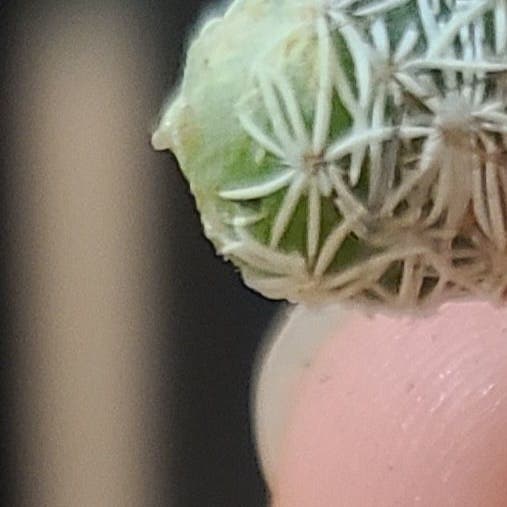
Seedlings typically reach a height of 1 to 3 inches. They have a soft, green, cylindrical appearance, with developing spines that hint at their future resilience.
Environmental Factors Affecting Growth 🌍
Light Requirements ☀️
Bright, indirect sunlight is essential for healthy seedling growth. Too much direct sunlight can scorch these delicate plants.
Watering Practices 💧
Careful watering is crucial to prevent rot. Ensure the soil is moist but not waterlogged, striking a balance that supports growth.
Temperature Preferences 🌡️
Chihuahuan beehive cacti thrive in warm conditions. Maintaining a temperature that aligns with their natural habitat will promote robust growth.
Understanding these factors can significantly enhance your success in nurturing these unique cacti. As they transition from seedlings to mature plants, their journey continues into the vegetative growth stage, where they will further develop their iconic beehive shape.
Vegetative Growth
🌱 Duration of Vegetative Growth
The vegetative growth stage of the Chihuahuan beehive cactus typically lasts between 3 to 10 years. This duration largely depends on the environmental conditions it experiences during this time.
🌵 Changes in Appearance and Structure
As the cactus matures, it develops multiple heads, creating its iconic beehive shape. Over the years, it can grow to impressive sizes, reaching diameters of 12 to 24 inches.
⚡️ Factors Influencing Growth Rate
Several factors can significantly influence the growth rate of your cactus:
Soil Quality
Nutrient-rich, well-draining soil is crucial for promoting faster growth. Poor soil can stunt development and lead to health issues.
Watering Schedule
Infrequent but deep watering is essential. This approach encourages the roots to grow deeper, enhancing the plant's resilience.
Temperature and Light Exposure
Optimal temperature and light conditions are vital for maximum growth. Bright, indirect sunlight combined with warm temperatures creates the perfect environment for thriving.
Understanding these aspects of vegetative growth can help you nurture your Chihuahuan beehive cactus effectively. As it transitions into the flowering stage, the care you provide will play a crucial role in its overall health and productivity.
Flowering Stage
Timing of Flowering 🌸
The flowering period for the Chihuahuan beehive cactus typically spans from spring to early summer. You can expect the first blooms to appear after 5 to 10 years of growth, marking a significant milestone in its life cycle.
Description of Flowers and Pollination 🐝
These cacti produce large, vibrant flowers that can be yellow, pink, or red, creating a stunning display. They attract various pollinators, including bees and other insects, which play a crucial role in the cactus's reproduction.
Role of Flowering in the Reproductive Cycle 🌱
Flowering is essential for seed production, allowing the cactus to propagate and ensure its survival. Additionally, this stage contributes to genetic diversity, which is vital for adapting to changing environmental conditions.
As we explore the next stage, we'll delve into seed production and the overall lifespan of this remarkable cactus.
Seed Production and Lifespan
Duration of Seed Production 🌱
After flowering, the Chihuahuan beehive cactus enters its seed production phase, which lasts about 1-2 months. This period is crucial, as successful pollination and favorable environmental conditions significantly influence the number of seeds produced.
Overall Lifespan ⏳
Under optimal conditions, these resilient cacti can live for several decades, typically ranging from 30 to 50 years. Their longevity is a testament to their adaptability and strength in various environments.
Notable Changes Throughout Life 🌼
The growth rate of the Chihuahuan beehive cactus is generally slow, with most significant changes occurring during flowering and seed production. As they mature, they develop multiple heads, enhancing their unique beehive appearance and increasing their resilience to environmental stressors.
Understanding the life cycle of the Chihuahuan beehive cactus not only highlights its beauty but also emphasizes the importance of nurturing these remarkable plants. As we transition to the next section, we’ll explore the fascinating flowering stage and its role in the cactus's reproductive cycle.
⚠️ Safety First
This content is for general information and may contain errors, omissions, or outdated details. It is not medical, veterinary advice, or an endorsement of therapeutic claims.
Always consult a qualified healthcare professional before using any plant as food, medicine, or supplement.
Never eat any plant (or feed one to pets) without confirming its identity with at least two trusted sources.
If you suspect poisoning, call Poison Control (800) 222-1222, the Pet Poison Helpline (800) 213-6680, or your local emergency service immediately.
Spotted an error? Please report it here.
Nurturing your Chihuahuan beehive cactus for decades of beauty 🌵 is a breeze with Greg's tailored watering reminders and growth tips that ensure your plant thrives at every stage!