Best Tips for Blooming Chihuahuan Beehive Cactus 🌵
Coryphantha echinus
By the Greg Editorial Team
Sep 29, 2024•5 min read
This article was created with the help of AI so we can cover more plants for you. May contain errors. See one? Report it here.
Uncover the stunning allure of the Chihuahuan Beehive Cactus, blooming or not! 🌵
- 🌼 Chihuahuan Beehive Cactus blooms in vibrant yellow, orange, and red flowers.
- 🌞 Ensure 6 hours of sunlight daily to encourage blooming and vibrant growth.
- 🐝 Insects are essential for pollination, boosting the cactus's flowering process.
Flowering Status
🌸 Does the Chihuahuan Beehive Cactus Produce Flowers?
Yes, the Chihuahuan Beehive Cactus does produce flowers, adding a burst of color to its unique structure. These vibrant blooms are a delightful surprise for gardeners who cultivate this cactus.
🚫 Reasons for Non-Flowering
However, some plants may not flower, often leading to disappointment. This cactus is sometimes grown primarily for its striking foliage and ornamental features, making its lack of flowers less of a concern for many enthusiasts.
In fact, the Chihuahuan Beehive Cactus showcases a fascinating shape and texture that can stand alone as a stunning addition to any garden. Whether it blooms or not, its resilience and beauty remain captivating.
Understanding its flowering status helps you appreciate the plant's unique characteristics, whether you're drawn to its flowers or its form.
If It Flowers
🌼 Flower Characteristics
Description of Colors and Structure
The Chihuahuan Beehive Cactus showcases vibrant flowers in hues of yellow, orange, and red. These small, tubular blooms emerge from the top, creating a stunning visual display.
Self-Pollination vs. External Pollination
This cactus primarily relies on external pollination rather than self-pollination. Insects play a crucial role, along with environmental factors, in facilitating this process.
🌸 Blooming Process
Stages of Blooming
The blooming journey begins with initial bud formation, typically appearing as small, tight clusters. As the buds mature, they transition into full, vibrant blooms.
Typical Bloom Time and Duration from Bud to Full Bloom
Expect to see flowers from late spring to early summer. The duration from bud formation to full bloom usually spans 2 to 4 weeks.
Lifespan of Flowers
Once in full bloom, flowers typically last for about 1 to 2 weeks. This brief period adds to their allure, making each bloom a special event.
🌱 Encouraging Blooms
Tips for Promoting Flowering
To encourage flowering, ensure your cactus receives full sun exposure for at least 6 hours daily. Additionally, allow the soil to dry out between waterings and use a low-nitrogen fertilizer during the growing season.
Factors Influencing Blooms
Environmental conditions such as temperature, humidity, and soil quality significantly influence blooming. Seasonal changes also play a role, impacting the cactus's flowering cycles.
🌿 Post-Flowering
What Happens After Flowering
After blooming, the Chihuahuan Beehive Cactus enters a recovery phase, regaining strength and vitality. You may notice changes in its appearance, often becoming more robust.
Discussion on Plant Mortality Post-Bloom
Contrary to some beliefs, the Chihuahuan Beehive Cactus does not die after flowering. It continues to thrive, dispelling the myth of the "death bloom."
🐝 Pollination
Methods of Pollination
Natural pollination primarily involves bees and other pollinators, which are essential for successful reproduction. If needed, hand pollination can be performed using simple techniques to ensure the cactus produces seeds.
With these insights into the flowering process of the Chihuahuan Beehive Cactus, you can appreciate its beauty and care requirements even more. Next, let’s explore what happens if it doesn’t flower.
If It Doesn't Flower
🌼 Primary Ornamental or Functional Features
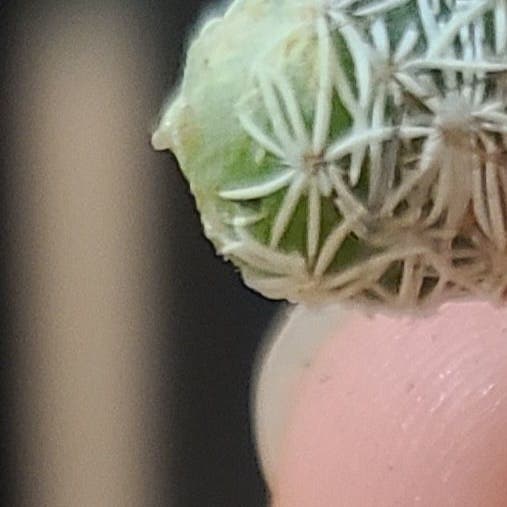
The Chihuahuan Beehive Cactus is a stunning addition to any garden, even without its flowers. Its unique shape, with a rounded, beehive-like structure, adds visual interest, while its textured surface and dense spines create a striking contrast against other plants.
This cactus is not just about looks; it’s also functional. Its exceptional drought resistance makes it perfect for xeriscaping, allowing it to thrive in arid environments while conserving water. This resilience is a key reason many gardeners choose it, even when blooms are absent.
🌱 Reproductive Strategies Without Flowers
Even without flowers, the Chihuahuan Beehive Cactus has clever ways to reproduce. It primarily relies on asexual reproduction, producing offsets or pups that sprout from the base of the plant.
These pups can be separated and replanted, allowing the cactus to spread and flourish without the need for flowers. This method ensures that the plant continues to thrive, showcasing its adaptability in various conditions.
In summary, whether it blooms or not, the Chihuahuan Beehive Cactus remains a captivating and resilient choice for any garden enthusiast. Next, let’s explore the unique aspects of this fascinating cactus, including its unusual characteristics and interesting trivia.
Unique Aspects
🌼 Unusual Characteristics Related to Flowering or Non-Flowering
The Chihuahuan Beehive Cactus exhibits fascinating adaptations that influence its flowering behavior. For instance, its ability to thrive in arid environments means it often prioritizes survival over flowering, leading to unique growth patterns.
Environmental conditions play a significant role in its flowering variability. Factors like temperature, light exposure, and soil quality can either encourage or inhibit blooms, making each cactus a unique specimen based on its care and surroundings.
🤔 Interesting Facts or Trivia About Reproductive Strategies
Did you know that the Chihuahuan Beehive Cactus can reproduce without flowers? It often produces offsets, or "pups," that sprout from its base, allowing it to spread even in challenging conditions.
Culturally, this cactus holds significance in its native habitat. Historically, it has been used by local communities for various purposes, showcasing its resilience and adaptability in the face of environmental challenges.
In summary, whether blooming or not, the Chihuahuan Beehive Cactus is a remarkable plant that embodies the beauty of nature's ingenuity. Its unique characteristics and reproductive strategies make it a fascinating subject for both gardening enthusiasts and casual observers alike.
As we delve deeper into the specifics of its flowering process, let's explore how to encourage those beautiful blooms.
⚠️ Safety First
This content is for general information and may contain errors, omissions, or outdated details. It is not medical, veterinary advice, or an endorsement of therapeutic claims.
Always consult a qualified healthcare professional before using any plant as food, medicine, or supplement.
Never eat any plant (or feed one to pets) without confirming its identity with at least two trusted sources.
If you suspect poisoning, call Poison Control (800) 222-1222, the Pet Poison Helpline (800) 213-6680, or your local emergency service immediately.
Spotted an error? Please report it here.
Get your Chihuahuan Beehive Cactus to bloom brilliantly 🌼 with Greg's tailored care reminders and expert tips that ensure it thrives in your home!