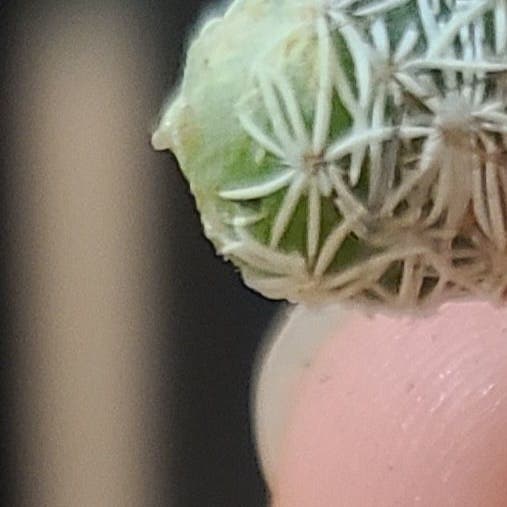
⭐ What is a Spiny Star? Complete Guide
Coryphantha echinus
By the Greg Editorial Team
Jan 28, 2025•13 min read
This article was created with the help of AI so we can cover more plants for you. May contain errors. See one? Report it here.
Elevate your garden effortlessly with the stunning Spiny Star 🌱, a resilient plant that thrives with simple care!
- 🌞 Spiny Star thrives in full sun to partial shade for optimal growth.
- 🌱 Use well-draining sandy loam with a pH of 6.0 to 7.0 for healthy roots.
- 🐝 Attracts pollinators while being low-maintenance and drought-resistant for easy gardening.
How to Grow
🌞 Choosing a Location
Selecting the right location for your Spiny Star is crucial for its growth. Aim for an area that receives full sun to partial shade, ensuring your plant thrives in optimal light conditions.
When deciding between outdoor and container growing, consider the space available and your climate. Container growing offers flexibility, while outdoor planting allows for more natural growth.
🌱 Soil Preparation
Soil quality directly impacts the health of your Spiny Star. Use well-draining sandy loam to promote healthy root development.
Additionally, maintain a soil pH between 6.0 and 7.0, which is slightly acidic to neutral. This balance helps your plant absorb nutrients effectively.
🌼 Planting Techniques
Timing is everything when planting your Spiny Star. The best time to plant is in the spring, after the last frost has passed.
For outdoor planting, ensure you space your plants 12-18 inches apart. This spacing allows for adequate air circulation and growth.
💧 Watering Requirements
Watering your Spiny Star correctly is essential for its health. During dry spells, water your plant weekly to keep the soil moist but not soggy.
Be vigilant for signs of overwatering, such as yellowing leaves, or underwatering, which may cause wilting. Adjust your watering routine accordingly.
🌿 Fertilizing Schedule
To keep your Spiny Star thriving, use a balanced NPK fertilizer, such as 10-10-10. This ensures your plant receives essential nutrients.
Fertilize every 4-6 weeks during the growing season to support robust growth. Consistent feeding will enhance your plant's vitality.
✂️ Pruning Methods
Pruning is an important part of maintaining your Spiny Star. The best time to prune is late winter or early spring, just before new growth begins.
Focus on removing dead or damaged leaves and stems. This encourages healthy growth and improves the plant's overall appearance.
🌻 Ongoing Care
Ongoing care is vital for both container and outdoor Spiny Stars. For container plants, ensure adequate drainage and monitor moisture levels closely.
For outdoor plants, consider mulching to retain moisture and suppress weeds. This simple step can significantly enhance your plant's health and growth.
With these tips, your Spiny Star will flourish, bringing beauty and resilience to your garden. Next, let’s explore how to propagate this unique plant effectively.
Propagation
🌱 Seed Propagation
To start your Spiny Star from seeds, begin with stratification. This process mimics natural conditions and enhances germination rates.
Sow the seeds at a depth of 1/4 inch in a seed-starting mix. This ensures they have the right environment to thrive.
✂️ Cutting Propagation
For cutting propagation, select healthy stems that are 4-6 inches long. This method is straightforward and effective for expanding your collection.
Use a rooting medium like moist potting soil or perlite. This will provide the necessary moisture and aeration for root development.
🌿 Division Propagation
The best time to divide your Spiny Star is during early spring or fall. Timing is crucial for minimizing stress on the plant.
Carefully separate the root clumps and replant them in suitable locations. This method not only propagates new plants but also rejuvenates the parent plant.
With these propagation techniques, you can easily expand your Spiny Star garden. Next, let’s explore the lifecycle of this fascinating plant.
Lifecycle
Lifecycle Stages 🌱
The Spiny Star can be classified as either an annual or perennial plant, depending on the growing conditions. This flexibility allows it to adapt to various environments, making it a versatile choice for gardeners.
Germination Process 🌼
Germination typically occurs within 7 to 14 days when conditions are optimal. Providing warmth and moisture is crucial to kickstart this exciting phase of growth.
Seedling Stage 🌿
Once germinated, the seedling stage lasts about 4 to 6 weeks. During this time, the plant develops its true leaves, signaling that it’s ready for the next growth phase.
Vegetative Growth 🌳
Following the seedling stage, the Spiny Star enters vegetative growth, which lasts around 6 to 8 weeks. This period is vital for establishing a strong foundation before the plant begins to flower.
Flowering and Seed Production 🌸
Flowering occurs from late summer to early fall, showcasing the plant's vibrant blooms. After flowering, the Spiny Star produces seeds, which can be collected for propagation.
Lifespan and Growth Timeline ⏳
In optimal conditions, the Spiny Star has an overall lifespan of about 2 to 3 years. From seed to maturity, you can expect a timeline of approximately 3 to 4 months, making it a rewarding addition to any garden.
This lifecycle overview highlights the Spiny Star's adaptability and growth potential, setting the stage for understanding its care and maintenance. Next, we will explore the various benefits this unique plant brings to your garden.
Size
Mature Height and Spread 🌱
The Spiny Star typically reaches an average mature height of 2 to 3 feet. Its spread usually ranges from 1 to 2 feet, making it a compact yet striking addition to any garden.
Growth Rate and Size Variability 📈
This plant boasts a moderate growth rate, averaging about 12 to 18 inches per year. However, several factors can influence its size, including soil quality, light exposure, and watering practices.
By ensuring optimal conditions, you can help your Spiny Star thrive and reach its full potential. Remember, a little extra care goes a long way in achieving a lush and vibrant plant.
As we explore the next section, we'll dive into the fascinating root system of the Spiny Star and how it supports its growth.
Roots
🌱 Root System Characteristics
The Spiny Star features a fibrous root system, which is essential for its stability and nutrient uptake. This type of root structure allows the plant to efficiently absorb water and nutrients from the soil.
📏 Root Depth and Spread
On average, the roots extend 12-18 inches deep, providing a solid foundation. Additionally, the root spread often reaches beyond the plant's canopy, allowing for better anchorage and resource gathering.
⚠️ Common Root-Related Issues
Root rot is a significant concern for Spiny Stars, often caused by overwatering or poorly draining soil. To prevent this, ensure your plant has adequate drainage and monitor watering habits closely.
Signs of unhealthy roots include discoloration and mushiness, which indicate potential problems. If you notice these symptoms, it’s crucial to act quickly to save your plant.
✅ Identifying Healthy vs. Unhealthy Roots
Healthy roots are typically firm and white, signaling that your Spiny Star is thriving. Regularly check the root system to ensure it remains in good condition.
🪴 Recognizing Rootbound Plants and Solutions
If you see roots growing out of the drainage holes, your plant may be rootbound. This condition can hinder growth and nutrient absorption.
To remedy rootbound plants, consider repotting them into a larger container or performing root pruning. Both methods can help rejuvenate your Spiny Star and promote healthy growth.
As you care for your Spiny Star, understanding its root system will enhance your gardening experience. Next, let’s explore the benefits of this unique plant and why it deserves a spot in your garden.
Benefits
🌟 Top 5 Benefits
Aesthetic Appeal
The Spiny Star boasts unique foliage and an intriguing structure that can elevate the beauty of any garden. Its distinctive look adds character and charm, making it a standout choice for landscape design.
Drought Resistance
One of the most appealing traits of the Spiny Star is its low water requirements. This makes it an excellent option for xeriscaping, allowing gardeners to conserve water while still enjoying vibrant greenery.
Attracts Pollinators
The flowers of the Spiny Star are not just a feast for the eyes; they also attract essential pollinators like bees and butterflies. This benefit enhances biodiversity and supports local ecosystems.
Erosion Control
With a robust root system, the Spiny Star plays a vital role in stabilizing soil. Its roots help prevent erosion, making it a practical choice for gardens on slopes or areas prone to soil loss.
Cultural Significance
Beyond its physical attributes, the Spiny Star holds cultural significance in various traditions. It is often used in symbolic practices, adding a layer of meaning to its presence in gardens.
These benefits make the Spiny Star a fantastic addition to any garden, combining beauty, practicality, and ecological value. As we explore further, you'll discover how to care for and propagate this remarkable plant.
Companion Plants
🌱 Concept of Companion Planting
Companion planting is all about creating a harmonious garden environment. By pairing plants that benefit each other, you can enhance diversity and improve pest management.
🌼 Best Companion Plants
Some excellent companions for the Spiny Star include:
- Marigolds: These vibrant flowers act as natural pest repellents, keeping unwanted insects at bay.
- Lavender: Not only does it add aesthetic appeal, but its fragrance also attracts beneficial pollinators.
🚫 Plants to Avoid
When selecting companions, steer clear of heavy feeders. These plants compete for nutrients, potentially stunting the growth of your Spiny Star.
By choosing the right companions, you can create a thriving garden ecosystem that supports your Spiny Star's growth and health. Next, let’s explore the potential toxicity of the Spiny Star to humans, dogs, and cats.
Toxicity to Humans
The Spiny Star is generally safe for humans, as it is not listed as toxic by major poison control centers. However, it's wise to be aware of potential minor issues, such as mild skin irritation or digestive discomfort if consumed in large quantities.
⚠️ Caution and Care
Always exercise caution when handling any plant. If you experience unusual symptoms after contact or consumption, seek medical advice promptly. Staying informed helps ensure a safe and enjoyable gardening experience!
Toxicity to Dogs
The Spiny Star is not listed as toxic by major pet poison control centers, making it a safe choice for dog owners. However, it's important to note that excessive consumption may lead to mild gastrointestinal upset.
🐶 Tips for Dog Owners
To ensure your furry friends stay safe, consider the following tips:
- Proper Placement: Position your Spiny Star in areas that are less accessible to your dog.
- Monitoring Behavior: Keep an eye on your dog's interactions with the plant to prevent any unwanted nibbling.
By taking these precautions, you can enjoy the beauty of the Spiny Star while keeping your canine companions healthy and happy.
Next, let’s explore how this plant interacts with our feline friends!
Toxicity to Cats
The Spiny Star is not listed as toxic by major pet poison control centers, making it a safe choice for cat owners. However, it's important to note that excessive consumption can lead to mild gastrointestinal upset.
🐾 Monitoring Cat Behavior
To ensure your feline friends stay safe, consider the placement of your Spiny Star. Keep it out of reach or in areas where your cats don’t typically roam.
🌱 Tips for Safe Gardening
- Observe: Watch your cats around the plant to gauge their interest.
- Educate: Teach your cats to avoid the plant if they show curiosity.
- Redirect: Provide alternative plants or toys to keep them engaged.
By taking these precautions, you can enjoy your Spiny Star while keeping your cats healthy and happy. Now, let’s explore the potential problems that can arise when growing this unique plant.
Problems
Common Problems 🌱
Growing Spiny Stars can be rewarding, but they come with their own set of challenges. Here are the most common problems you might encounter:
Incorrect Watering
Overwatering can lead to root rot, while underwatering causes wilting. Look for yellowing leaves as a sign of overwatering and crispy, dry edges for underwatering.
Incorrect Light Conditions
Spiny Stars thrive in full sun to partial shade. If you notice leggy growth or pale leaves, your plant may not be getting enough light.
Diseases
Fungal diseases like powdery mildew and blight can affect your plant's health. Watch for white powdery spots or dark patches on leaves as indicators.
Root Problems
Healthy roots are crucial for growth. Signs of root rot include mushy roots and a foul smell, indicating it's time to take action.
Leaf Issues
Scorching and yellowing leaves can signal stress. If your leaves are dropping or becoming leggy, it’s time to reassess your care routine.
Identifying Symptoms and Causes 🔍
Understanding the symptoms is key to diagnosing issues.
- Overwatering: Look for yellow leaves and a soggy soil texture.
- Underwatering: Check for wilting and dry, crispy leaves.
- Insufficient Light: Notice leggy growth and pale foliage.
- Fungal Diseases: Identify white powdery spots or dark patches.
- Root Rot: Smell for a foul odor and inspect for mushy roots.
Solutions for Top 5 Common Issues 🛠️
Now that you know the problems, here are simple solutions:
- Watering: Adjust your watering schedule. Water only when the top inch of soil is dry.
- Light Conditions: Move your plant to a brighter location if it’s leggy or pale.
- Diseases: Remove affected leaves and apply a fungicide if necessary.
- Root Problems: If you suspect root rot, repot your plant in fresh, well-draining soil.
- Leaf Issues: Regularly check for pests and adjust your watering to prevent stress.
By staying vigilant and addressing these common issues promptly, you can ensure your Spiny Star thrives beautifully. Next, let’s explore the fascinating world of pests that may threaten your plant’s health.
Bugs
🐜 Potential Pest Issues
Pests can be a real headache for your Spiny Star. While these plants are generally resilient, they can still fall prey to a few common nuisances.
🔍 Identification of Pests
Keep an eye out for spider mites, aphids, and mealybugs. Each of these pests has distinct characteristics that can help you spot them early.
- Spider Mites: Tiny and often invisible to the naked eye, they leave fine webbing on leaves.
- Aphids: Small, soft-bodied insects that cluster on new growth, often green or black.
- Mealybugs: White, cottony masses that cling to stems and leaves, indicating a potential infestation.
⚠️ Damage Caused by Pests
Understanding the damage these pests can inflict is crucial for timely intervention.
- Spider Mites: They suck the sap from leaves, causing yellowing and a stippled appearance.
- Aphids: Their feeding can lead to curled leaves and stunted growth, plus they excrete a sticky substance called honeydew.
- Mealybugs: They weaken the plant by draining nutrients, leading to wilting and potential dieback.
🛠️ Effective Treatment Options
Addressing pest issues promptly can save your Spiny Star from serious harm. Here are some effective treatment options:
- Organic Methods: Introduce beneficial insects like ladybugs or use neem oil to deter pests naturally.
- Chemical Control: In severe cases, insecticidal soaps or sprays can effectively eliminate infestations.
By staying vigilant and acting quickly, you can keep your Spiny Star thriving and beautiful. Next, let’s explore what animals might be eyeing your plant as a snack.
What Eats Spiny Star
🦌 Common Animals
Spiny Star plants can attract a variety of hungry critters. Common visitors include deer, rabbits, and squirrels, all of which may find the plant's foliage appealing.
🕵️♂️ Signs of Animal Presence
To determine if animals are munching on your Spiny Star, look for specific signs. Tracks, droppings, and noticeable physical damage to the plant can indicate their presence.
🐾 Types of Damage Caused
Each animal leaves its mark in different ways. Deer often strip leaves and stems, while rabbits tend to nibble at the base. Squirrels might chew on the plant, causing irregular holes and damage.
🚫 Deterrent Methods
Protecting your Spiny Star from these pests can be achieved through various methods. Consider using chemical repellents or organic options like garlic spray to keep them at bay.
By staying vigilant and employing these deterrents, you can help ensure your Spiny Star thrives despite the local wildlife.
⚠️ Safety First
This content is for general information and may contain errors, omissions, or outdated details. It is not medical, veterinary advice, or an endorsement of therapeutic claims.
Always consult a qualified healthcare professional before using any plant as food, medicine, or supplement.
Never eat any plant (or feed one to pets) without confirming its identity with at least two trusted sources.
If you suspect poisoning, call Poison Control (800) 222-1222, the Pet Poison Helpline (800) 213-6680, or your local emergency service immediately.
Spotted an error? Please report it here.
Nurture your Spiny Star to bloom brilliantly 🌟 by using Greg's tailored care reminders and expert tips for optimal growth in your garden!