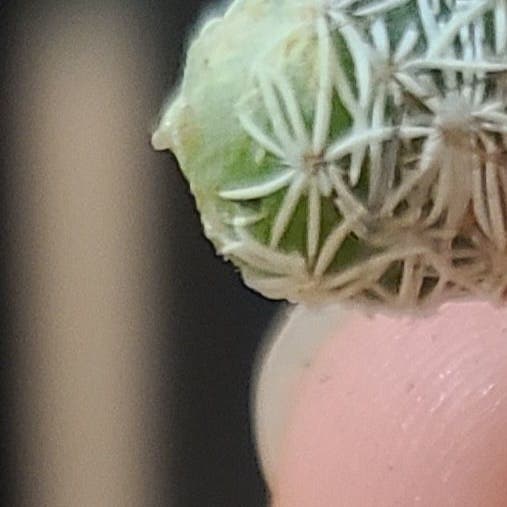
🌵 Propagating Chihuahuan Beehive Cactus: The Ultimate Guide
Coryphantha echinus
By the Greg Editorial Team
Sep 29, 2024•5 min read
This article was created with the help of AI so we can cover more plants for you. May contain errors. See one? Report it here.
Transform your garden with thriving Chihuahuan Beehive Cacti by mastering these simple propagation techniques! 🌱
- 🌱 Select healthy, mature stems for cuttings, ideally 4-6 inches long in spring.
- 💧 Light misting prevents overwatering; allow soil to dry completely between waterings.
- ☀️ Provide bright, indirect sunlight for thriving cuttings during propagation.
Propagation from Cuttings
🪴 Step-by-step guide for taking cuttings
Taking cuttings from your Chihuahuan Beehive Cactus is a rewarding process. Start by selecting healthy stems; look for mature, robust segments that are free from damage.
You'll need a clean, sharp knife or pruning shears for this task. Aim for cuttings that are 4-6 inches long, and remember that the best time to take these cuttings is in spring or early summer.
✂️ Preparing cuttings for propagation
Once you've taken your cuttings, it's crucial to allow them to callous. Place them in a dry, shaded area for 1-3 days to help prevent rot.
For an extra boost, you can dust the cut ends with rooting hormone, although this step is optional.
🌱 Ideal conditions for rooting cuttings
Creating the right environment is key for successful rooting. Use a well-draining soil mix, such as cactus soil or a combination of sand and perlite.
When it comes to watering, light misting is the way to go. This technique helps avoid overwatering, which can be detrimental to your cactus.
Maintain a temperature range of 70°F to 85°F (21°C to 29°C) for optimal growth. Additionally, ensure your cuttings receive bright, indirect sunlight to thrive.
With these steps, you’re well on your way to propagating your Chihuahuan Beehive Cactus successfully. Next, let’s explore how to propagate from seeds, another exciting method to expand your cactus collection.
Propagation from Seeds
🌱 Collecting and Preparing Seeds
Timing is crucial when collecting seeds from the Chihuahuan Beehive Cactus. Wait until after flowering, ensuring the seeds are mature for the best chances of successful propagation.
Once collected, it's essential to clean the seeds thoroughly. Remove any pulp and rinse them with water to prepare them for planting.
🪴 Soil Mix for Seed Propagation
For optimal growth, use a soil mix that consists of 50% cactus mix and 50% perlite. This combination ensures excellent drainage, which is vital for cactus health.
Aim for a slightly acidic to neutral pH level between 6.0 and 7.0. This pH range supports healthy seed germination and growth.
🌼 Germination Process and Care
Sowing Depth: Lightly press the seeds into the soil surface, ensuring they have good contact with the soil.
Watering Techniques: Use a spray bottle to moisten the soil without saturating it. This gentle approach prevents seed displacement and promotes even moisture.
Germination Time: Expect germination to take about 2-4 weeks under optimal conditions. Patience is key during this exciting phase.
Ideal Temperature: Maintain a temperature range of 75°F to 85°F (24°C to 29°C) for the best results. This warmth encourages robust growth.
With these steps, you're well on your way to successfully propagating Chihuahuan Beehive Cactus from seeds. Next, let’s explore grafting techniques to further enhance your propagation skills.
Grafting Techniques
Step-by-step grafting process 🌱
Grafting can seem daunting, but with the right approach, it’s quite manageable. Here’s a straightforward guide to get you started.
Preparing the rootstock: Begin by cutting the rootstock at an angle. This increases the surface area for a better union with the Chihuahuan Beehive Cactus.
Preparing the Chihuahuan Beehive Cactus: Next, take your cactus and cut the base flat. This ensures a snug fit against the rootstock.
Aligning and securing: Carefully join the two pieces together. Use grafting tape to secure them, ensuring they stay in contact during the healing process.
Healing period: Finally, place the grafted cactus in a shaded area for 1-2 weeks. This allows it to heal and establish a connection with the rootstock.
Best rootstock for Chihuahuan Beehive Cactus 🌵
Choosing the right rootstock is crucial for successful grafting. Look for a rootstock that is fast-growing and compatible with the beehive cactus.
- Characteristics of ideal rootstock: It should not only grow quickly but also support the unique needs of the Chihuahuan Beehive Cactus. This compatibility enhances growth and resilience.
With these techniques, you’re well on your way to mastering grafting. Next, let’s explore common challenges you might face during propagation.
Common Challenges in Propagation
🐛 Pests and Diseases
When propagating Chihuahuan Beehive Cactus, pests like mealybugs and spider mites can become unwelcome guests. Look for white cottony masses or fine webbing on your plants as telltale signs of infestation.
Regular inspection is your best defense. If you spot any pests, using insecticidal soap can help keep them at bay and protect your precious cuttings.
💧 Overwatering and Underwatering Issues
Watering can be tricky, especially for cacti. Overwatering often leads to yellowing stems and a mushy texture, signaling that your plant is drowning.
On the flip side, underwatering results in a wrinkled, shriveled appearance. To maintain a healthy balance, allow the soil to dry out completely between waterings, ensuring your cactus thrives.
By staying vigilant about pests and mastering your watering routine, you'll set the stage for successful propagation. Next, let's explore the essential tools and materials you'll need to make your propagation journey smooth and effective.
Tools and Materials Needed
Essential Tools for Propagation 🌵
To successfully propagate your Chihuahuan Beehive Cactus, you'll need a few essential tools. A sharp knife or pruning shears is crucial for taking clean cuttings without damaging the plant.
Clean pots with drainage holes are a must to prevent waterlogging. A spray bottle will help you water your cuttings gently, ensuring they receive moisture without drowning. If you're considering grafting, having grafting tape and rooting hormone on hand can be beneficial, though the latter is optional.
Recommended Soil and Potting Mixes 🪴
Choosing the right soil mix is vital for healthy cactus growth. A commercially available cactus soil mix works well, but you can also create your own by combining sand, perlite, and peat.
Drainage is key in any potting mix. It ensures that excess water can escape, promoting healthy root development and preventing rot. Remember, a well-draining mix is your cactus's best friend!
With the right tools and materials, you're well on your way to successfully propagating your Chihuahuan Beehive Cactus. Next, let's dive into the propagation methods themselves!
⚠️ Safety First
This content is for general information and may contain errors, omissions, or outdated details. It is not medical, veterinary advice, or an endorsement of therapeutic claims.
Always consult a qualified healthcare professional before using any plant as food, medicine, or supplement.
Never eat any plant (or feed one to pets) without confirming its identity with at least two trusted sources.
If you suspect poisoning, call Poison Control (800) 222-1222, the Pet Poison Helpline (800) 213-6680, or your local emergency service immediately.
Spotted an error? Please report it here.
Propagating your Chihuahuan Beehive Cactus is thrilling 🌱 when you use Greg's tailored tips and reminders to navigate cutting selection and watering, ensuring your plants thrive!