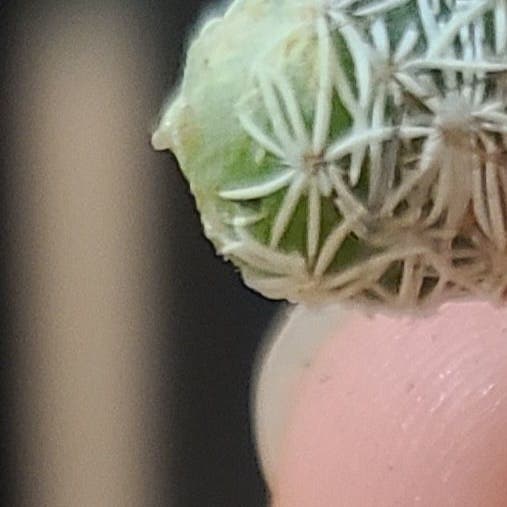
🌵 When and How to Repot Your Chihuahuan Beehive Cactus
Coryphantha echinus
By the Greg Editorial Team
Sep 29, 2024•7 min read
This article was created with the help of AI so we can cover more plants for you. May contain errors. See one? Report it here.
Ensure your cactus thrives 🌵 by mastering the signs for repotting and the steps to do it right!
- 🌱 Root protrusion and stunted growth signal it's time to repot your cactus.
- 🌼 Spring is ideal for repotting, aligning with your cactus's active growth phase.
- 🧤 Gather materials like cactus soil and gloves before starting the repotting process.
Signs That Your Cactus Needs Repotting
🌱 Physical Indicators
Recognizing when your Chihuahuan beehive cactus needs repotting is crucial for its health. One clear sign is root protrusion; if you see roots visibly pushing through the drainage holes, it’s time to act.
Another indicator is stunted growth. If your cactus isn’t showing new growth despite optimal care, it may be root-bound and in need of a larger pot. Lastly, check for soil degradation. If the soil looks compacted or depleted, it’s a signal that your cactus needs fresh soil to thrive.
🌍 Environmental Factors
Environmental cues can also indicate a need for repotting. If you notice water retention, where the soil holds moisture longer than usual, this could lead to root rot.
Additionally, keep an eye out for pest presence. An increase in pests around the plant or in the soil can suggest that your cactus is struggling and may benefit from a new potting environment.
By staying vigilant for these signs, you can ensure your cactus remains healthy and vibrant. Next, let’s explore the best time of year to repot your cactus for optimal results.
Best Time of Year to Repot
Optimal Seasons 🌱
Spring is the prime time for repotting your Chihuahuan beehive cactus. As the cactus awakens from dormancy, it enters its active growth phase, making it more resilient to the stress of repotting.
If you miss the spring window, early summer can also work. Just be cautious; the cactus should still be in its growth period to adapt well.
Timing Considerations ⏰
Avoid repotting during dormancy, which typically spans late fall to winter. During this time, your cactus is resting and less likely to recover from the shock of being moved.
Keep an eye on the temperature as well. Ensure that conditions are consistently above 60°F (15°C) to promote healthy growth and recovery after repotting.
With the right timing, your cactus will thrive in its new home, setting the stage for vibrant growth. Now, let’s explore how to effectively repot your cactus!
Step-by-Step Guide to Repotting Cactus
Repotting your Chihuahuan beehive cactus can seem daunting, but with the right approach, it can be a rewarding experience. Follow these steps to ensure your cactus thrives in its new home.
1. Gather Your Materials 🛠️
Before you start, collect everything you'll need: a new pot, cactus soil mix, gloves, a trowel, and a potting tray. Having these items ready will make the process smoother.
2. Prepare the New Pot 🥣
Make sure your new pot has adequate drainage holes. Choose one that is 1-2 inches larger in diameter than the current pot to give your cactus room to grow.
3. Remove the Cactus from Its Current Pot 🌵
Put on your gloves to protect yourself from the spines. Gently loosen the soil around the roots, then tilt the pot and tap the sides to release the cactus.
4. Inspect the Roots 🔍
Take a close look at the roots. Healthy roots should be white; trim any dead or rotting ones with sterilized scissors to promote growth.
5. Add Soil to the New Pot 🌱
Fill the bottom of the new pot with a layer of cactus soil mix. Position the cactus in the center, ensuring it’s stable.
6. Fill in Around the Roots 🧤
Add more soil mix around the roots, making sure to eliminate any air pockets. Firmly press the soil down, but avoid compacting it too much.
7. Water Lightly 💧
Moisten the soil without soaking it. Allow excess water to drain out to prevent root rot.
Following these steps will help your cactus settle into its new environment. With proper care, it will flourish and continue to bring beauty to your space. Next, let’s explore how to choose the right pot for your cactus.
Choosing the Right Pot
Choosing the right pot for your Chihuahuan beehive cactus is crucial for its health and growth. The material, size, and shape all play significant roles in ensuring your cactus thrives.
🏺 Recommended Pot Materials
Terracotta Pots
Terracotta pots are a popular choice for cacti. They offer excellent drainage and are made from breathable material, allowing air to reach the roots.
However, they can dry out quickly, which may require more frequent watering. Additionally, they are prone to breaking if dropped.
Ceramic Pots
Ceramic pots bring aesthetic appeal to your plant display. They provide good insulation, helping to maintain consistent soil temperatures.
On the downside, ceramic pots are heavier and can retain moisture longer than desired, which might not be ideal for cacti.
Plastic Pots
Plastic pots are lightweight and durable, making them easy to handle. They also retain moisture well, which can be beneficial in certain conditions.
However, if not designed properly, they may have poor drainage, leading to potential root issues.
📏 Importance of Pot Size and Shape
When selecting a pot, size matters. Choose one that allows for growth without providing excessive space, which can lead to water retention issues.
The shape of the pot is equally important. Wider pots encourage lateral root growth, while deeper pots are better suited for taproots. Finding the right balance will help your cactus flourish.
In summary, selecting the right pot involves considering materials, size, and shape. This thoughtful approach sets the stage for a healthy, thriving cactus.
Next, let’s explore the ideal soil and drainage options to complement your pot choice.
Soil and Drainage
Ideal Soil Mix for Cactus 🌵
Choosing the right soil mix is crucial for your Chihuahuan beehive cactus. Aim for a blend of 50% cactus soil mix, 25% perlite, and 25% coarse sand.
This combination ensures excellent drainage and aeration, which are vital for healthy root development. The ideal pH level for this mix should be slightly acidic to neutral, ranging from 6.0 to 7.0.
Importance of Drainage Holes 🚪
Drainage holes are non-negotiable when it comes to potting cacti. They prevent waterlogging, a common culprit behind root rot.
Without proper drainage, your cactus roots can suffocate and decay, leading to a sad, unhealthy plant. Ensuring your pot has adequate drainage is essential for maintaining robust root health.
How to Improve Drainage in Pots 💧
If you want to enhance drainage further, consider a few simple tricks. Start by adding a layer of gravel or coarse sand at the bottom of the pot.
This layer acts as a barrier, allowing excess water to escape while keeping the soil mix in place. Additionally, always opt for a well-draining soil mix specifically designed for cacti to keep your plant thriving.
With the right soil and drainage setup, your cactus will flourish, setting the stage for a vibrant display. Next, let’s explore common repotting mistakes to avoid for optimal cactus care.
Common Repotting Mistakes
🪴 Overpotting vs. Underpotting
Overpotting can be a sneaky trap for cactus owners. When you use a pot that's too large, the excess soil retains moisture, leading to root rot.
On the flip side, underpotting can stunt your cactus's growth. If the roots are cramped, they won't have the space they need to thrive.
🌱 Using the Wrong Soil Mix
Choosing the right soil mix is crucial for your cactus's health. A well-draining cactus soil mix is essential to prevent water retention.
Avoid regular potting soil at all costs; it holds too much moisture and can suffocate your cactus roots.
🚿 Neglecting Drainage Needs
Never underestimate the importance of drainage holes. They are vital for preventing waterlogging, which can lead to serious root issues.
Regularly check for blockages in your pot's drainage system. A little maintenance goes a long way in keeping your cactus happy and healthy.
By avoiding these common mistakes, you can ensure your Chihuahuan beehive cactus thrives in its new home. Next, let’s explore how to choose the right pot for your cactus.
⚠️ Safety First
This content is for general information and may contain errors, omissions, or outdated details. It is not medical, veterinary advice, or an endorsement of therapeutic claims.
Always consult a qualified healthcare professional before using any plant as food, medicine, or supplement.
Never eat any plant (or feed one to pets) without confirming its identity with at least two trusted sources.
If you suspect poisoning, call Poison Control (800) 222-1222, the Pet Poison Helpline (800) 213-6680, or your local emergency service immediately.
Spotted an error? Please report it here.
Ensure your Chihuahuan beehive cactus thrives in its new pot by using Greg's tailored reminders and expert tips for successful repotting! 🌵✨