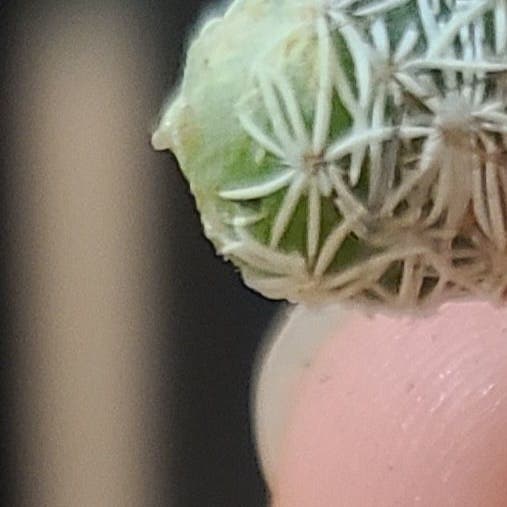
🌵 Ultimate Guide to Root Rot in Chihuahuan Beehive Cactus
Coryphantha echinus
By the Greg Editorial Team
Sep 29, 2024•4 min read
This article was created with the help of AI so we can cover more plants for you. May contain errors. See one? Report it here.
Revive your Chihuahuan beehive cactus from root rot with expert tips for prevention and recovery! 🌵✨
- 🌱 Early identification of root rot prevents serious damage to your Chihuahuan beehive cactus.
- 🧐 Signs include yellowing leaves and soft roots; inspect regularly for health.
- 💧 Use well-draining soil and pots to avoid root rot and promote cactus health.
Identifying Root Rot
Signs and Symptoms 🌱
Recognizing root rot early can save your Chihuahuan beehive cactus from serious damage. Look for yellowing or wilting leaves, which indicate stress in the plant.
Soft, mushy roots are another clear sign of decay. If you notice a foul odor, that's often a symptom of advanced root rot, signaling urgent action is needed.
How to Inspect Roots 🔍
Inspecting the roots is crucial for diagnosis. Start by carefully removing the cactus from its pot.
Examine the root system for discoloration and texture. Healthy roots should be firm and white, while brown, mushy ones indicate rot.
Differentiating from Other Issues 🧐
It's essential to differentiate root rot from other issues. Compare the symptoms of root rot with those of overwatering, as both can cause stress but have different underlying causes.
Additionally, check for pest damage. Signs of pests, like visible insects or webbing, differ from the symptoms of root rot, helping you pinpoint the problem accurately.
Understanding these distinctions will empower you to take the right steps for your cactus's health.
Preventing Root Rot
🌊 Best Practices for Watering
To keep your Chihuahuan beehive cactus thriving, establish a consistent watering schedule. Generally, watering every two to three weeks is ideal, but always adjust based on environmental conditions.
Monitor the soil moisture closely. Stick your finger about an inch into the soil; if it feels dry, it’s time to water. If it’s still moist, wait a bit longer.
🕳️ Importance of Soil Drainage and Pot Selection
Soil drainage is crucial for preventing root rot. Look for a cactus potting mix that contains sand and perlite, which help excess water drain away.
When selecting a pot, choose one with drainage holes. Materials like terracotta are excellent as they allow for airflow, further reducing moisture retention.
🪴 Recommended Potting Mixes
An ideal cactus potting mix should consist of a balanced ratio of sand, perlite, and organic matter. Aim for about 50% sand, 30% perlite, and 20% organic material for optimal drainage.
If you prefer convenience, consider commercial cactus potting mixes. Brands like Miracle-Gro and FoxFarm offer pre-made options that are specifically designed for cacti, ensuring your plant gets the best care possible.
By following these preventive measures, you can significantly reduce the risk of root rot in your cactus. Next, let’s explore how to treat root rot effectively if it does occur.
Treating Root Rot
📝 Step-by-Step Guide
Treating root rot requires careful attention to detail. Start by removing the cactus from its pot and inspecting the roots thoroughly.
Next, trim away any affected roots using sterilized tools. This step is crucial to prevent the spread of decay.
Allow the roots to dry for a few hours before repotting. This drying period helps to minimize the risk of further rot.
🌱 How to Repot
Once the roots are dry, prepare a new pot with fresh, well-draining potting mix. This ensures your cactus has the best chance for recovery.
Position the cactus in the center of the pot and fill in around the roots with the potting mix. Make sure the roots are well-covered but not buried too deeply.
Water lightly to settle the soil, being careful to avoid overwatering. This gentle approach helps the cactus acclimate without overwhelming it.
💊 Recommended Treatments
Consider using fungicides suitable for cacti to combat any lingering issues. Look for active ingredients like thiophanate-methyl or propiconazole.
When applying fungicides, follow the instructions carefully for effective treatment. Proper application can make a significant difference in your cactus's recovery.
With these steps, your cactus can bounce back from root rot and thrive once again. Next, let’s explore how to care for your cactus post-treatment to ensure a successful recovery.
Post-Treatment Care
Care Tips After Treatment 🌱
After treating root rot, it's crucial to approach watering with care. Wait at least a week before watering to allow the roots to heal, then give a light drink to avoid overwhelming the plant.
Adjusting light exposure is equally important. Place your cactus in bright, indirect light to support recovery without stressing it further.
Monitoring Recovery 👀
Keep an eye out for indicators of recovery. New growth, firm roots, and a healthy appearance signal that your cactus is bouncing back.
Regular checks are essential. Inspect your cactus every couple of weeks for any signs of root rot recurrence, ensuring it remains on the path to health.
Long-Term Care Strategies 🛠️
Establishing a consistent watering schedule is vital for long-term success. Aim to water only when the soil is completely dry, adapting to seasonal changes.
Seasonal adjustments in care can make a significant difference. During the growing season, increase light and watering, while reducing both in the dormant months.
Regular soil checks are also crucial. Ensure optimal drainage and moisture levels to keep your cactus thriving and prevent future issues.
With these strategies in place, your Chihuahuan beehive cactus can flourish, bringing joy and beauty to your space.
⚠️ Safety First
This content is for general information and may contain errors, omissions, or outdated details. It is not medical, veterinary advice, or an endorsement of therapeutic claims.
Always consult a qualified healthcare professional before using any plant as food, medicine, or supplement.
Never eat any plant (or feed one to pets) without confirming its identity with at least two trusted sources.
If you suspect poisoning, call Poison Control (800) 222-1222, the Pet Poison Helpline (800) 213-6680, or your local emergency service immediately.
Spotted an error? Please report it here.
Keep your Chihuahuan beehive cactus thriving 🌵 by recognizing root rot early and using Greg's custom watering plans to ensure optimal care!