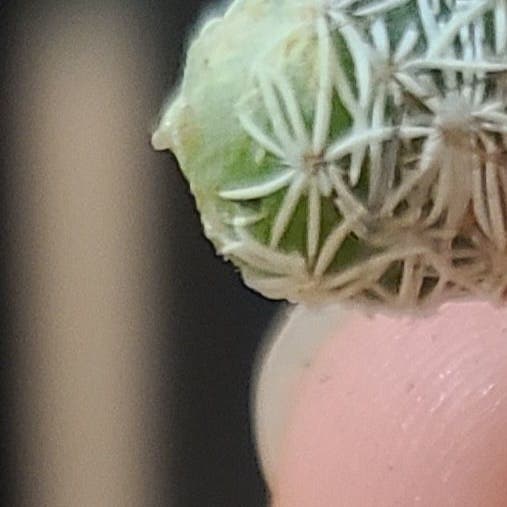
🌵 Top 8 Pot Features Your Chihuahuan Beehive Cactus Will Love
Coryphantha echinus
By the Greg Editorial Team
Sep 29, 2024•3 min read
This article was created with the help of AI so we can cover more plants for you. May contain errors. See one? Report it here.
Unlock vibrant growth for your Chihuahuan Beehive Cactus 🌵 with the right potting choices and care tips! 🌱
- 🌵 Choose the right pot size: 2-10 inches based on cactus growth stage.
- 💧 Drainage is crucial: Ensure pots have holes to prevent overwatering.
- 🏺 Clay vs. plastic pots: Clay promotes airflow; plastic retains moisture but risks root rot.
Pot Selection for Chihuahuan Beehive Cactus
🌱 Pot Size for Growth Stages
Choosing the right pot size is crucial for your Chihuahuan Beehive Cactus at different growth stages.
Seedling Stage
For seedlings, a pot size of 2-4 inches in diameter is ideal. This snug fit helps prevent overwatering, which can be detrimental to young plants.
Juvenile Stage
As your cactus grows into the juvenile stage, opt for a pot size of 4-6 inches in diameter. This allows for root expansion while maintaining stability, ensuring healthy growth.
Mature Stage
In the mature stage, a pot size of 6-10 inches in diameter accommodates the cactus's distinctive shape. This size is essential for supporting its full growth potential.
General Guideline
As a general rule, increase the pot size by 1-2 inches in diameter as your cactus grows. This gradual change helps maintain optimal conditions for root development.
🪴 Ideal Pot Materials
Selecting the right pot material can significantly impact your cactus's health.
Clay Pots
Clay pots are a popular choice due to their porous nature, which allows for airflow to the roots. They also help wick moisture away, reducing the risk of overwatering.
However, keep in mind that clay pots are heavier and may require stable placement. They can dry out faster, necessitating more frequent watering.
Plastic Pots
Plastic pots are lightweight and easy to move, making them convenient for plant care. They retain moisture longer, which can be beneficial in certain conditions.
On the downside, plastic pots are less breathable than clay. This can lead to root rot if overwatered, so ensure they have adequate drainage holes.
🚰 Drainage Considerations
Proper drainage is essential for the health of your cactus.
Importance of Drainage Holes
Drainage holes are crucial for preventing water accumulation at the bottom of the pot. Aim for a minimum size of 1/4 inch diameter holes.
Place multiple holes evenly spaced for optimal drainage. This will help keep your cactus thriving.
Effects of Poor Drainage on Growth
Poor drainage can lead to serious issues. Symptoms of overwatering include yellowing or mushy stems and root rot, which can ultimately lead to plant decline.
In the long term, inadequate drainage can stunt growth and even cause the death of your cactus.
🔄 Repotting Guidelines
Knowing when and how to repot your cactus is vital for its health.
When to Repot
Look for signs indicating the need for repotting. These include roots visible through drainage holes, stunted growth despite proper care, and soil depletion or compaction.
Steps for Choosing the Right Pot
- Assess the current pot size and root health.
- Select a new pot that is 1-2 inches larger in diameter.
- Ensure the new pot has adequate drainage holes.
- Choose the appropriate material based on moisture needs.
⚠️ Common Potting Mistakes
Avoiding common potting mistakes can save your cactus from unnecessary stress.
Overpotting vs. Underpotting
Overpotting can lead to excess soil retaining moisture, resulting in slow growth and root rot.
Conversely, underpotting can cause root-bound conditions, with signs like stunted growth and roots visible through drainage holes.
Ignoring Drainage Needs
Neglecting drainage can have dire consequences. Inadequate drainage leads to root rot and poor cactus health.
Regularly check drainage holes and soil moisture levels to ensure your cactus remains healthy and vibrant.
With these guidelines, you're well-equipped to select the perfect pot for your Chihuahuan Beehive Cactus. Next, let’s explore the best soil types to complement your potting choices!
⚠️ Safety First
This content is for general information and may contain errors, omissions, or outdated details. It is not medical, veterinary advice, or an endorsement of therapeutic claims.
Always consult a qualified healthcare professional before using any plant as food, medicine, or supplement.
Never eat any plant (or feed one to pets) without confirming its identity with at least two trusted sources.
If you suspect poisoning, call Poison Control (800) 222-1222, the Pet Poison Helpline (800) 213-6680, or your local emergency service immediately.
Spotted an error? Please report it here.
Ensure your Chihuahuan Beehive Cactus flourishes with the perfect pot choice 🌵—let Greg guide you with tailored tips for optimal growth and care!