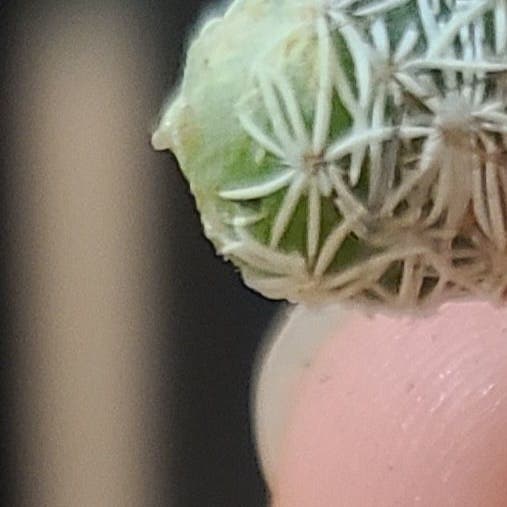
What You Should Know About Sea Urchin Cactus 🌵
Coryphantha echinus
By the Greg Editorial Team
Jan 24, 2025•12 min read
This article was created with the help of AI so we can cover more plants for you. May contain errors. See one? Report it here.
Elevate your garden with the stunning Sea Urchin Cactus, a low-maintenance gem that thrives in any setting! 🌵
- 🌞 Sea Urchin Cactus needs 6+ hours of sunlight daily for optimal growth.
- 🌱 Use well-draining soil with pH 6.0-7.0 for healthy roots.
- 💧 Water only when soil is dry; reduce in winter dormancy.
How to Grow
Choosing a Location 🌞
To thrive, the Sea Urchin Cactus needs full sun exposure for at least six hours daily. Whether you choose to grow it outdoors or in a container, each method has its perks; outdoor growing offers natural conditions, while container gardening allows for mobility and control over soil quality.
Soil Preparation 🏜️
For optimal growth, use a well-draining cactus mix or sandy loam. Aim for a pH level between 6.0 and 7.0, which is slightly acidic to neutral, ensuring your cactus has the right environment to flourish.
Planting Techniques 🌱
When planting, make sure the top of the root ball is level with the soil surface. For outdoor planting, space your Sea Urchin Cacti 12 to 18 inches apart to allow for proper air circulation and growth.
Watering Requirements 🚰
Water your cactus only when the soil has completely dried out. In winter, reduce watering frequency, as the plant enters a dormant phase and requires less moisture.
Fertilizing Schedule 🍽️
During the growing season, use a balanced, diluted cactus fertilizer. Fertilize every 4 to 6 weeks from spring to early fall to support healthy growth.
Pruning Methods ✂️
Pruning is essential for maintaining shape; remove any dead or damaged growth. The best time to prune is early spring, just before new growth begins, ensuring your cactus starts the season strong.
Ongoing Care Tips 🛡️
Keep an eye out for pests and diseases, as early detection is key to maintaining plant health. Adjust your care routine based on seasonal changes to ensure your Sea Urchin Cactus continues to thrive throughout the year.
With these guidelines, you're well on your way to cultivating a healthy Sea Urchin Cactus. Next, let’s explore how to propagate this unique plant for even more growth opportunities.
Propagation
🌱 Seed Propagation
To propagate your Sea Urchin Cactus from seeds, start by sowing them in a well-draining cactus mix. Lightly cover the seeds and maintain humidity to encourage germination, which typically takes 2-4 weeks under optimal conditions.
✂️ Cutting Propagation
For cutting propagation, select healthy cuttings that are 4-6 inches long. Allow the cuttings to callous for a few days before planting them in a rooting medium like cactus mix or perlite to promote healthy root development.
🐾 Offsets and Pups
Offsets, or pups, can be identified when they reach at least 1/3 the size of the parent plant. When removing offsets, ensure they have developed roots before transplanting them to ensure a successful growth transition.
This propagation guide sets you up for success in expanding your Sea Urchin Cactus collection. Next, let’s explore the lifecycle of this fascinating plant to understand its growth stages better.
Lifecycle
🌱 Perennial Nature
The Sea Urchin Cactus is a perennial plant, meaning it lives for more than two years. This longevity allows it to thrive in various conditions, making it a resilient choice for gardeners.
🌡️ Germination Process
Successful germination requires warm temperatures and consistent moisture. These conditions help seeds sprout within a few weeks, setting the stage for a healthy plant.
🌿 Seedling Stage
Once germinated, the seedling stage typically lasts 6-12 months. During this time, the young cactus establishes its roots and begins to grow.
🌵 Vegetative Growth
As the Sea Urchin Cactus enters vegetative growth, expect moderate growth rates. You'll see visible changes during the growing season, especially with proper care.
🌼 Flowering and Seed Production
In summer, the cactus showcases vibrant blooms that last several days. This flowering period is not just beautiful; it also leads to seed production, ensuring the continuation of the species.
Understanding the lifecycle of the Sea Urchin Cactus helps you appreciate its growth patterns and care needs. Next, let’s explore how to effectively propagate this unique plant.
Size
Mature Height and Spread 🌵
The Sea Urchin Cactus typically reaches a mature height of 6 to 12 inches. Its spread mirrors this height, ranging from 6 to 12 inches, depending on the growing conditions.
Growth Rate and Size Variability 📈
Several factors influence the size of your Sea Urchin Cactus. Light exposure, watering habits, and soil quality all play crucial roles in determining how large your cactus will grow.
Different species of Sea Urchin Cactus can exhibit variability in size as well. This means that while one plant may thrive and expand, another might remain more compact, showcasing the diversity within this fascinating group.
Understanding these factors can help you cultivate a healthy and vibrant cactus that fits perfectly in your garden or home. With the right care, your Sea Urchin Cactus can become a stunning focal point, showcasing its unique beauty.
As we explore further, let’s dive into the root system characteristics that support this remarkable plant.
Roots
🌱 Root System Characteristics
The Sea Urchin Cactus features a fibrous root system that remains relatively shallow. This design allows the roots to spread laterally, maximizing their ability to absorb moisture and nutrients from the surrounding soil.
⚠️ Common Root-Related Issues
One of the most common problems for this cactus is root rot, which occurs due to overwatering. Symptoms include mushy roots that can lead to the plant's decline if not addressed promptly.
To ensure your cactus thrives, it's essential to identify healthy versus unhealthy roots. Healthy roots are firm and white, indicating good health, while unhealthy roots will appear dark and mushy.
Another issue to watch for is rootbound plants. Signs include roots growing out of drainage holes or circling the pot, which can hinder growth and nutrient uptake.
By keeping an eye on these root characteristics and issues, you can help your Sea Urchin Cactus flourish. This attention to detail will set the stage for a vibrant and healthy plant.
Next, let’s explore the benefits of growing this unique cactus and how it can enhance your garden.
Benefits
Top 5 Benefits 🌟
1. Low Maintenance
Sea Urchin Cactus is a dream for busy gardeners. It requires minimal care and water, making it perfect for those who want a beautiful garden without the hassle.
2. Aesthetic Appeal
With its unique shape and vibrant flowers, this cactus adds a striking visual element to any landscape. Its beauty can elevate the overall charm of your garden.
3. Drought-Resistant
Ideal for xeriscaping, the Sea Urchin Cactus thrives in arid environments. Its drought-resistant nature means you can enjoy a lush garden even in dry conditions.
4. Symbolism
This cactus represents endurance and resilience in various cultures. Having it in your garden can serve as a reminder of strength and perseverance.
5. Attracts Pollinators
The flowers of the Sea Urchin Cactus are not just pretty; they attract bees and other beneficial insects. This makes it a valuable addition to any garden ecosystem.
Incorporating a Sea Urchin Cactus into your garden not only enhances its beauty but also contributes to a sustainable environment. Next, let’s explore the best companion plants that can thrive alongside this resilient cactus.
Companion Plants
Best Companion Plants 🌵
When it comes to pairing your Sea Urchin Cactus, consider other drought-tolerant succulents and cacti. These companions share similar care needs, making it easier to maintain a thriving garden.
Their pest-repellent properties also help keep your Sea Urchin Cactus healthy. Plants like Agave or Echeveria can create a stunning display while ensuring your cactus remains free from unwanted pests.
Plants to Avoid 🚫
On the flip side, steer clear of plants that require high moisture or shade. These plants can create an environment that’s detrimental to your Sea Urchin Cactus, leading to issues like root rot or stunted growth.
By choosing the right companions, you can enhance the beauty of your garden while ensuring your Sea Urchin Cactus thrives. Next, let’s explore the fascinating topic of toxicity and safety regarding this unique plant.
Toxicity to Humans
When it comes to the sea urchin cactus, you can breathe easy. This plant is not listed as toxic by major poison control centers, making it a safe choice for your garden.
While it's generally safe for handling and even ingestion in small amounts, it's always wise to exercise caution. If you experience any unusual symptoms after contact, seeking medical advice is a smart move. Enjoy your gardening without worry!
Toxicity to Dogs
When it comes to the Sea Urchin Cactus, you can breathe easy—it's not toxic to dogs according to pet poison control centers. This means your furry friends can safely roam around these unique plants with minimal risk.
However, it's always wise to keep an eye on your pets. While the cactus itself is safe, it's a good idea to keep it out of reach to prevent any curious nibbling. Monitoring their behavior around the plant can help ensure they stay safe and sound.
In summary, the Sea Urchin Cactus is a dog-friendly choice for your garden. Just remember to enjoy the beauty of your plants while keeping your pets' safety in mind.
Ready to learn more about how this cactus interacts with other pets? Let's dive into its toxicity to cats!
Toxicity to Cats
The Sea Urchin Cactus is not toxic according to major pet poison control centers. This means it's generally safe for your feline friends, posing minimal risk when they come into contact with it.
However, it's always wise to keep any plant out of reach of curious cats. Monitoring their behavior around the cactus can help ensure they don't nibble on it out of curiosity.
In summary, while the Sea Urchin Cactus is safe for cats, a little precaution goes a long way in keeping your pets healthy and happy. Now, let's explore some common problems that can arise when growing this unique plant.
Problems
Common Problems 🌱
1. Incorrect Watering
Watering issues are a common challenge for sea urchin cactus enthusiasts. Symptoms like yellowing or mushy stems often indicate either overwatering or underwatering.
To remedy this, adjust your watering frequency. Ensure the soil dries out completely between waterings to maintain healthy growth.
2. Incorrect Light Conditions
Light conditions play a crucial role in the health of your cactus. If you notice etiolated growth or leaf scorch, it’s likely due to insufficient light.
Relocating your cactus to a sunnier spot can help restore its vitality. Aim for at least six hours of direct sunlight daily.
3. Incorrect Temperature
Temperature fluctuations can significantly impact your plant's health. Symptoms such as stunted growth or wilting often arise from exposure to extreme temperatures.
To protect your cactus, consider relocating it indoors during cold snaps. This simple adjustment can prevent stress and promote healthy growth.
4. Diseases
Diseases like powdery mildew and root rot can plague your sea urchin cactus. These issues typically stem from poor air circulation or improper watering practices.
Improving air circulation and adjusting your watering routine can mitigate these risks. Regular monitoring will help you catch problems early.
5. Leaf Issues
Leaf problems can manifest as yellowing or fuzzy growth. These symptoms often indicate nutrient deficiencies or pest infestations.
To address this, consider fertilizing your cactus and implementing pest management strategies. Keeping a close eye on your plant's health will ensure it thrives.
By understanding these common problems, you can take proactive steps to keep your sea urchin cactus healthy and vibrant. Next, let’s explore potential pest issues that could affect your plant.
Bugs
🐜 Potential Pest Issues
While the Sea Urchin Cactus is generally pest-resistant, it can still fall victim to a few pesky intruders. Keeping an eye out for spider mites, scale insects, and mealybugs is essential for maintaining the health of your plant.
🔍 Identifying Pests
Spider Mites: These tiny pests can cause significant damage by sucking the sap from your cactus. Look for fine webbing and yellowing leaves as signs of an infestation.
Scale Insects: They appear as small, brownish bumps on the cactus surface. If you notice these, it's time to take action, as they can weaken your plant over time.
Mealybugs: Recognizable by their cotton-like appearance, mealybugs can cluster in crevices. They can lead to stunted growth if not addressed promptly.
🛡️ Prevention and Treatment
To keep your Sea Urchin Cactus thriving, regular monitoring is key. If you spot any pests, consider using insecticidal soap or neem oil for treatment.
Additionally, maintaining good air circulation and avoiding overcrowding can help deter these unwanted guests. With a little vigilance, you can enjoy the beauty of your cactus without the worry of pests.
📜 Conclusion
Understanding potential pest issues is crucial for the ongoing health of your Sea Urchin Cactus. By being proactive and observant, you can ensure your plant remains vibrant and pest-free, paving the way for a flourishing garden.
Next, let's explore what animals might be tempted to snack on your cactus and how to protect it from them.
What Eats
🦌 Common Animals
Sea Urchin Cactus can attract a variety of hungry critters.
- Deer: Look for signs like chewed edges and missing sections of the cactus.
- Rabbits: They leave behind clipped leaves and stems, making their presence known.
- Squirrels: These little diggers often disturb the base of the plant, searching for tasty roots.
⚠️ Damage Description
The damage caused by these animals can be significant.
Gnawing on the cactus can lead to stunted growth or, in severe cases, death of the plant. It's essential to keep an eye out for these signs to protect your cactus.
🚫 Deterrent Methods
Preventing animal damage is crucial for the health of your Sea Urchin Cactus.
- Chemical methods: Consider using commercial repellents designed to deter these animals.
- Organic methods: Planting deterrent species nearby or using physical barriers can effectively keep them at bay.
By being proactive, you can enjoy the beauty of your Sea Urchin Cactus without the worry of unwanted nibblers.
⚠️ Safety First
This content is for general information and may contain errors, omissions, or outdated details. It is not medical, veterinary advice, or an endorsement of therapeutic claims.
Always consult a qualified healthcare professional before using any plant as food, medicine, or supplement.
Never eat any plant (or feed one to pets) without confirming its identity with at least two trusted sources.
If you suspect poisoning, call Poison Control (800) 222-1222, the Pet Poison Helpline (800) 213-6680, or your local emergency service immediately.
Spotted an error? Please report it here.
Transform your Sea Urchin Cactus into a stunning centerpiece 🌵 with Greg's personalized care tips and watering reminders that ensure it thrives in your home or garden!