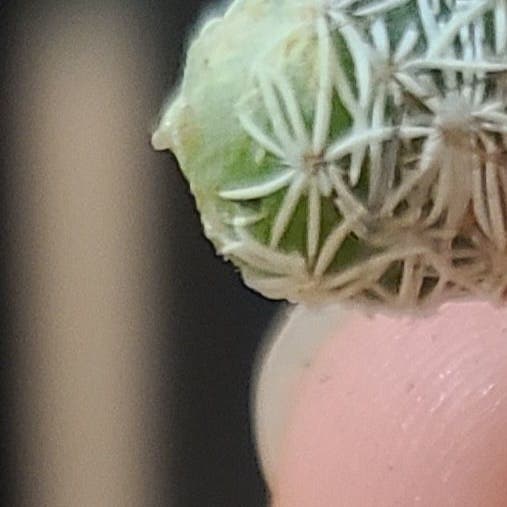
🐝 How to Cure Yellow Leaves on Your Chihuahuan Beehive Cactus
Coryphantha echinus
By the Greg Editorial Team
Sep 29, 2024•7 min read
This article was created with the help of AI so we can cover more plants for you. May contain errors. See one? Report it here.
Transform your Chihuahuan beehive cactus from yellow to vibrant green with these essential care tips! 🌵
- 🌵 Yellow leaves indicate issues like overwatering, nutrient deficiencies, or pests.
- 💧 Maintain proper watering and soil drainage to prevent root rot and yellowing.
- 🐛 Inspect regularly for pests like mealybugs to keep your cactus healthy.
Causes of Yellow Leaves
💧 Overwatering and Its Effects
Overwatering is a common culprit behind yellow leaves on your Chihuahuan beehive cactus. Symptoms include yellowing leaves, a mushy texture, and even root rot, which can be detrimental to your plant's health.
Excessive moisture in the soil leads to poor drainage, making it crucial to use well-draining soil. This simple step can prevent root issues and keep your cactus thriving.
🚰 Underwatering and Its Symptoms
On the flip side, underwatering can also cause yellow leaves. Look for signs like yellowing leaves, shriveling, and dry soil, which indicate that your cactus is dehydrated.
Finding the right balance between moisture and dryness is essential for your cactus's well-being. Regularly check the soil to ensure it’s not too dry.
🌱 Nutrient Deficiencies
Nitrogen Deficiency
A nitrogen deficiency manifests as general yellowing of older leaves. Nitrogen is vital for healthy growth, so ensure your cactus gets enough of this nutrient.
Magnesium Deficiency
Magnesium deficiency presents itself as yellowing between leaf veins, while the veins themselves remain green. Magnesium plays a crucial role in photosynthesis and overall plant health, making it essential for your cactus.
🐛 Pest Infestations
Mealybugs
Mealybugs are another threat, identifiable by white, cotton-like masses on your cactus. These sap-sucking pests can lead to yellowing leaves and overall decline in cactus health.
Spider Mites
Spider mites can also cause issues, leaving fine webbing and stippled leaves in their wake. Their presence reduces the vigor of your cactus, leading to yellowing and other health problems.
🌡️ Environmental Stress
Temperature
Your cactus thrives in an ideal temperature range of 70°F to 100°F (21°C to 38°C). Extreme temperatures can stress the plant, leading to yellow leaves.
Humidity
Chihuahuan beehive cacti prefer low humidity levels. High humidity can negatively impact their health, contributing to yellowing leaves and other issues.
Understanding these causes is the first step in addressing yellow leaves on your cactus. Next, we’ll explore how to diagnose these symptoms effectively.
Diagnosing Yellow Leaves
Identifying Symptoms 🌼
Yellow leaves on your Chihuahuan beehive cactus can signal trouble. Look for visual signs like color changes and texture alterations; these are crucial for early detection.
Differentiating Between Causes 🔍
Understanding whether your cactus is overwatered or underwatered is key. Overwatered plants often have mushy leaves, while underwatered ones may appear shriveled and dry.
Checking for Pests and Diseases 🐛
Regular inspections are essential for catching pests early. Keep an eye out for signs of disease, such as discoloration or unusual spots, that may accompany yellowing leaves.
Assessing Soil Conditions and Drainage 💧
Soil drainage plays a vital role in cactus health. Check moisture levels by sticking your finger into the soil; if it feels soggy, you may have a drainage issue that needs addressing.
By diagnosing yellow leaves effectively, you can take the necessary steps to restore your cactus's health. Next, let’s explore treatment options to revive those yellowing leaves!
Treatment for Yellow Leaves
🌊 Adjusting Watering Schedule
To revive your Chihuahuan beehive cactus, start by adjusting your watering schedule. Allow the soil to dry out completely between waterings; this is crucial for preventing further yellowing.
Healthy, firm leaves are the best indicators that you're on the right track. If your cactus feels mushy or limp, it’s time to reassess your watering habits.
🪴 Improving Soil Drainage
Next, focus on improving soil drainage. A cactus potting mix enriched with perlite or sand is ideal for promoting airflow and preventing root rot.
Consider repotting your cactus into a container with drainage holes. This simple step can make a world of difference in maintaining healthy roots.
🌱 Fertilizing Appropriately
Fertilization is another key aspect of treatment. Use a balanced NPK fertilizer or one specifically designed for cacti to provide essential nutrients.
Timing is everything; fertilize during the growing season and avoid doing so in winter when your cactus is dormant. This ensures your plant gets the nutrients it needs when it can utilize them best.
🐞 Treating Pests and Diseases
Pest control is vital for restoring your cactus's health. For mealybugs, apply insecticidal soap or neem oil to eliminate these pesky invaders.
If spider mites are the issue, increasing humidity can help, along with using miticides. Regular checks will help you catch these problems early.
✂️ Pruning Affected Areas
Finally, don’t overlook the importance of pruning. Use clean, sharp tools to remove any yellowing leaves, which can help redirect energy to healthier parts of the plant.
This not only promotes new growth but also improves the overall appearance of your cactus. A little care goes a long way in ensuring your cactus thrives.
By following these treatment steps, you can effectively address the yellowing leaves on your Chihuahuan beehive cactus. Next, let’s explore how to prevent yellow leaves from becoming a recurring issue.
Preventing Yellow Leaves
💧 Best Practices for Watering
Establishing a consistent watering routine is crucial for your Chihuahuan beehive cactus. Aim to let the soil dry out completely between waterings to avoid overwatering, which can lead to yellow leaves.
Adjust your watering frequency based on seasonal changes. During hotter months, your cactus may need more water, while cooler months require less.
🌱 Choosing the Right Soil Mix
Using a well-draining cactus mix is essential for preventing yellow leaves. A mix that includes perlite or sand enhances drainage, ensuring your cactus roots stay healthy.
Soil composition plays a significant role in cactus health. Poorly draining soil can lead to root rot, so choose wisely.
🐞 Regular Pest Inspections
Conduct monthly checks for pests to catch any infestations early. Regular inspections help you identify issues like mealybugs or spider mites before they cause significant damage.
Early intervention is key. Addressing pest problems promptly can save your cactus from yellowing leaves and other health issues.
☀️ Optimal Light Conditions
Your cactus thrives in full sun, requiring at least six hours of direct light daily. Insufficient light can lead to weak growth and yellowing leaves.
Ensure your cactus is placed in a bright location. A sunny spot will promote vibrant health and prevent yellowing.
🍂 Seasonal Care Adjustments
Adjust your care routine based on seasonal changes to keep your cactus thriving. Monitor temperature and humidity levels throughout the year to provide the best environment.
Being attentive to these factors will help you maintain a healthy cactus. Regular adjustments can prevent yellow leaves and promote robust growth.
By following these preventive measures, you can keep your Chihuahuan beehive cactus vibrant and healthy, setting the stage for a thriving plant. Next, let’s explore how to monitor your cactus’s health effectively.
Monitoring Cactus Health
Signs of Recovery 🌱
As your Chihuahuan beehive cactus begins to bounce back, look for signs like green leaves returning and a firm texture. These indicators show that your plant is regaining its health, but remember, patience is key during this recovery process.
Regular Maintenance Tips 🛠️
To keep your cactus thriving, establish a consistent care routine. Regular watering, appropriate light exposure, and periodic checks for pests will help maintain its health and prevent future issues.
When to Seek Professional Help 🩺
If you notice persistent yellowing or other severe symptoms, it may be time to consult a cactus specialist. Recognizing the signs that indicate the need for expert intervention can save your plant from further decline and ensure it gets the care it needs.
Monitoring your cactus health is crucial for its longevity. By staying attentive and proactive, you can enjoy a vibrant, flourishing plant for years to come. Next, let's explore how to prevent yellow leaves from occurring in the first place.
⚠️ Safety First
This content is for general information and may contain errors, omissions, or outdated details. It is not medical, veterinary advice, or an endorsement of therapeutic claims.
Always consult a qualified healthcare professional before using any plant as food, medicine, or supplement.
Never eat any plant (or feed one to pets) without confirming its identity with at least two trusted sources.
If you suspect poisoning, call Poison Control (800) 222-1222, the Pet Poison Helpline (800) 213-6680, or your local emergency service immediately.
Spotted an error? Please report it here.
Revive your Chihuahuan beehive cactus from yellow leaves with Greg's tailored care tips 🌵, ensuring you diagnose issues and maintain a thriving plant effortlessly!