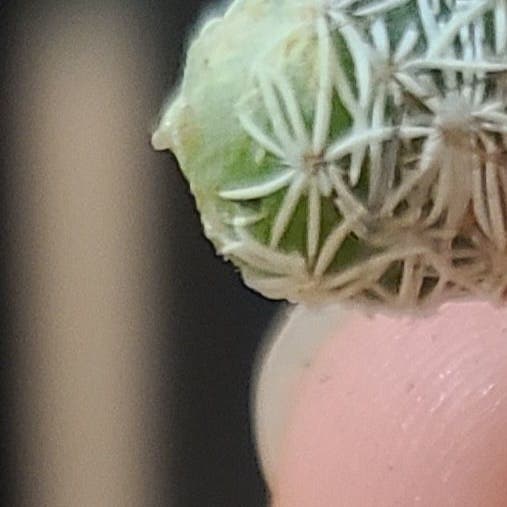
🌵 8 Steps to a Healthy Indoor Chihuahuan Beehive Cactus
Coryphantha echinus
By the Greg Editorial Team
Sep 29, 2024•4 min read
This article was created with the help of AI so we can cover more plants for you. May contain errors. See one? Report it here.
Cultivate a vibrant indoor oasis 🌵 by mastering the essential care tips for your Chihuahuan beehive cactus!
- 🌞 Chihuahuan beehive cacti need 6-8 hours of bright, indirect sunlight daily.
- 💧 Water every 2-3 weeks using the soak and dry method to prevent root rot.
- 🌡️ Maintain 30-50% humidity and 70°F to 85°F for optimal cactus health.
Light Requirements
Ideal Indoor Light Levels 🌞
For your Chihuahuan beehive cactus to thrive, it needs 6-8 hours of bright, indirect sunlight each day. If you notice your cactus stretching or turning pale, it’s a clear sign it's not getting enough light.
Role of Grow Lights in Indoor Care 💡
In situations where natural light is scarce, especially during winter months, grow lights become essential. They provide consistent light levels and can extend the growth period, helping your cactus stay vibrant and healthy.
How to Choose the Best Grow Light 🛠️
When selecting a grow light, consider the two main types: LED and fluorescent. For small indoor cacti, a wattage of 20-40 watts is recommended, and opting for full-spectrum lights will ensure balanced growth across all stages.
By understanding and implementing these light requirements, you’ll set a solid foundation for your cactus’s health. Next, let’s dive into the watering needs to keep your plant hydrated and thriving.
Watering Needs
Frequency and Method of Watering 🌊
To keep your Chihuahuan beehive cactus thriving, water it every 2-3 weeks during the growing season. This regularity helps mimic its natural environment.
For the best results, use the soak and dry technique.
- Water thoroughly until it drains from the bottom.
- Allow the soil to dry completely before the next watering.
This method ensures that the roots get enough moisture without sitting in water, which can lead to root rot.
Signs of Overwatering and Underwatering 🚨
Understanding your cactus's needs is crucial. Overwatering can manifest as yellowing leaves, mushy stems, and even root rot.
On the flip side, underwatering shows up as a wrinkled, shriveled appearance and slow growth.
Keep an eye on these signs to adjust your watering routine accordingly.
With the right care, your cactus will flourish, setting the stage for the next important aspect of its care: humidity and temperature control.
Humidity and Temperature Control
🌬️ Ideal Humidity Levels for Indoor Growth
Maintaining the right humidity is crucial for your Chihuahuan beehive cactus. Aim for a humidity level between 30-50% to promote optimal growth.
To control humidity, consider using pebble trays filled with water, humidifiers, or occasional misting. These methods help create a more suitable environment for your cactus, ensuring it thrives indoors.
🌡️ Temperature Requirements and Seasonal Adjustments
Your cactus prefers a cozy temperature range of 70°F to 85°F (21°C to 29°C). This range mimics its natural habitat and supports healthy growth.
As seasons change, adjust temperatures slightly cooler in winter, ideally between 60°F to 70°F. This seasonal shift helps your cactus rest and rejuvenate, preparing it for the next growth cycle.
With the right humidity and temperature, your indoor cactus will flourish, setting the stage for vibrant growth and health. Next, let's explore the best soil and fertilization practices to keep your plant thriving.
Soil and Fertilization
Best Soil Type 🌵
Choosing the right soil is crucial for your indoor Chihuahuan beehive cactus. A well-draining cactus mix is ideal, but you can also create a homemade blend using one part potting soil, one part sand, and one part perlite.
Good drainage is essential. It prevents root rot and promotes healthy growth, ensuring your cactus thrives in its indoor environment.
Fertilization Schedule and Types 🌱
Fertilizing your cactus is key to its health. Aim to fertilize every 4-6 weeks during the growing season for optimal results.
Use a balanced, diluted cactus fertilizer with an NPK ratio of 10-10-10. This will provide the necessary nutrients without overwhelming your plant, keeping it vibrant and strong.
With the right soil and fertilization practices, your indoor cactus will flourish. Next, let’s explore how to tackle common issues and solutions for maintaining your plant's health.
Common Issues and Solutions
🐞 Pest Prevention Strategies
Indoor Chihuahuan beehive cacti can attract pests like mealybugs, spider mites, and scale. Regular inspections are crucial; check your plants frequently for any signs of infestation.
Maintaining cleanliness around your cactus is essential. Use insecticidal soap as a preventive measure to keep these pests at bay.
🚧 Common Problems Specific to Indoor Growing
Root rot is a common issue for indoor cacti, often caused by overwatering. Etiolation, or stretching due to insufficient light, can also occur, leading to weak growth.
Leaf drop is another concern, signaling stress in your plant. Adjust your watering practices, ensure adequate light, and consider repotting if problems persist.
✂️ Tips for Maintaining Plant Appearance and Health
Regular pruning helps keep your cactus looking its best by removing dead or damaged growth. Wipe the leaves to eliminate dust, enhancing photosynthesis.
Rotating your plant ensures even light exposure, promoting balanced growth. These simple steps can significantly improve the health and appearance of your indoor cactus.
As you navigate these common issues, remember that attentive care can lead to a thriving indoor garden. Next, let’s explore the best soil and fertilization practices to keep your cactus flourishing.
⚠️ Safety First
This content is for general information and may contain errors, omissions, or outdated details. It is not medical, veterinary advice, or an endorsement of therapeutic claims.
Always consult a qualified healthcare professional before using any plant as food, medicine, or supplement.
Never eat any plant (or feed one to pets) without confirming its identity with at least two trusted sources.
If you suspect poisoning, call Poison Control (800) 222-1222, the Pet Poison Helpline (800) 213-6680, or your local emergency service immediately.
Spotted an error? Please report it here.
Cultivate a thriving Chihuahuan beehive cactus with these 8 steps, and let Greg provide you with custom care reminders 🌵 to ensure your plant gets the right light and water for optimal growth!