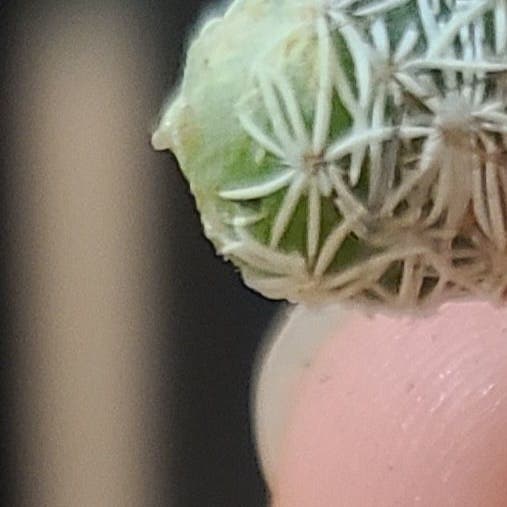
🌵 How to Cure Brown Spots on Your Chihuahuan Beehive Cactus
Coryphantha echinus
By the Greg Editorial Team
Sep 29, 2024•5 min read
This article was created with the help of AI so we can cover more plants for you. May contain errors. See one? Report it here.
Transform your Chihuahuan beehive cactus from troubled to thriving with essential care tips for brown spots! 🌵✨
- 🌵 Inspect for brown spots to identify issues like pests or overwatering.
- ☀️ Ensure 6-8 hours of sunlight daily for optimal cactus health.
- 💧 Allow soil to dry completely between waterings to prevent root rot.
Diagnosing the Problem
🔍 Visual Inspection Techniques for Brown Spots
To tackle brown spots on your Chihuahuan beehive cactus, start with a close examination of the leaves. Look for patterns: are the spots isolated or widespread?
Next, check for pests. A magnifying glass can help you spot tiny invaders that might be causing trouble.
Assessing leaf texture is equally important. Softness or mushiness often indicates overwatering, while dry, crispy edges suggest sunburn.
🌤️ Assessing Environmental Factors
Environmental factors play a crucial role in your cactus's health. First, consider light conditions; cacti thrive in full sun for 6-8 hours daily.
If your cactus is stretching or leaning towards a light source, it may not be getting enough light.
Next, evaluate your watering habits. Always allow the soil to dry completely between waterings, as cacti prefer well-draining soil.
Humidity levels also matter. Ideally, your cactus should be in low humidity, typical of desert environments. Signs of high humidity, like mold or mildew on the soil surface, can indicate a problem.
🐞 Common Pests Affecting Cacti
Identifying common pests is essential for diagnosing issues. Mealybugs, with their white, cotton-like appearance, can wreak havoc on your cactus.
Scale pests appear as hard, shell-like bumps and can also stress your plant. Both can lead to discoloration and brown spots, so keep an eye out for these troublemakers.
Understanding these factors will help you pinpoint the cause of brown spots on your cactus. With the right diagnosis, you can move on to effective treatment options.
Treatment Options
Step-by-Step Guide to Treating Brown Spots 🌵
Identify the cause of brown spots: Start by closely examining your cactus. Understanding whether the issue stems from pests, overwatering, or inadequate light is crucial for effective treatment.
Remove affected areas: Use sterilized tools to cut away any brown or damaged sections. This helps prevent further infection and promotes healthier growth.
Adjust watering schedule: If overwatering is suspected, reduce the frequency of watering. Allow the soil to dry out completely between waterings to avoid stressing your cactus.
Improve light exposure: If your cactus isn’t getting enough light, consider moving it to a sunnier spot. Ideally, it should receive full sun for 6-8 hours daily to thrive.
Recommended Fungicides and Pesticides for Cacti 🧪
Chemical treatments: For fungal infections, specific fungicides can be effective. Additionally, use pesticides designed for mealybugs and scale to protect your cactus from pests.
Application methods: Always follow the label instructions for dosage and frequency. Proper application ensures the safety and health of your cactus while effectively treating the problem.
Natural Remedies for Brown Spots 🌿
Neem oil treatment: Spray neem oil on affected areas to combat pests and fungal issues. Repeat this every 1-2 weeks until you notice improvement.
Alcohol wipes for pest removal: For a quick fix, dab affected areas with a cotton swab soaked in alcohol. This method effectively removes pests without harming your cactus.
By following these treatment options, you can restore your Chihuahuan beehive cactus to its vibrant state. Next, let’s explore preventive measures to keep your cactus healthy and thriving.
Preventive Measures
Best Watering Practices for Cacti 🌵
Watering your cactus correctly is crucial for its health. Always allow the soil to dry out completely between waterings to prevent root rot.
Signs of proper watering include firm, healthy leaves that show no browning. If your cactus feels soft or mushy, it’s a sign you may be overwatering.
Optimal Light Conditions to Prevent Sunburn ☀️
Cacti thrive in direct sunlight, so placement is key. Aim for at least 6-8 hours of full sun exposure daily to promote optimal growth.
Be cautious of sudden shifts in light conditions, as this can lead to sunburn. Gradually acclimate your cactus to brighter spots to avoid shock.
Soil and Potting Recommendations for Healthy Growth 🪴
Choosing the right soil is essential for your cactus's well-being. A cactus mix or a blend of sand and perlite provides excellent drainage, which is vital for preventing brown spots.
When potting, ensure your pots have drainage holes. This prevents water accumulation, keeping your cactus happy and healthy.
By following these preventive measures, you can significantly reduce the risk of brown spots and ensure your Chihuahuan Beehive Cactus thrives. Next, let’s explore long-term care strategies to maintain its health throughout the seasons.
Long-term Care
🌱 Seasonal Care Adjustments for Cacti
Caring for your Chihuahuan beehive cactus varies with the seasons.
Winter Care
During winter dormancy, it's crucial to reduce watering. This helps prevent root rot as the plant's growth slows down.
Additionally, monitor for temperature fluctuations. Cacti prefer stable conditions, so avoid placing them near drafty windows or heating vents.
Summer Care
In contrast, summer calls for increased watering frequency. As your cactus enters its active growth phase, it will need more moisture to thrive.
Ensure that the soil dries out completely between waterings to maintain optimal health.
🔍 Monitoring and Maintaining Cactus Health
Regular inspections are essential for keeping your cactus in top shape.
Check for signs of pests and diseases during these inspections. Early detection can save your plant from severe damage.
Look for changes in leaf color and texture, as these can indicate underlying issues.
📅 Importance of Regular Inspections for Early Detection
Aim for monthly checks to catch any problems early.
The benefits of early detection are significant; it prevents severe damage and promotes healthy growth.
By staying proactive, you ensure your cactus remains vibrant and resilient throughout the seasons.
With these long-term care strategies, your Chihuahuan beehive cactus will flourish, setting the stage for a thriving garden.
⚠️ Safety First
This content is for general information and may contain errors, omissions, or outdated details. It is not medical, veterinary advice, or an endorsement of therapeutic claims.
Always consult a qualified healthcare professional before using any plant as food, medicine, or supplement.
Never eat any plant (or feed one to pets) without confirming its identity with at least two trusted sources.
If you suspect poisoning, call Poison Control (800) 222-1222, the Pet Poison Helpline (800) 213-6680, or your local emergency service immediately.
Spotted an error? Please report it here.
Keep your Chihuahuan beehive cactus vibrant and healthy 🌵 by using Greg's tailored care reminders and pest identification tools to tackle those pesky brown spots with confidence!