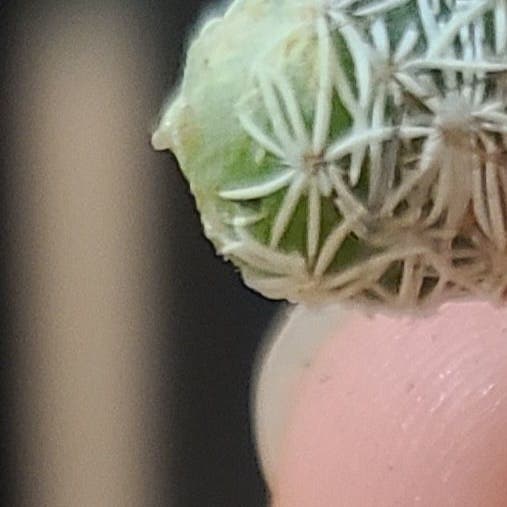
Why Your Chihuahuan Beehive Cactus Leaves Are Falling Over
Coryphantha echinus
By the Greg Editorial Team
Sep 29, 2024•7 min read
This article was created with the help of AI so we can cover more plants for you. May contain errors. See one? Report it here.
Transform your drooping Chihuahuan beehive cactus 🌵 into a thriving beauty with essential care tips and insights!
- 💧 Overwatering and underwatering both cause droopy leaves in Chihuahuan beehive cacti.
- 🐛 Pests like mealybugs weaken cacti, leading to drooping foliage. Regular checks are essential!
- 🌡️ Temperature and humidity fluctuations stress cacti; maintain stable conditions for health.
Common Causes of Leaf Droop
💧 Overwatering
Overwatering is a common culprit behind drooping leaves in Chihuahuan beehive cacti. Symptoms include noticeable leaf droop and discoloration, often accompanied by root rot, which can severely impact the plant's health.
The primary causes of overwatering are an infrequent watering schedule and poor soil drainage. If the soil retains too much moisture, it can suffocate the roots, leading to further complications.
🚰 Underwatering
On the flip side, underwatering can also lead to droopy leaves. Symptoms include shriveling and drooping leaves, along with a dry, brittle texture that signals distress.
Inconsistent watering routines and environmental factors, such as high temperatures or low humidity, can cause rapid moisture loss. This inconsistency can leave your cactus gasping for hydration.
🐛 Pest Infestations
Pests can wreak havoc on your cactus, leading to drooping leaves. Common offenders include mealybugs, which leave a sticky residue and can cause yellowing, and spider mites, identifiable by fine webbing on the leaves.
The effects of these pests extend beyond mere aesthetics; they can deplete essential nutrients, resulting in weakened, drooping foliage. Regular inspections can help catch these pests early.
🌡️ Environmental Stress
Temperature fluctuations can stress your cactus, causing leaf droop. Ideally, Chihuahuan beehive cacti thrive in temperatures between 70°F and 90°F. Signs of temperature stress include wilting and discoloration.
Humidity levels also play a crucial role. Low humidity can lead to leaf health issues, manifesting as droop or browning edges. Monitoring these environmental factors is key to maintaining a healthy cactus.
🌱 Soil Issues
Soil drainage is vital for the health of your cactus. Well-draining soil should consist of components like sand and perlite, allowing excess water to escape easily.
Signs of soil compaction, such as slow drainage or a hard crust on the surface, can indicate problems affecting root health. Ensuring proper soil conditions can prevent many drooping issues before they start.
Understanding these common causes of leaf droop is essential for effective cactus care. By addressing these issues, you can help your Chihuahuan beehive cactus thrive and flourish.
Diagnosing Leaf Droop
🌊 Signs of Overwatering
When your Chihuahuan beehive cactus shows signs of overwatering, the first indicators are often visual. Look for leaf color changes, such as yellowing or browning, which signal distress.
Additionally, the texture of the leaves may become soft and mushy. This is a clear sign that your cactus is struggling and needs immediate attention.
💧 Signs of Underwatering
On the flip side, underwatering presents its own set of symptoms. You might notice the leaves wrinkling or shriveling, indicating they are not getting enough moisture.
Color changes can also occur, with the leaves appearing faded or dull. These signs suggest that your cactus is thirsty and requires a more consistent watering routine.
🐛 Identifying Pests and Diseases
Pests can wreak havoc on your cactus, so regular inspections are crucial. Check for visible pests on both the leaves and the soil, as these little invaders can cause significant damage.
Be on the lookout for signs of disease, such as fungal infections. These can manifest as unusual spots or discoloration on the leaves, signaling that your cactus needs help.
🌡️ Assessing Environmental Conditions
Environmental factors play a significant role in the health of your cactus. Evaluating temperature and humidity is essential for diagnosing leaf droop.
Use tools like thermometers and hygrometers to measure these conditions accurately. Ideally, your cactus thrives in temperatures between 70°F and 90°F, with humidity levels kept low to moderate.
Understanding these signs and conditions will help you take the right steps to restore your cactus to its vibrant self. Next, we’ll explore preventive measures to keep your cactus healthy and thriving.
Preventive Measures
Proper Watering Techniques 🌊
Establishing a consistent watering schedule is crucial for your Chihuahuan beehive cactus. During the growing season, water every 2-3 weeks, but reduce this frequency in winter.
Look for signs that indicate when to water, such as dry soil or slight leaf droop. Always check the top inch of soil; if it feels dry, it’s time to give your cactus a drink.
Ideal Soil Composition for Drainage 🪴
Well-draining soil is essential for cactus health. A mix of cactus soil and perlite works wonders, ensuring excess water drains away quickly.
Avoid compacted soil, as it can suffocate roots and lead to rot. Regularly check your soil's texture; it should be loose and airy to promote healthy growth.
Optimal Sunlight Exposure ☀️
Your cactus thrives in bright light, ideally full sun for several hours a day. If you notice your cactus stretching or becoming leggy, it may not be getting enough light.
Signs of insufficient light include etiolation, where the plant grows tall and spindly. Adjust its position to ensure it receives adequate sunlight for robust health.
Seasonal Care Adjustments 🍂
As seasons change, so should your care routine. In spring and summer, increase watering frequency, while in fall and winter, cut back significantly.
Keep an eye on temperature fluctuations; your cactus prefers a stable environment. Protect it from extreme cold, especially during winter months, to maintain its vitality.
By following these preventive measures, you can help your Chihuahuan beehive cactus thrive and avoid common issues like leaf droop. Next, let’s explore how to diagnose leaf droop effectively.
Treatment Solutions
🌊 How to Treat Overwatered Cactus
Overwatering can be a serious issue for your Chihuahuan beehive cactus. Here’s a straightforward process to help revive your plant.
- Assess soil moisture levels: Use your finger to check the top inch of soil. If it feels soggy, it's time to act.
- Remove cactus from pot and inspect roots: Gently take the cactus out of its pot. Look for any roots that appear brown or mushy.
- Trim away any rotten roots: Use clean scissors to cut away the damaged roots. This helps prevent further rot.
- Repot in fresh, well-draining soil: Choose a cactus mix or add perlite to your soil. This will improve drainage and promote healthy growth.
💧 How to Treat Underwatered Cactus
If your cactus is underwatered, it’s essential to rehydrate it properly. Follow these simple steps:
- Gradually reintroduce water: Start by giving your cactus a small amount of water. Avoid flooding it all at once.
- Monitor leaf recovery over time: Keep an eye on the leaves. They should begin to perk up within a few days.
🐞 Pest Control Methods
Pests can wreak havoc on your cactus. Here are some effective control options:
- Neem oil application for mealybugs: This natural pesticide suffocates pests without harming your plant.
- Insecticidal soap for spider mites: Spray this solution directly on the affected areas to eliminate these tiny invaders.
🌱 Soil Amendment Techniques
Improving soil drainage is crucial for your cactus's health. Here’s how to do it:
- Adding perlite or sand to existing soil: Mix these materials into your current soil to enhance drainage.
- Repotting techniques to enhance drainage: When repotting, ensure the new pot has drainage holes and use a well-draining soil mix.
By following these treatment solutions, you can help your Chihuahuan beehive cactus thrive. Next, let’s explore how to repot and maintain your cactus for long-term health.
Repotting and Maintenance
🏡 When to Repot
Repotting your Chihuahuan beehive cactus is essential for its health. Look for signs like root-bound conditions, where roots start to emerge from the drainage holes, indicating it's time for a new home.
Soil degradation over time can also signal the need to repot. If the soil appears compacted or has lost its ability to drain effectively, a fresh mix will rejuvenate your cactus.
🌱 How to Repot Without Damaging Leaves
Repotting can be a delicate process, but with care, you can do it successfully.
- Prepare a new pot with well-draining soil, ensuring it’s slightly larger than the current one.
- Carefully remove the cactus from its old pot, gently loosening the soil around the roots.
- Handle the leaves gently to avoid damage, as they can be sensitive.
- Position the cactus in the new pot and fill it with fresh soil, ensuring it’s stable.
🔧 Ongoing Maintenance Tips
Regular inspections are key to keeping your cactus healthy. Check for pests and diseases frequently to catch any issues early.
Adapting your care routines based on growth stages is vital. As your cactus matures, its needs may change, so stay observant.
Lastly, maintaining optimal environmental conditions will ensure your cactus thrives. Monitor temperature and humidity to create a supportive atmosphere for growth.
With these tips, your Chihuahuan beehive cactus will flourish, ready to bring beauty to your space. Next, let’s explore treatment solutions for common issues that may arise.
⚠️ Safety First
This content is for general information and may contain errors, omissions, or outdated details. It is not medical, veterinary advice, or an endorsement of therapeutic claims.
Always consult a qualified healthcare professional before using any plant as food, medicine, or supplement.
Never eat any plant (or feed one to pets) without confirming its identity with at least two trusted sources.
If you suspect poisoning, call Poison Control (800) 222-1222, the Pet Poison Helpline (800) 213-6680, or your local emergency service immediately.
Spotted an error? Please report it here.
Keep your Chihuahuan beehive cactus thriving and upright 🌵 by using Greg's tailored care reminders to master watering and pest control for a flourishing plant!