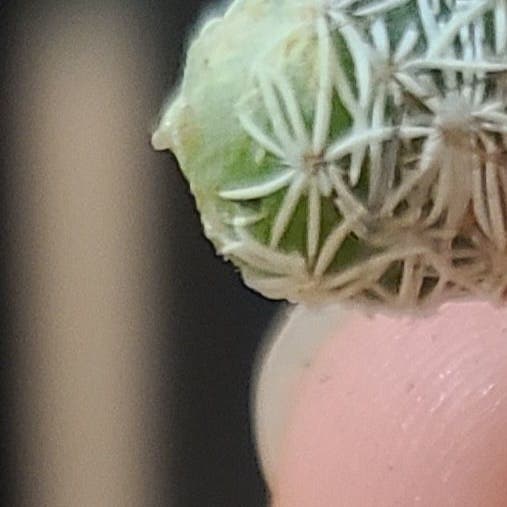
☀️ Ultimate Guide to Temperature for Chihuahuan Beehive Cactus
Coryphantha echinus
By the Greg Editorial Team
Sep 29, 2024•3 min read
This article was created with the help of AI so we can cover more plants for you. May contain errors. See one? Report it here.
Ensure your Chihuahuan beehive cactus thrives 🌵 by mastering its temperature needs for vibrant growth and resilience! 🌞
- 🌡️ Optimal temperature for Chihuahuan beehive cactus is 70°F to 100°F (21°C to 38°C).
- ❄️ Prolonged cold exposure causes stress; brief drops to 30°F (-1°C) are tolerable.
- 🌞 Monitor temperature and environment to prevent stress symptoms like wilting and discoloration.
Temperature Needs
Optimal Temperature Range 🌡️
The Chihuahuan beehive cactus thrives best in an ideal temperature range of 70°F to 100°F (21°C to 38°C). Maintaining this range is crucial for its growth and overall health, ensuring vibrant spines and robust development.
Interestingly, this cactus can tolerate brief drops to 30°F (-1°C). However, prolonged exposure to cold can lead to significant stress.
Signs of Temperature Stress ⚠️
Symptoms of Heat Stress 🔥
Heat stress can manifest in several ways. Look for discoloration, such as yellowing or browning of the spines, which indicates the cactus is struggling.
Wilting is another sign, where the cactus body may soften, and stunted growth can occur, halting its natural development.
Symptoms of Cold Stress ❄️
Cold stress presents its own set of symptoms. You might notice darkening or blackening of the tissue, signaling potential damage.
Additionally, wilting may lead to shriveling or collapsing, while soft spots can indicate rot, often a precursor to fungal issues.
Causes of Temperature Stress 🌪️
Environmental Factors 🌍
Environmental factors play a significant role in temperature stress. Direct sunlight and wind exposure can elevate temperatures, affecting the cactus's health.
Soil temperature and moisture levels are equally important. If the soil is too hot or too dry, it can exacerbate stress on the plant.
Improper Placement 📍
Placement mistakes are common culprits of temperature stress. Avoid placing your cactus in areas with extreme temperature fluctuations.
For optimal placement, choose spots that provide some shelter from harsh conditions, ensuring the cactus remains within its preferred temperature range.
Sudden Temperature Changes ⚡️
Sudden temperature changes can wreak havoc on your cactus's health. Rapid fluctuations can shock the plant, leading to stress symptoms.
To mitigate these risks, consider using protective coverings during unexpected weather changes. This can help buffer against sudden drops or spikes in temperature.
Temperature Management Techniques 🛠️
Indoor vs. Outdoor Temperature Control 🏠
Managing temperature indoors requires specific best practices. Ensure your cactus is placed in a well-lit area, away from drafts or direct heating sources.
For outdoor placement, consider the elements. Choose a location that balances sunlight with some protection from wind and extreme heat.
Protective Measures for Extreme Weather ☔️
When facing extreme weather, protective measures are essential. Shade cloths can shield against intense sun, while windbreaks help reduce exposure to harsh winds.
Insulation techniques, such as wrapping the cactus during cold snaps, can also be beneficial in maintaining a stable environment.
Monitoring Temperature Changes 📊
Regular temperature checks are vital for cactus health. Keeping an eye on fluctuations can help you catch potential issues early.
Utilize tools like thermometers or smart sensors to effectively monitor temperature changes. This proactive approach ensures your cactus remains healthy and thriving.
⚠️ Safety First
This content is for general information and may contain errors, omissions, or outdated details. It is not medical, veterinary advice, or an endorsement of therapeutic claims.
Always consult a qualified healthcare professional before using any plant as food, medicine, or supplement.
Never eat any plant (or feed one to pets) without confirming its identity with at least two trusted sources.
If you suspect poisoning, call Poison Control (800) 222-1222, the Pet Poison Helpline (800) 213-6680, or your local emergency service immediately.
Spotted an error? Please report it here.
Keep your Chihuahuan beehive cactus thriving 🌵 by using Greg's tailored care reminders to monitor its temperature and ensure it flourishes in the perfect environment!