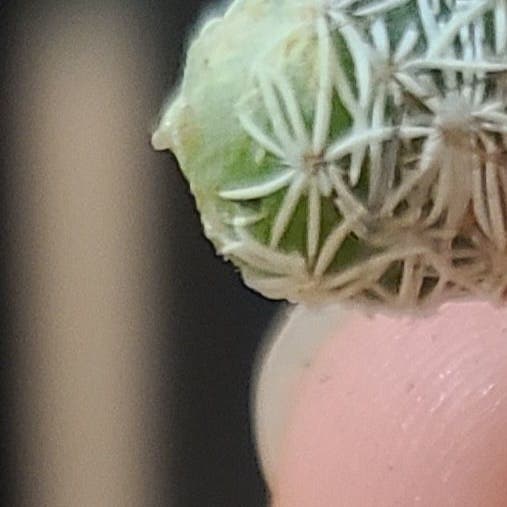
🌵 Why Your Chihuahuan Beehive Cactus Leaves Are Dropping
Coryphantha echinus
By the Greg Editorial Team
Sep 29, 2024•5 min read
This article was created with the help of AI so we can cover more plants for you. May contain errors. See one? Report it here.
Ensure your Chihuahuan Beehive Cactus thrives 🌵 by mastering watering and pest control techniques! 🌿
- 💧 Overwatering and underwatering both cause leaf drop in Chihuahuan Beehive Cacti.
- 🌡️ Ideal temperatures are 70°F to 90°F during the day for optimal health.
- 🐛 Pest infestations like mealybugs can lead to significant leaf drop if untreated.
Common Causes of Leaf Drop
💧 Overwatering and Its Effects
Overwatering is a common issue for Chihuahuan Beehive Cacti. Symptoms include yellowing leaves, a mushy texture, and the development of root rot.
To prevent these problems, ensure your cactus is planted in well-draining soil. A recommended mix is 50% cactus soil and 50% perlite or sand.
🚰 Underwatering and Dehydration
On the flip side, underwatering can also lead to leaf drop. Look for signs like wrinkled or shriveled leaves and a dry, brittle texture.
Healthy hydration is indicated by firm leaves that have a shiny appearance. Establish a regular watering schedule based on your cactus's environmental conditions.
🌡️ Temperature Fluctuations
Temperature plays a crucial role in the health of your cactus. The ideal daytime range is between 70°F to 90°F (21°C to 32°C), while nighttime temperatures should be 50°F to 60°F (10°C to 15°C).
Extreme heat or cold can stress your cactus, leading to leaf drop. Acclimatizing your plant to seasonal changes is essential for its well-being.
🐛 Pest Infestations
Pests can wreak havoc on your Chihuahuan Beehive Cactus. Common culprits include mealybugs, which appear as cotton-like masses on leaves, and spider mites, identifiable by fine webbing and stippled leaves.
Regular inspections are key to early detection. Catching infestations early can prevent significant leaf drop.
🍄 Fungal Infections
Fungal infections can also cause leaf drop. Symptoms include dark spots or lesions on leaves and wilting, even when the plant is adequately watered.
These infections often arise from overly moist conditions and poor air circulation. Keeping your cactus in a well-ventilated area can help mitigate these risks.
Understanding these common causes of leaf drop will help you maintain a healthy Chihuahuan Beehive Cactus. Next, we’ll explore how to diagnose and treat these issues effectively.
Diagnosis and Treatment
🌡️ Step-by-Step Diagnosis Process
Assessing Watering Habits
- Review watering frequency: Check if you're watering weekly or bi-weekly, adjusting based on the season.
- Check soil moisture: Use a moisture meter or your finger to gauge moisture levels.
- Adjust based on environmental conditions: Increase watering in summer and decrease in winter.
Checking Soil Drainage
- Inspect pot drainage holes: Ensure they aren’t blocked to allow excess water to escape.
- Evaluate soil composition: Confirm you’re using a well-draining mix.
- Repot if necessary: Consider using fresh soil mix to enhance drainage.
Inspecting for Pests
- Visual inspection: Look for signs of pests on leaves and in the soil.
- Use a magnifying glass: This helps identify small pests like spider mites.
- Quarantine affected plants: Isolate any infested plants to prevent spreading to healthy cacti.
Evaluating Environmental Conditions
- Monitor temperature: Use a thermometer to ensure your cactus is in the optimal range.
- Assess light exposure: Make sure it receives at least 6 hours of indirect sunlight daily.
- Check humidity levels: Ideal humidity for cacti is low, around 10-30%.
🛠️ Treatment Options
Adjusting Watering Schedule
- Implement a consistent watering routine: Water deeply but infrequently.
- Allow soil to dry out completely: This helps prevent root rot and other issues.
Improving Soil Drainage
- Repot with a cactus-specific soil mix: Incorporate perlite or sand for better drainage.
- Use pots with adequate drainage holes: This prevents water accumulation and keeps roots healthy.
Pest Control Methods
- Organic pest control options: Use neem oil spray for mealybugs and spider mites.
- Insecticidal soap: Effective for soft-bodied pests; apply as needed.
- Regular monitoring and treatment: Stay vigilant to prevent recurrence.
Treating Fungal Infections
- Remove affected leaves: Prune any infected parts to stop the spread.
- Apply fungicide: Follow label instructions carefully for effective treatment.
- Improve air circulation: Space plants adequately to reduce humidity and promote airflow.
By diagnosing and treating your Chihuahuan Beehive Cactus effectively, you can ensure its health and longevity. Next, let’s explore some prevention strategies to keep your cactus thriving year-round.
Prevention Strategies
🌊 Best Practices for Watering
How to Properly Water a Cactus
- Water thoroughly until it drains from the bottom.
- Allow the top 2 inches of soil to dry out before watering again.
- Adjust frequency based on season and environmental conditions.
🚰 Signs of Proper Hydration
- Look for healthy, firm leaves without wrinkles or discoloration.
- Expect noticeable growth during the active growing season, which is spring and summer.
🌡️ Ideal Growing Conditions
Optimal Temperature Ranges
- Maintain daytime temperatures between 70°F to 90°F (21°C to 32°C).
- Protect your cactus from frost and extreme heat to ensure its health.
☀️ Light Requirements
- Provide bright, indirect sunlight for at least 6 hours daily.
- Rotate the cactus periodically to ensure even light exposure.
🔧 Regular Maintenance Tips
Soil Checks
- Inspect soil moisture regularly to prevent over- or underwatering.
- Refresh the soil mix every 2-3 years to maintain optimal drainage.
🍂 Seasonal Care Adjustments
- Adjust watering frequency based on seasonal changes.
- Monitor temperature and light exposure during seasonal transitions to keep your cactus thriving.
By following these prevention strategies, you can create a nurturing environment for your Chihuahuan Beehive Cactus. This proactive approach will help you avoid common issues and keep your cactus healthy and vibrant. Next, let’s dive into effective diagnosis and treatment methods to address any existing problems.
⚠️ Safety First
This content is for general information and may contain errors, omissions, or outdated details. It is not medical, veterinary advice, or an endorsement of therapeutic claims.
Always consult a qualified healthcare professional before using any plant as food, medicine, or supplement.
Never eat any plant (or feed one to pets) without confirming its identity with at least two trusted sources.
If you suspect poisoning, call Poison Control (800) 222-1222, the Pet Poison Helpline (800) 213-6680, or your local emergency service immediately.
Spotted an error? Please report it here.
Keep your Chihuahuan Beehive Cactus thriving 🌵 by using Greg's tailored watering reminders and expert tips to avoid leaf drop and ensure a vibrant, healthy plant!