🌵 4 Plants That Thrive Alongside Chihuahuan Beehive Cactus
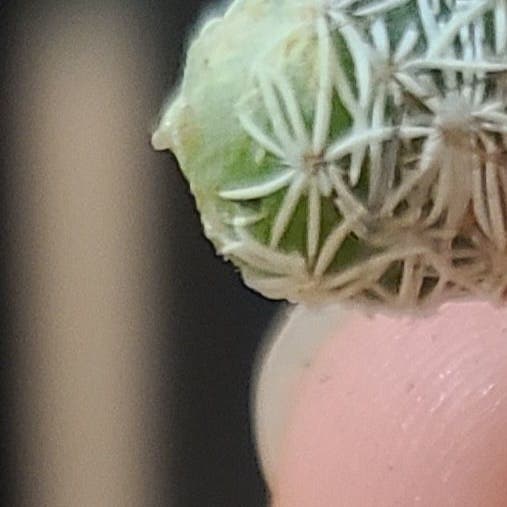
Coryphantha echinus
By the Greg Editorial Team
Sep 29, 2024•4 min read
This article was created with the help of AI so we can cover more plants for you. May contain errors. See one? Report it here.
Elevate your garden's health 🌱 by mastering companion planting with your Chihuahuan Beehive Cactus for a vibrant oasis!
- 🌵 Agave and Desert Marigold thrive with Chihuahuan Beehive Cactus, enhancing aesthetics and health.
- 🐦 Red Yucca attracts hummingbirds, while Mexican Feather Grass improves soil health and texture.
- ❌ Avoid aggressive plants like mint; they compete for resources and hinder cactus growth.
Best Companion Plants
🌵 Agave
Agave is a fantastic companion for the Chihuahuan Beehive Cactus due to its similar care needs. Thriving in arid conditions, it requires minimal water, making it a low-maintenance option.
Additionally, agave has pest-repellent properties thanks to saponins, which deter harmful insects. Its unique rosette shape adds visual interest, perfectly complementing the cactus.
🌼 Desert Marigold
Desert Marigold is another excellent choice, sharing the cactus's preference for well-draining soil and full sun. This plant thrives in similar conditions, ensuring a harmonious garden environment.
Moreover, it attracts beneficial insects, drawing in pollinators and predatory species that help keep pests in check. The bright yellow flowers provide a striking contrast to the cactus, enhancing the overall aesthetic.
🌺 Red Yucca
Red Yucca is known for its drought tolerance, requiring very little water, which aligns perfectly with the needs of the cactus. This makes it an ideal partner in a water-wise garden.
Its flowers attract hummingbirds, adding a delightful touch of biodiversity to your space. The tall flower spikes introduce height and interest, creating a dynamic garden design.
🌾 Mexican Feather Grass
Mexican Feather Grass offers complementary growth habits, with its soft, flowing texture contrasting beautifully against the rigid structure of the cactus. This contrast adds depth and movement to your landscape.
Beyond aesthetics, it also benefits soil health by improving structure and moisture retention. This makes it a practical choice for enhancing the overall vitality of your garden.
These companion plants not only thrive alongside the Chihuahuan Beehive Cactus but also contribute to a vibrant and healthy garden ecosystem. Next, let’s explore which plants to avoid to ensure your cactus flourishes.
Plants to Avoid
🌱 Overly Aggressive Plants
When choosing companion plants for your Chihuahuan beehive cactus, it's crucial to avoid overly aggressive species. These plants can compete for resources, potentially stunting the growth of your cactus.
Common culprits include certain types of mint and bamboo. Their rapid growth can overshadow your cactus, leading to an unhealthy garden dynamic.
💧 High Water Requirement Plants
Another category to steer clear of is high water requirement plants. These species can lead to overwatering, which is detrimental to the cactus's health.
Ferns and certain tropical plants thrive in moist conditions, making them incompatible with the dry needs of your cactus. Keeping your garden's moisture levels balanced is essential for a thriving ecosystem.
By avoiding these incompatible plants, you can create a harmonious environment that supports the health and beauty of your Chihuahuan beehive cactus. Next, let’s explore how companion plants can enhance pest management in your garden.
Pest Management
Companion plants play a crucial role in pest management by naturally deterring harmful insects. Many plants emit scents or produce compounds that repel pests, creating a healthier environment for your Chihuahuan Beehive Cactus.
🌿 Effective Pest-Repellent Plants
Some standout options include marigolds, known for their strong scent that keeps aphids and nematodes at bay. Additionally, certain herbs like basil and rosemary can also deter pests while adding culinary value to your garden.
🌼 Benefits of Companion Planting
By incorporating these pest-repellent plants, you not only protect your cactus but also enhance the overall biodiversity of your garden. This approach fosters a balanced ecosystem, making your garden a thriving habitat for beneficial insects.
🛠️ Practical Tips for Pest Management
- Plant Placement: Position pest-repellent plants near vulnerable species to maximize their protective effects.
- Diversity: Mix various companion plants to create a more resilient garden that can withstand pest pressures.
Incorporating these strategies will help you maintain a vibrant and healthy garden. Next, let’s explore how to create visual appeal and design a stunning landscape with your companion plants.
Visual Appeal and Garden Design
Creating a visually appealing garden is all about balance and contrast. Consider how colors, heights, and textures interact to create an engaging design.
🎨 Color Contrasts
Using plants with contrasting colors can make your garden pop. For instance, the bright yellow flowers of Desert Marigold stand out beautifully against the green of the Chihuahuan Beehive Cactus.
📏 Height Variation
Incorporating plants of varying heights adds depth to your garden. Taller plants like Red Yucca can serve as focal points, while shorter companions fill in the lower layers.
🌿 Texture Matters
Mixing different textures enhances visual interest. The soft, flowing Mexican Feather Grass contrasts nicely with the rigid structure of the cactus, creating a dynamic landscape.
🪴 Grouping Plants
Group plants with similar care needs together. This not only simplifies maintenance but also creates a cohesive look.
📏 Layering for Depth
Use varying heights to create layers in your garden. This technique adds dimension and makes the space feel more inviting.
By thoughtfully arranging your companion plants, you can create a stunning garden that thrives alongside your Chihuahuan Beehive Cactus. Next, let’s explore which plants to avoid for a harmonious garden environment.
⚠️ Safety First
This content is for general information and may contain errors, omissions, or outdated details. It is not medical, veterinary advice, or an endorsement of therapeutic claims.
Always consult a qualified healthcare professional before using any plant as food, medicine, or supplement.
Never eat any plant (or feed one to pets) without confirming its identity with at least two trusted sources.
If you suspect poisoning, call Poison Control (800) 222-1222, the Pet Poison Helpline (800) 213-6680, or your local emergency service immediately.
Spotted an error? Please report it here.
Create a vibrant garden ecosystem 🌿 for your Chihuahuan Beehive Cactus with the right companions, and let Greg guide you with tailored care tips to help every plant thrive!