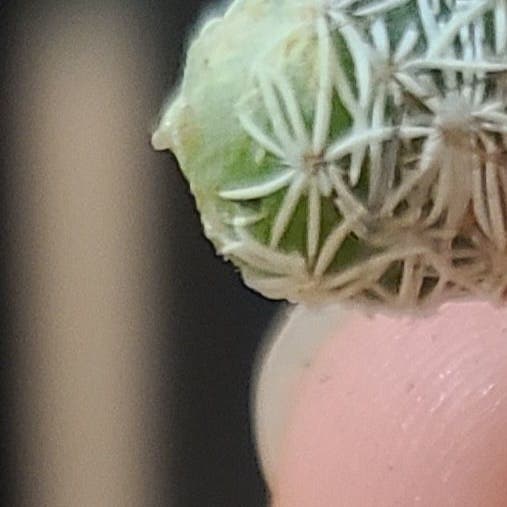
8 Factors for Optimal Chihuahuan Beehive Cactus Growth 🌵
Coryphantha echinus
By the Greg Editorial Team
Sep 29, 2024•5 min read
This article was created with the help of AI so we can cover more plants for you. May contain errors. See one? Report it here.
Cultivate a stunning Chihuahuan beehive cactus 🌵 with expert care tips for vibrant growth and resilience!
- 🌞 Chihuahuan beehive cacti need 6-8 hours of sunlight daily for optimal growth.
- 🌱 Use well-draining soil and pots with drainage holes to prevent root rot.
- 💧 Water infrequently but deeply every 2-4 weeks during the growing season.
Choosing a Location
🌞 Sunlight Requirements
Chihuahuan beehive cacti thrive in full sun, requiring 6-8 hours of direct sunlight daily. Without adequate light, you may notice stunted growth and fewer flowers, which can be disappointing for any cactus enthusiast.
🏡 Indoor vs. Outdoor Placement
For indoor placement, opt for south-facing windows or use grow lights to mimic natural sunlight. Outdoors, these cacti flourish in rock gardens or xeriscaping, where they can soak up the sun and showcase their unique beauty.
🌡️ Temperature Considerations
The ideal temperature range for these cacti is between 70°F to 100°F (21°C to 38°C). While they can tolerate brief frost, they truly prefer warmer conditions to thrive and grow robustly.
By carefully selecting the right location, you set the stage for your Chihuahuan beehive cactus to flourish. Next, let’s dive into the essential soil preparation to ensure your cactus has the best foundation for growth.
Soil Preparation
Ideal Soil Composition 🌵
For optimal Chihuahuan beehive cactus growth, the right soil mix is crucial. Aim for a blend of 50% potting soil, 25% sand, and 25% perlite to ensure excellent drainage.
Well-draining soil is vital for cactus health. It prevents root rot and allows the plant to thrive in its arid native environment.
Drainage Requirements 🚰
When gardening in containers, always choose pots with drainage holes. This simple feature helps excess water escape, keeping your cactus happy.
For garden beds, consider techniques like raised beds or adding gravel to improve drainage. These methods create a more suitable environment for your cactus.
pH Level Considerations ⚗️
The ideal pH range for your cactus soil is between 6.0 and 7.0. Testing your soil pH is easy and can be done with a simple kit from a garden store.
If your soil is outside this range, you can adjust it with amendments. This ensures your cactus has the best chance to flourish.
With the right soil preparation, your Chihuahuan beehive cactus will be set for success. Next, let’s dive into effective planting techniques to get your cactus in the ground or pot!
Planting Techniques
Step-by-Step Planting Guide 🌱
Planting your Chihuahuan beehive cactus is straightforward and rewarding. Start by preparing the planting site or container with the ideal soil mix.
- Dig a hole or create a space in the container that is twice the width of the root ball.
- Place the cactus in the hole, ensuring the top of the root ball is level with the soil surface.
- Backfill with soil and gently press down to eliminate air pockets.
- Water lightly to settle the soil around the roots.
Container vs. Ground Planting 🏺
Choosing between container and ground planting can impact your cactus's growth. Container gardening offers mobility and a controlled environment, making it easier to manage conditions.
On the other hand, ground planting is ideal for larger specimens, allowing them to thrive in a more natural setting. Each method has its perks, so consider your space and preferences.
Spacing and Depth Considerations 📏
Proper spacing and depth are crucial for healthy growth. For ground planting, aim for a spacing of 12-18 inches apart to give each cactus room to flourish.
Ensure that roots are covered adequately but not buried too deep. This balance helps prevent rot while allowing the plant to establish itself effectively.
With these planting techniques in mind, you're well on your way to nurturing a thriving Chihuahuan beehive cactus. Next, let’s explore how to care for your cactus through effective watering and fertilizing practices.
Watering and Fertilizing
💧 Watering Frequency and Techniques
For Chihuahuan beehive cacti, a watering schedule is crucial. Aim for infrequent but deep watering every 2-4 weeks during the growing season.
To water effectively, soak the soil thoroughly and then allow it to dry completely before the next watering. This approach mimics their natural desert environment, promoting healthy root development.
🚫 Signs of Overwatering and Underwatering
Recognizing the signs of overwatering is essential for cactus health. Look for yellowing, mushy stems, and root rot as indicators that your cactus is getting too much water.
On the flip side, underwatering can lead to a wrinkled, shriveled appearance. If you notice these signs, adjust your watering habits accordingly.
🌱 Fertilization Schedule and Types of Fertilizers
Fertilizing your cactus is just as important as watering. Plan to fertilize every 4-6 weeks during the growing season for optimal growth.
When choosing fertilizers, opt for low-nitrogen, balanced cactus fertilizers, such as a 5-10-10 mix. This will provide the nutrients your cactus needs without overwhelming it.
With proper watering and fertilization, your Chihuahuan beehive cactus will thrive. Next, let’s explore common challenges and solutions to keep your cactus healthy and vibrant.
Common Challenges and Solutions
🐞 Identifying and Managing Pests
Chihuahuan beehive cacti can attract a few unwelcome guests. Common pests include mealybugs, spider mites, and scale insects.
To combat these nuisances, consider using neem oil or insecticidal soap. Manual removal is also effective; just wipe them off with a damp cloth.
🦠 Addressing Diseases Specific to Cacti
Cacti are not immune to diseases, with root rot and fungal infections being the most prevalent.
Prevent these issues by practicing proper watering techniques and ensuring excellent soil drainage. This will keep your cactus healthy and thriving.
🌡️ Tips for Overcoming Environmental Stressors
Extreme temperatures can stress your cactus, so it's essential to protect it. Using shade cloth or insulation can help shield it from harsh conditions.
Additionally, managing humidity levels is crucial. Ensure good air circulation around your plant to promote a healthy environment.
By addressing these challenges proactively, you can enjoy a flourishing Chihuahuan beehive cactus. Next, let's explore the best practices for watering and fertilizing your cactus to keep it in peak condition.
⚠️ Safety First
This content is for general information and may contain errors, omissions, or outdated details. It is not medical, veterinary advice, or an endorsement of therapeutic claims.
Always consult a qualified healthcare professional before using any plant as food, medicine, or supplement.
Never eat any plant (or feed one to pets) without confirming its identity with at least two trusted sources.
If you suspect poisoning, call Poison Control (800) 222-1222, the Pet Poison Helpline (800) 213-6680, or your local emergency service immediately.
Spotted an error? Please report it here.
Cultivating a thriving Chihuahuan beehive cactus 🌵 is easy when you use Greg's tailored care reminders to meet its sunlight, soil, and watering needs for optimal growth!