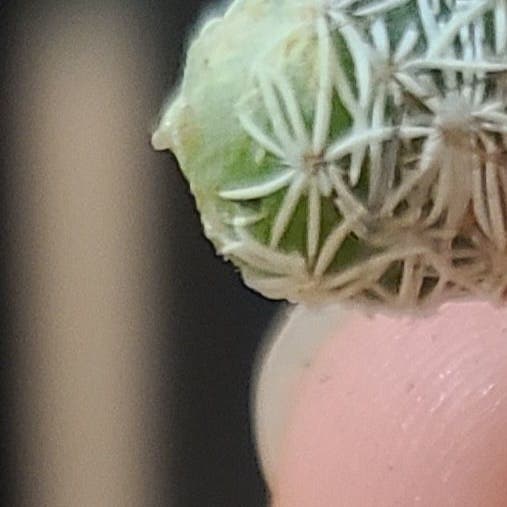
How to Cure Black Spots on Your Chihuahuan Beehive Cactus 🌵
Coryphantha echinus
By the Greg Editorial Team
Sep 29, 2024•4 min read
This article was created with the help of AI so we can cover more plants for you. May contain errors. See one? Report it here.
Transform your cactus care 🌵 by mastering diagnosis and treatment of black spots for a thriving garden!
- 🔍 Regular inspections help identify black spots and pests early on your cactus.
- 💧 Overwatering causes black spots; ensure soil dries completely between waterings.
- 🌱 Pruning and treatments like neem oil effectively combat black spots and pests.
Diagnosing the Problem
🔍 How to Inspect Your Cactus for Black Spots
Start with a thorough visual examination. Check all sides of your Chihuahuan Beehive Cactus for any black spots and look for signs of pests or other abnormalities.
Next, perform a touch test. Assess the leaf texture to determine if it feels firm or soft, as this can indicate underlying issues.
🛠️ Tools and Methods for Diagnosis
Utilizing the right tools can make diagnosis easier. A magnifying glass is essential for close inspection of pests and spots that might otherwise go unnoticed.
Additionally, a soil moisture meter can help you check for overwatering issues. This is crucial since too much water can lead to black spots. A pH test kit is also beneficial for ensuring that soil conditions are optimal for cactus health.
📞 When to Seek Professional Help
Sometimes, the problem may be beyond your expertise. Look for signs of severe infection, such as a rapid spread of black spots.
If you notice persistent pest infestations despite your treatment efforts, it’s time to consult a local nursery or cactus specialist. They can provide targeted advice and solutions tailored to your cactus's needs.
With a solid understanding of how to diagnose issues, you can move on to effective treatment options to restore your cactus's health.
Treatment Options
Step-by-Step Guide to Treating Black Spots 🌱
Identify the cause: Start by assessing your watering habits, checking for pests, and evaluating environmental conditions. Understanding the root cause is crucial for effective treatment.
Remove affected areas: Carefully prune any blackened leaves to prevent the spread of the issue. This step is vital to maintain the overall health of your cactus.
Adjust watering schedule: Allow the soil to dry out completely between waterings. Overwatering is a common culprit for black spots, so this adjustment can make a significant difference.
Apply treatments: Use appropriate fungicides or pesticides as needed. Selecting the right products can help eliminate the problem effectively.
Recommended Fungicides and Pesticides 🧪
Chemical options: Look for specific fungicides formulated for cacti. Active ingredients like copper sulfate can be particularly effective.
Pesticides for mealybugs and scale: Brands such as Bonide and Ortho are recommended for tackling these pests. Always check the label for compatibility with cacti.
Application methods: Consider whether to spray the product directly on the plant or use soil drenching. Spraying is often best for surface pests, while soil drenching can target root issues.
Natural Remedies for Black Spots on Cacti 🌿
Neem oil: This natural pesticide is effective against a variety of pests. Apply it every two weeks for best results.
Baking soda solution: Mix one tablespoon of baking soda with a quart of water. Spray this solution on affected areas to combat fungal issues.
Diatomaceous earth: Sprinkle this powder around the base of your cactus for pest control. It’s a safe, natural option that helps deter unwanted insects.
By following these treatment options, you can effectively manage and eliminate black spots on your Chihuahuan Beehive Cactus. With the right care, your cactus can thrive and remain a beautiful addition to your collection.
Transition to Preventive Measures 🚀
Once you've addressed the current issues, it’s essential to implement preventive measures to ensure your cactus stays healthy and vibrant. Let's explore best practices for watering and soil management next.
Preventive Measures
Best Practices for Watering and Soil Management 🌱
Watering your Chihuahuan Beehive Cactus requires a thoughtful approach. Adjust your watering frequency seasonally; during the growing season, water more often, while in winter, reduce it significantly.
Soil composition is crucial for cactus health. Use a well-draining mix, ideally combining potting soil with sand or perlite to enhance drainage.
Container drainage is another key factor. Ensure your pots have drainage holes to prevent water from pooling, which can lead to root rot.
Importance of Sunlight and Temperature Control ☀️
Your cactus thrives in bright, indirect sunlight. Position it near a window where it can soak up light without being scorched.
Temperature management is equally important. Keep your cactus in an environment that stays between 70°F and 90°F, as extreme temperatures can stress the plant.
Regular Maintenance and Inspection Routines 🔍
Make weekly checks a habit. Inspect your cactus for any signs of pests or black spots to catch issues early.
Seasonal care adjustments are vital too. As the seasons change, modify your care routines to align with your cactus's needs, ensuring it remains healthy year-round.
By following these preventive measures, you can significantly reduce the risk of black spots and keep your Chihuahuan Beehive Cactus thriving. Next, let’s explore treatment options if you do encounter black spots.
⚠️ Safety First
This content is for general information and may contain errors, omissions, or outdated details. It is not medical, veterinary advice, or an endorsement of therapeutic claims.
Always consult a qualified healthcare professional before using any plant as food, medicine, or supplement.
Never eat any plant (or feed one to pets) without confirming its identity with at least two trusted sources.
If you suspect poisoning, call Poison Control (800) 222-1222, the Pet Poison Helpline (800) 213-6680, or your local emergency service immediately.
Spotted an error? Please report it here.
Keep your Chihuahuan Beehive Cactus spotless 🌵 by using Greg's tailored care reminders and expert tips to catch issues early and maintain its vibrant health!