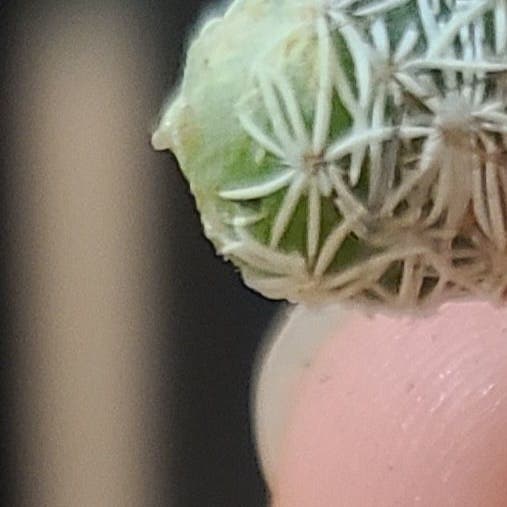
🌵 Dealing with Droopy Leaves on Your Chihuahuan Beehive Cactus
Coryphantha echinus
By the Greg Editorial Team
Sep 29, 2024•6 min read
This article was created with the help of AI so we can cover more plants for you. May contain errors. See one? Report it here.
Transform your droopy cactus into a thriving beauty 🌵 with these essential care tips and prevention strategies!
- 💧 Overwatering causes droopy leaves; ensure well-draining soil to prevent root rot.
- 🌞 Excessive sunlight can scorch leaves, leading to discoloration and droopiness.
- 🐛 Regular pest inspections are vital; look for sticky residue and visible insects.
Common Causes of Droopy Leaves
💧 Overwatering
Excess water is a common culprit for droopy leaves in cacti. It leads to root rot, which severely impacts leaf health and can ultimately kill your plant.
Signs of an overwatered cactus include yellowing leaves, a mushy texture, and a foul odor emanating from the soil. If you notice these symptoms, it's crucial to act quickly.
🚰 Underwatering
On the flip side, insufficient water can also cause droopy leaves. Dehydration stresses the plant, leading to a sad, wilting appearance.
Look for signs of underwatering such as wrinkled leaves and dry, compacted soil. If your cactus looks parched, it’s time to give it a drink.
🏜️ Poor Soil Drainage
Well-draining soil is essential for cactus health. Poor drainage can trap water around the roots, contributing to droopiness.
For optimal drainage, consider using a cactus mix or a blend of sand and perlite. This will help keep your cactus happy and thriving.
☀️ Excessive Sunlight Exposure
Cacti thrive in bright, indirect sunlight, but too much direct sun can lead to problems. Excessive exposure can scorch leaves, causing discoloration and drooping.
If you notice scorched leaves, it may be time to adjust your cactus's location. Finding that sweet spot can make all the difference.
🐜 Pest Infestations
Pests like mealybugs and scale insects can wreak havoc on your cactus. They not only suck the life out of your plant but also leave behind sticky residue.
Signs of pest damage include visible insects, webbing, and a sticky film on the leaves. Regular inspections can help catch these issues early.
Understanding these common causes of droopy leaves is the first step in restoring your Chihuahuan beehive cactus to its former glory. Next, we’ll explore how to diagnose the specific issues affecting your plant.
Diagnosing Droopy Leaves
🌊 Signs of Overwatering
Overwatering can be a silent killer for your Chihuahuan beehive cactus. Look for signs like yellowing leaves and a mushy texture, which indicate that your cactus is struggling.
To assess the situation, check the soil moisture levels. If the soil feels soggy and emits a foul odor, it’s a clear sign that you’ve been too generous with the watering can.
💧 Signs of Underwatering
On the flip side, underwatering can lead to droopy leaves as well. Wrinkled leaves and a generally wilting appearance signal that your cactus is in need of hydration.
For a proper assessment, inspect the soil. If it’s dry and compacted, your cactus is likely thirsty and needs a good soak.
🐛 Identifying Pest Damage
Pests can wreak havoc on your cactus, so regular inspections are crucial. Look for visible insects, sticky residue, or webbing that could indicate an infestation.
Evaluate the extent of the damage by checking for any signs of stress on the plant. If you spot pests, it’s time to take action before they cause more harm.
🦠 Recognizing Disease Symptoms
Diseases can also contribute to droopy leaves, so be vigilant. Common symptoms include wilting, discoloration, and root issues that can signal deeper problems.
To diagnose potential diseases, examine the soil and roots closely. Look for signs of rot, which can be a game-changer for your cactus's health.
Understanding these signs will empower you to take action and restore your cactus to its vibrant self. Next, let’s explore how to treat those droopy leaves effectively.
Treating Droopy Leaves
🌊 Steps to Take for Overwatered Cacti
Overwatering can be a serious issue for your Chihuahuan beehive cactus. Start by carefully removing the cactus from its pot.
Inspect the roots for any signs of rot. Trim away any affected areas to promote healthy growth.
Next, allow the roots to dry for 24-48 hours. This step is crucial to prevent further damage.
Finally, repot your cactus in fresh, well-draining soil. This will help restore its health and prevent future drooping.
💧 Steps to Take for Underwatered Cacti
Underwatering is another common culprit behind droopy leaves. To remedy this, gradually reintroduce water to your cactus.
Soak the soil thoroughly, ensuring that excess water can drain away. This helps to rehydrate the plant effectively.
Keep an eye on moisture levels regularly. Consistent monitoring will help you avoid underwatering in the future.
🐞 Pest Control Methods
Pest infestations can also lead to droopy leaves. Consider using organic pest control options like neem oil or insecticidal soap.
For a more hands-on approach, you can wipe pests off with a damp cloth. This mechanical removal technique can be quite effective.
🦠 Disease Treatment Options
Identifying the type of disease affecting your cactus is essential for effective treatment. Common issues include root rot, which can be detrimental if not addressed.
For root rot, repotting your cactus and using fungicides can help. This approach targets the problem directly and promotes recovery.
By following these treatment steps, you can help your Chihuahuan beehive cactus bounce back from droopy leaves. Next, let’s explore how to prevent these issues from arising in the first place.
Preventing Droopy Leaves
💧 Best Watering Practices
Watering your Chihuahuan beehive cactus correctly is crucial for its health. Aim to let the soil dry out completely between waterings to prevent overwatering.
For effective watering, consider deep soaking. This method ensures that moisture reaches the roots while allowing excess water to drain away, promoting a healthy root system.
🌱 Ideal Soil Composition
Choosing the right soil mix is essential for your cactus. A blend of cactus mix, sand, and perlite provides excellent drainage, which is vital for preventing droopy leaves.
Good soil drainage keeps roots healthy and reduces the risk of rot. Always prioritize soil that allows excess water to escape easily.
☀️ Optimal Sunlight Conditions
Your cactus thrives in bright, indirect sunlight. Direct sunlight can scorch its leaves, leading to droop and discoloration.
Adjusting your cactus's placement based on seasonal changes can help maintain optimal light conditions. This ensures your plant receives the right amount of sunlight year-round.
🔧 Regular Maintenance Tips
Routine checks for pests and diseases are key to keeping your cactus healthy. Regular inspections can catch issues before they escalate.
Seasonal care adjustments, like monitoring temperature and humidity, also play a significant role. Staying proactive helps maintain a thriving environment for your cactus.
By following these preventive measures, you can keep your Chihuahuan beehive cactus vibrant and healthy, minimizing the chances of droopy leaves. Next, let’s explore how to diagnose droopy leaves effectively.
⚠️ Safety First
This content is for general information and may contain errors, omissions, or outdated details. It is not medical, veterinary advice, or an endorsement of therapeutic claims.
Always consult a qualified healthcare professional before using any plant as food, medicine, or supplement.
Never eat any plant (or feed one to pets) without confirming its identity with at least two trusted sources.
If you suspect poisoning, call Poison Control (800) 222-1222, the Pet Poison Helpline (800) 213-6680, or your local emergency service immediately.
Spotted an error? Please report it here.
Keep your Chihuahuan beehive cactus vibrant and healthy 🌵 by using Greg's tailored watering reminders and pest control tips to tackle droopy leaves before they become a problem!