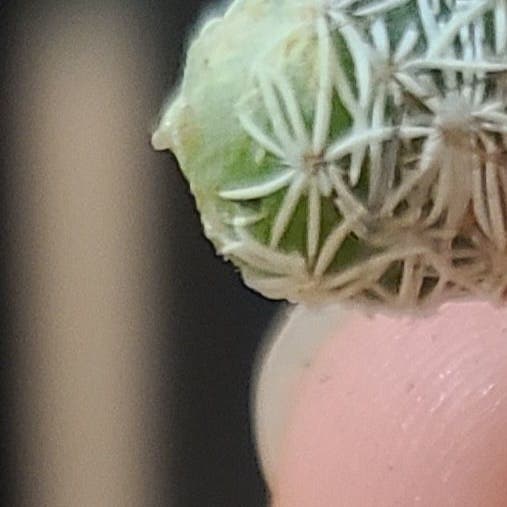
🌵 Chihuahuan Beehive Cactus Is Not an Annual
Coryphantha echinus
By the Greg Editorial Team
Sep 29, 2024•5 min read
This article was created with the help of AI so we can cover more plants for you. May contain errors. See one? Report it here.
Unlock the secrets of the Chihuahuan Beehive Cactus 🌵 and transform your garden with its remarkable resilience and beauty!
- 🌵 Chihuahuan Beehive Cactus is a perennial, thriving for decades, unlike annuals.
- 💧 Efficient water storage and CAM photosynthesis help it resist drought effectively.
- 🌞 Multiple blooms throughout life make it a long-term investment for gardeners.
Chihuahuan Beehive Cactus Characteristics
🧬 Genetic Characteristics
The Chihuahuan Beehive Cactus belongs to the Cactaceae family, showcasing its unique genetic makeup. This species has adapted remarkably to thrive in arid environments and withstand extreme temperatures.
Its longevity is impressive; this cactus can live for decades, highlighting its perennial nature. Such resilience makes it a fascinating subject for both gardeners and botanists alike.
🌱 Physiological Traits Supporting Perennial Classification
One of the standout features of the Chihuahuan Beehive Cactus is its water storage capabilities. Specialized tissues allow it to resist drought, ensuring survival even in harsh conditions.
Additionally, it employs Crassulacean Acid Metabolism (CAM) for photosynthesis, optimizing water use efficiently. This adaptation is crucial for thriving in environments where water is scarce.
🔄 Long-Term Lifecycle and Growth Patterns
The lifecycle of the Chihuahuan Beehive Cactus includes several stages: germination, juvenile, mature, and senescence. Each phase plays a vital role in its development and overall health.
Growth patterns are equally intriguing, with the cactus developing offsets and engaging in flowering cycles. During extreme heat or drought, it enters a dormant state, conserving energy until conditions improve.
This unique combination of genetic and physiological traits not only defines the Chihuahuan Beehive Cactus but also sets the stage for understanding its lifecycle in comparison to true annuals.
Lifecycle Comparison
Lifecycle vs. True Annuals 🌱
The Chihuahuan Beehive Cactus boasts a multi-year lifecycle, unlike true annuals that complete their life cycle in a single season. This cactus transitions through distinct stages: germination, juvenile, mature, and eventually senescence, allowing it to thrive over decades.
In contrast, annuals typically have a rapid growth cycle, reaching maturity in just a few months. The juvenile stage of the Chihuahuan Beehive Cactus is notably slow, reflecting its perennial nature and resilience.
Flowering and Seed Production Differences 🌸
When it comes to flowering, the Chihuahuan Beehive Cactus stands out. While annuals flower just once in their short lifespan, this cactus can bloom multiple times throughout its life, showcasing its adaptability.
Seed production also differs significantly. Perennials like the Chihuahuan Beehive Cactus have specialized mechanisms for seed dispersal and germination, ensuring their survival in challenging environments.
Environmental Factors Affecting Lifecycle Perception 🌍
Climate plays a crucial role in how we perceive the lifecycle of the Chihuahuan Beehive Cactus. Arid conditions can influence its growth and flowering patterns, sometimes leading to misconceptions about its longevity.
Additionally, environmental stressors can create misunderstandings about its lifecycle. A lack of visible growth during dormancy may lead some to mistakenly view it as an annual, overlooking its true perennial nature.
Understanding these factors helps clarify the cactus's remarkable resilience and adaptability. This knowledge sets the stage for appreciating its role in gardening and landscaping, which we will explore next.
Gardening Implications
🌱 Advantages of Planting as a Perennial
Planting the Chihuahuan Beehive Cactus offers a long-term investment for gardeners. Its sustainability means reduced replanting costs, making it a smart choice for those looking to create a resilient landscape.
This cactus thrives in challenging conditions, showcasing its ability to withstand drought and extreme temperatures. Its hardiness makes it an ideal candidate for low-maintenance gardens.
🎨 Garden Design Strategies Utilizing Its Perennial Nature
Incorporating the Chihuahuan Beehive Cactus into xeriscaping and desert gardens can enhance your landscape's aesthetic. Its unique shape and texture add visual interest while promoting water conservation.
Consider companion planting with other drought-resistant plants. This strategy not only maximizes space but also creates a harmonious ecosystem that supports diverse wildlife.
🌿 Tips for Maximizing Longevity in Garden Settings
To ensure optimal health, the Chihuahuan Beehive Cactus requires well-draining soil. This prevents root rot and promotes healthy growth.
Adopt deep, infrequent watering practices to encourage robust root development. This method mimics natural rainfall patterns, allowing the cactus to thrive.
Adjust your care routines based on seasonal changes. Understanding its dormancy periods will help you provide the right care at the right time, ensuring a flourishing garden year after year.
By embracing the Chihuahuan Beehive Cactus in your gardening endeavors, you not only enhance your landscape but also contribute to a more sustainable environment. Next, let’s explore common misconceptions surrounding this remarkable plant.
Common Misconceptions
Situations Where It May Be Mistaken for an Annual 🌵
Many people mistakenly view the Chihuahuan Beehive Cactus as an annual due to its growth patterns. Environmental stressors can lead to a perceived short lifespan, especially when the cactus appears dormant during extreme conditions.
This dormancy can create confusion, as the lack of visible growth may suggest the plant is struggling or dying. However, this is a natural phase, not an indication of its perennial nature.
Exceptions in Different Regions or Conditions 🌍
Regional climate variations significantly influence how the Chihuahuan Beehive Cactus is perceived. In harsher environments, the cactus may exhibit slower growth, further contributing to misconceptions about its lifecycle.
Improper care can also lead to misunderstandings. If the cactus doesn't receive adequate water or nutrients, it may not thrive, reinforcing the idea that it behaves like an annual.
Understanding these factors can help gardeners appreciate the true resilience and longevity of this remarkable plant. As we delve deeper into its lifecycle, we can better recognize its unique characteristics and gardening potential.
⚠️ Safety First
This content is for general information and may contain errors, omissions, or outdated details. It is not medical, veterinary advice, or an endorsement of therapeutic claims.
Always consult a qualified healthcare professional before using any plant as food, medicine, or supplement.
Never eat any plant (or feed one to pets) without confirming its identity with at least two trusted sources.
If you suspect poisoning, call Poison Control (800) 222-1222, the Pet Poison Helpline (800) 213-6680, or your local emergency service immediately.
Spotted an error? Please report it here.
Embrace the resilience of the Chihuahuan Beehive Cactus 🌵 with Greg's personalized care tips and watering reminders, ensuring it thrives for decades in your garden!