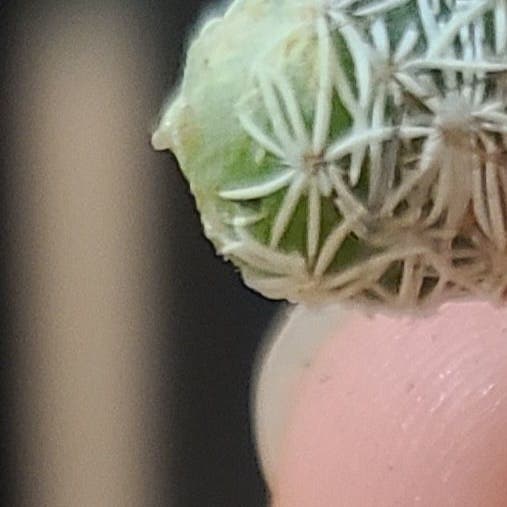
🌵 How to Cure Curling Leaves on Your Chihuahuan Beehive Cactus
Coryphantha echinus
By the Greg Editorial Team
Sep 29, 2024•7 min read
This article was created with the help of AI so we can cover more plants for you. May contain errors. See one? Report it here.
Revive your Chihuahuan beehive cactus from curling leaves 🌵 with these essential care tips for thriving growth! 🌱
- 🌡️ Maintain 70°F to 100°F to prevent curling leaves from temperature stress.
- 💧 Water every 2-4 weeks; adjust based on season to avoid over/underwatering.
- 🐛 Inspect regularly for pests like mealybugs to prevent damage and curling.
Causes of Curling Leaves
🌪️ Environmental Stress Factors
Environmental stress in cacti refers to adverse conditions that hinder their growth and health. Understanding these stressors is crucial for maintaining a thriving Chihuahuan beehive cactus.
Temperature Fluctuations
Cacti thrive in a specific temperature range, ideally between 70°F and 100°F (21°C to 38°C). Sudden changes can shock the plant, leading to curling leaves.
Humidity Levels
Low humidity is essential for cacti, as high moisture can promote fungal diseases. Keeping humidity levels below 50% helps prevent stress.
Air Circulation
Good air circulation is vital for healthy growth. It prevents stagnant air, which can lead to mold and other issues that stress the plant.
💧 Watering Issues
Overwatering
Overwatering is a common mistake that can lead to yellowing and mushy leaves. Root rot often follows, making it crucial to adjust your watering habits.
- Ideal Frequency: Water your cactus every 2-4 weeks, depending on the season and environmental conditions.
Underwatering
Underwatering can cause wrinkled, shriveled leaves, signaling dehydration. If your cactus feels firm but discolored, it’s time to reassess your watering routine.
🐜 Pest Infestation
Common Pests
Pests like mealybugs and spider mites can wreak havoc on your cactus.
- Mealybugs: Look for cotton-like clusters on leaves.
- Spider Mites: Check for fine webbing and stippled leaves.
These pests exacerbate stress, leading to further curling of leaves.
🥦 Nutrient Deficiencies
Cacti require essential nutrients like nitrogen, phosphorus, and potassium for optimal health.
- Symptoms: Stunted growth and discoloration can indicate a nutrient deficiency.
- Balanced Fertilization: Regularly fertilizing with a balanced cactus mix helps prevent these issues.
☀️ Sunburn and Light Exposure
Cacti need bright, indirect sunlight for healthy growth.
- Symptoms of Sunburn: Look for bleached or scorched areas on the leaves.
- Acclimatization: Gradually introducing your cactus to sunlight can prevent sunburn.
Understanding these causes of curling leaves will help you take proactive steps in caring for your Chihuahuan beehive cactus. Next, we’ll explore how to diagnose these curling leaves effectively.
Diagnosing Curling Leaves
Identifying Symptoms 🌿
Curling leaves on your Chihuahuan beehive cactus can signal various issues. Look for visual cues like inward curling, which often indicates environmental stress, while outward curling may suggest pest problems.
Understanding the type of curl is crucial. Environmental stress typically presents with a more uniform curl, while pest-related damage might show uneven patterns or additional signs like discoloration.
Assessing Environmental Conditions 🌡️
Start by checking the temperature and humidity levels around your cactus. Use a thermometer and hygrometer to ensure conditions fall within the ideal range for cacti.
Air circulation is another vital factor. Good airflow helps prevent mold and pests, promoting healthier growth.
Checking Soil Moisture Levels 💧
Assessing soil moisture is key to diagnosing curling leaves. Use the finger test—insert your finger into the soil up to the second knuckle to gauge moisture levels.
Alternatively, a moisture meter can provide a more accurate reading. Aim for a moisture range that allows the soil to dry out between waterings.
Inspecting for Pests 🐜
Regular inspections for pests can save your cactus from further damage. Conduct visual checks for common pests like mealybugs or spider mites, looking for webbing or sticky residue.
Sticky traps can also help catch pests early. If you spot visible insects or signs of damage, it’s time to take action.
By carefully diagnosing the symptoms and conditions affecting your cactus, you can pinpoint the cause of curling leaves. This understanding sets the stage for effective treatment solutions, ensuring your cactus thrives once again.
Treatment Solutions
Adjusting Watering Practices 🌊
Proper watering is crucial for your Chihuahuan beehive cactus. Aim to water when the top inch of soil feels dry, typically every two to three weeks during the growing season.
Watch for signs of distress. If leaves appear yellow or mushy, you may be overwatering. Conversely, if they look wrinkled or shriveled, it’s time to increase your watering frequency.
Improving Soil Drainage 🏞️
Well-draining soil is essential to prevent root rot. A mix of cactus soil, perlite, and sand will provide the aeration and drainage your cactus needs.
This combination allows excess water to escape while retaining just enough moisture for healthy growth. Always prioritize drainage to keep your cactus thriving.
Pest Control Methods 🐜
Pests can wreak havoc on your cactus, so proactive measures are key. Organic options like neem oil and insecticidal soap are effective and safe for your plant.
If infestations persist, consider chemical treatments as a last resort. Always follow the instructions carefully to avoid harming your cactus.
Nutrient Supplementation 🌱
Fertilizing your cactus can boost its health and resilience. Use a balanced fertilizer specifically designed for cacti, applying it every four to six weeks during the growing season.
Be mindful not to over-fertilize, as this can lead to nutrient burn. A little goes a long way in keeping your cactus vibrant.
Providing Optimal Light Conditions ☀️
Light exposure is vital for your cactus's well-being. Ideally, place it in a location with bright, indirect sunlight to prevent sunburn.
If your cactus is getting too much direct light, consider using shade cloths or filters. This simple adjustment can make a significant difference in its health.
By implementing these treatment solutions, you can help your Chihuahuan beehive cactus recover from curling leaves and thrive in its environment. Next, let’s explore preventive measures to ensure long-term health and vitality.
Preventive Measures
Best Practices for Watering 🌊
Establishing a consistent watering schedule is crucial for your Chihuahuan beehive cactus. Adjust your frequency based on seasonal changes; during the growing season, water more often, while in winter, reduce it significantly.
To ensure proper drainage, always use pots with drainage holes. Consider elevating the pot slightly to allow excess water to escape freely.
Ideal Soil Mix 🌱
A well-draining soil mix is essential for cactus health. Combine cactus mix, perlite, and sand to create an ideal blend that promotes drainage and aeration.
The texture of the soil affects root health significantly. A gritty mix prevents water retention, which can lead to root rot.
Regular Pest Inspections 🔍
Conduct monthly pest inspections to catch any infestations early. Look for common signs like webbing, sticky residue, or visible insects on your cactus.
Regular checks can save your plant from severe damage. Early detection is key to maintaining a healthy cactus.
Seasonal Care Adjustments 🌦️
Adjust your care practices according to the seasons. In summer, ensure your cactus gets enough light, while in winter, reduce exposure to prevent stress.
Monitoring conditions throughout the year is vital. Changes in temperature and humidity can affect your cactus's health.
Monitoring Environmental Conditions 📊
Utilize tools like thermometers and hygrometers to keep track of your cactus's environment. Regular monitoring helps you maintain optimal conditions for growth.
Keeping a log of changes and plant responses can provide valuable insights. This practice allows you to adjust care as needed, ensuring your cactus thrives.
With these preventive measures in place, you'll be well-equipped to keep your Chihuahuan beehive cactus healthy and vibrant. Next, let’s explore common misconceptions that could hinder your cactus care journey.
Common Misconceptions
💧 Myths about Watering
Many people believe that cacti never need water, but this is a dangerous myth. While they are drought-tolerant, they still require a careful balance of moisture to thrive.
Overwatering can lead to root rot, while underwatering can cause wrinkled leaves. Understanding this balance is crucial for maintaining a healthy Chihuahuan Beehive Cactus.
🐛 Misunderstanding Leaf Curl Causes
It's essential to differentiate between stress and pest damage when diagnosing curling leaves. Stress can stem from environmental factors, while pests like mealybugs can exacerbate the issue.
Proper diagnosis is vital before treatment. Misidentifying the cause can lead to ineffective solutions and further stress for your cactus.
🌵 Overgeneralizing Care
Not all cacti have the same care requirements, and this misconception can lead to problems. Each species, including the Chihuahuan Beehive Cactus, has unique needs that must be met for optimal health.
Understanding these specific requirements ensures your cactus thrives. Tailoring your care approach will make a significant difference in its overall well-being.
As we move forward, let's explore how to prevent these misconceptions from affecting your cactus care routine.
⚠️ Safety First
This content is for general information and may contain errors, omissions, or outdated details. It is not medical, veterinary advice, or an endorsement of therapeutic claims.
Always consult a qualified healthcare professional before using any plant as food, medicine, or supplement.
Never eat any plant (or feed one to pets) without confirming its identity with at least two trusted sources.
If you suspect poisoning, call Poison Control (800) 222-1222, the Pet Poison Helpline (800) 213-6680, or your local emergency service immediately.
Spotted an error? Please report it here.
Keep your Chihuahuan beehive cactus thriving 🌱 by using Greg's tailored reminders and moisture tracking to master its unique care needs and prevent curling leaves!