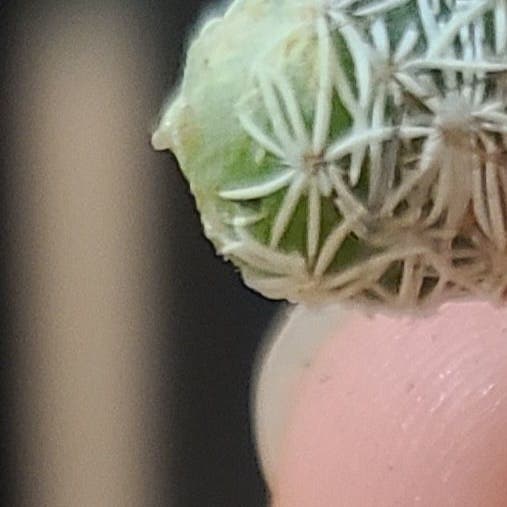
🌵 When and Where to Prune Your Chihuahuan Beehive Cactus
Coryphantha echinus
By the Greg Editorial Team
Sep 29, 2024•6 min read
This article was created with the help of AI so we can cover more plants for you. May contain errors. See one? Report it here.
Transform your Chihuahuan beehive cactus 🌵 into a thriving beauty with these essential pruning tips!
- ✂️ Use sharp tools and gloves to safely prune your Chihuahuan beehive cactus.
- 🌱 Spring is the best time for rejuvenation; avoid winter pruning to prevent stress.
- 🔍 Look for dead areas and overcrowding as signs that pruning is needed.
Tools Needed for Effective Pruning
When it comes to pruning your Chihuahuan beehive cactus, having the right tools is essential. Each tool plays a crucial role in ensuring a clean, safe, and effective pruning process.
✂️ Pruning Shears
Sharp, clean pruning shears are your best friend. They allow for precise cuts that promote healing and minimize damage to the plant.
🧤 Gloves
Don't underestimate the importance of gloves. They protect your hands from the cactus's spines and potential injuries, making the process safer and more comfortable.
🔧 Tongs or Long-Handled Tools
For larger sections, tongs or long-handled tools are invaluable. They help you handle heavy or awkward pieces without risking injury.
🧼 Disinfectant
Cleaning your tools is a must. Use a disinfectant before and after pruning to prevent the spread of diseases that could harm your cactus.
Equipping yourself with these tools sets the stage for a successful pruning session. With the right gear, you're ready to dive into the step-by-step pruning process.
Step-by-Step Pruning Process
Pruning your Chihuahuan beehive cactus is essential for its health and appearance. Follow these steps to ensure you do it effectively and safely.
1. Assess the Cactus 🧐
Start by examining your cactus for any dead or damaged areas. Look for discoloration, shriveling, or signs of rot.
2. Clean Your Tools 🧼
Before you begin, disinfect your pruning tools. This step is crucial to prevent the spread of disease.
3. Gear Up Safely 🧤
Put on your gloves to protect your hands from spines. Position yourself comfortably to avoid any awkward movements while pruning.
4. Make the Cuts ✂️
When cutting, aim for a 45-degree angle. This technique promotes healing and minimizes the risk of infection.
5. Clear the Area 🧹
After pruning, remove any debris from around the base of the cactus. This helps maintain a clean environment and prevents pests.
By following these steps, you'll ensure your cactus remains healthy and vibrant. Next, let’s explore the best timing for pruning to maximize your plant's growth potential.
Timing for Pruning
Best Seasons for Pruning 🌸
Spring is the prime time for pruning your Chihuahuan beehive cactus. This season encourages rejuvenation and promotes new growth, making it the perfect opportunity to refresh your plant.
Fall is another suitable time for maintenance. Pruning in the fall prepares your cactus for dormancy, ensuring it enters the winter months healthy and strong.
Signs That Indicate When to Prune 👀
Keep an eye out for dead or shriveled sections on your cactus. These are clear indicators that it's time to prune.
Overcrowding of spines or growth can also signal the need for a trim. Additionally, look for signs of disease or pest damage, which necessitate immediate action.
Effects of Pruning at the Wrong Time ⏰
Pruning in winter can stress your cactus and inhibit its growth. The plant is in a dormant state, making it less resilient to cuts.
On the other hand, spring pruning too early may expose tender new growth to frost. Timing is crucial to ensure your cactus thrives post-pruning.
By understanding the best times to prune and recognizing the signs that indicate when to do so, you can help your Chihuahuan beehive cactus flourish. Next, let’s explore where to prune for optimal results.
Where to Prune
🕵️♂️ Identifying Areas to Prune
When pruning your Chihuahuan beehive cactus, start by inspecting it closely. Look for signs of discoloration, shriveling, or rot, which indicate areas that need attention.
Focus on sections with excessive spines or overcrowding. These areas can hinder growth and light access, making them prime candidates for pruning.
✂️ Techniques for Cutting Without Harming the Plant
Using sharp tools is essential to avoid tearing the cactus's flesh. Clean cuts help the plant heal more efficiently and reduce the risk of infection.
Always cut just above healthy tissue. This encourages regrowth and ensures the cactus remains robust and vibrant.
🌱 How to Shape the Cactus for Optimal Growth
Aim for a balanced shape by removing uneven growth. This not only enhances the cactus's appearance but also promotes better light distribution.
While shaping, maintain the natural beehive form. This ensures your cactus thrives and continues to grow healthily.
Pruning effectively sets the stage for your cactus's future health. Next, let’s explore the importance of deadheading and how it can further enhance your plant's vitality.
Common Pruning Mistakes
✂️ How to Avoid Over-Pruning
Pruning can be a delicate balance. To keep your Chihuahuan beehive cactus healthy, limit your cuts to no more than 20% of the plant at a time.
Focus on specific areas that need attention rather than doing a general trim. This targeted approach helps maintain the plant's overall health and aesthetic.
🚨 Recognizing Signs of Stress in the Cactus Post-Pruning
After pruning, watch for signs of stress in your cactus. Wilting or discoloration of remaining sections can indicate that you've gone too far.
Increased susceptibility to pests or diseases is another red flag. If your cactus seems more vulnerable than usual, it may be time to reassess your pruning technique.
By being mindful of these common mistakes, you can ensure your cactus thrives and continues to flourish. Next, let’s explore how to care for your cactus after pruning to support its recovery.
Post-Pruning Care
🌵 How to Care for the Cactus After Pruning
After pruning, it's crucial to water your Chihuahuan beehive cactus sparingly. Allow the soil to dry out completely to prevent rot, which can be detrimental to your plant's health.
Avoid fertilizing immediately after pruning. This helps reduce stress on the cactus, allowing it to focus on healing and regrowth.
🐜 Monitoring for Pests or Diseases Post-Pruning
Keep a close eye on your cactus for any signs of pests, such as mealybugs or scale. Early detection is key to preventing infestations that can harm your plant.
Additionally, watch for discoloration or unusual growth patterns. These can indicate underlying issues that need your attention.
🔍 Reassessing the Plant's Health After a Few Weeks
After a few weeks, take time to observe new growth and the overall vigor of your cactus. This will give you insight into how well it’s recovering from the pruning process.
Adjust your care routines based on the cactus's recovery and health status. A little attention now can lead to a thriving plant in the long run.
With proper post-pruning care, your cactus will flourish, setting the stage for the next section on common pruning mistakes.
⚠️ Safety First
This content is for general information and may contain errors, omissions, or outdated details. It is not medical, veterinary advice, or an endorsement of therapeutic claims.
Always consult a qualified healthcare professional before using any plant as food, medicine, or supplement.
Never eat any plant (or feed one to pets) without confirming its identity with at least two trusted sources.
If you suspect poisoning, call Poison Control (800) 222-1222, the Pet Poison Helpline (800) 213-6680, or your local emergency service immediately.
Spotted an error? Please report it here.
Transform your Chihuahuan beehive cactus into a stunning centerpiece with Greg's expert pruning tips 🌵, ensuring you prune at the right time and with the right techniques for optimal health and growth!