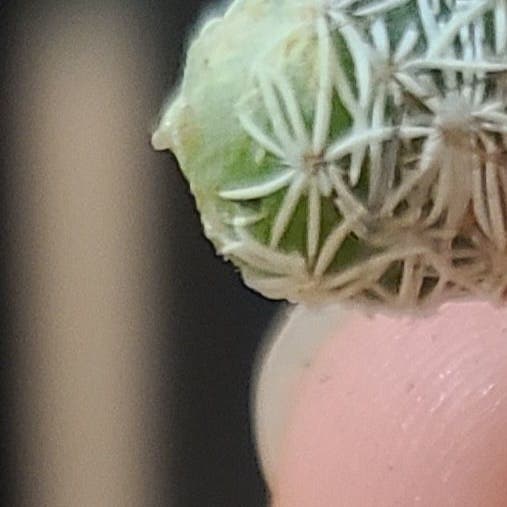
🌵 Light Requirements For Your Chihuahuan Beehive Cactus
Coryphantha echinus
By the Greg Editorial Team
Sep 29, 2024•4 min read
This article was created with the help of AI so we can cover more plants for you. May contain errors. See one? Report it here.
Master the light needs of your Chihuahuan Beehive Cactus 🌵 for vibrant growth and stunning blooms all year round!
- 🌞 Chihuahuan Beehive Cactus needs 6-8 hours of direct sunlight daily for optimal health.
- 💡 Bright, indirect light indoors is ideal; position near south or west-facing windows.
- 🌱 Monitor for light stress signs like yellowing leaves to ensure healthy growth.
Optimal Light Conditions
Indoor Lighting 🌞
For your Chihuahuan Beehive Cactus, the ideal indoor lighting conditions involve bright, indirect light for several hours each day. Positioning your cactus near south or west-facing windows will provide the best results.
Outdoor Lighting ☀️
When it comes to outdoor lighting, your cactus thrives in full sun, requiring a minimum of 6-8 hours of direct sunlight daily. While it can tolerate partial shade, full sun is essential for its optimal health and vibrant growth.
By ensuring your cactus receives the right light conditions, you set the stage for a thriving plant. Next, let's explore how to measure light intensity and the duration of light exposure for your cactus.
Light Intensity and Duration
📏 Measuring Light Intensity
Bright light is crucial for the health of your Chihuahuan beehive cactus. Without it, your cactus may struggle to thrive and grow.
To ensure your cactus receives adequate light, consider using tools like light meters or smartphone apps. These devices can help you gauge the intensity of light in your chosen location.
⏳ Duration of Light Exposure
During the growing season, aim for your cactus to receive 12-14 hours of light each day. This duration is key to promoting healthy growth and vibrant blooms.
As seasons change, be prepared to adjust the light exposure. Your cactus may enter dormancy in winter, requiring less light than during its active growing phase.
Seasonal Adjustments
🌦️ Seasonal Variations
As the seasons change, so do daylight hours, which directly impacts the light availability for your Chihuahuan beehive cactus. During winter, when days are shorter, it’s crucial to adjust your plant's indoor placement by moving pots closer to windows to maximize exposure to natural light.
👀 Monitoring Plant Response
Keep a close eye on your cactus for signs of too much or too little light. Yellowing leaves or stretching towards the light can indicate inadequate exposure, while browning or scorched areas may signal too much sun.
Adjust your care routine based on these seasonal light changes to ensure your cactus thrives year-round. By being attentive to its needs, you can help your plant flourish, even as the seasons shift.
Indoor Lighting Solutions
🌱 Using Grow Lights
Grow lights are a game changer for your Chihuahuan beehive cactus, especially if natural light is scarce. They supplement sunlight, ensuring your cactus thrives even in dim conditions.
When it comes to types of grow lights, you have two main options: LED and fluorescent. LEDs are energy-efficient and long-lasting, making them a popular choice, while fluorescent lights are often more affordable but may need replacing sooner.
💡 Placement Strategies
For optimal growth, position your grow lights near windows, ensuring they’re unobstructed by furniture or curtains. This maximizes the light your cactus receives.
Don’t forget to rotate your plants regularly. This simple step ensures that all sides of your cactus get equal exposure, promoting balanced growth and preventing any lopsidedness.
With the right lighting solutions, your Chihuahuan beehive cactus will flourish, setting the stage for vibrant blooms and healthy growth. Next, let’s explore how light influences flowering in these unique plants.
Light and Flowering
🌞 Role of Light in Flowering
Bright, direct sunlight is crucial for triggering the blooming cycles of your Chihuahuan beehive cactus. Without adequate light, your cactus may struggle to produce those beautiful flowers that make it so special.
👀 Monitoring Plant Health
Keep an eye on your cactus for signs of stress, which can indicate inadequate light. Yellowing leaves or stunted growth are red flags that your plant might not be getting enough sun during its blooming period.
By ensuring your cactus receives the right amount of light, you can enjoy a vibrant display of blooms. Next, let’s explore how to create optimal indoor lighting solutions to support your cactus's growth.
⚠️ Safety First
This content is for general information and may contain errors, omissions, or outdated details. It is not medical, veterinary advice, or an endorsement of therapeutic claims.
Always consult a qualified healthcare professional before using any plant as food, medicine, or supplement.
Never eat any plant (or feed one to pets) without confirming its identity with at least two trusted sources.
If you suspect poisoning, call Poison Control (800) 222-1222, the Pet Poison Helpline (800) 213-6680, or your local emergency service immediately.
Spotted an error? Please report it here.
Keep your Chihuahuan Beehive Cactus thriving in the light 🌞 by using Greg's smart monitoring tools to ensure it gets the perfect exposure for optimal growth!