🦔 What's Eating Your Lace Hedgehog Cactus
Echinocereus reichenbachii
By the Greg Editorial Team
Oct 02, 2024•7 min read
This article was created with the help of AI so we can cover more plants for you. May contain errors. See one? Report it here.
Uncover the Lace Hedgehog Cactus's charm 🌵 and its vital role in supporting wildlife and biodiversity in your garden!
- 🌵 Lace Hedgehog Cactus attracts herbivores, impacting its health and ecosystem role.
- 🦌 Deer and rabbits can damage cacti, but also aid in seed dispersal.
- 🛡️ Effective deterrents like repellents and fencing protect cacti from wildlife threats.
Description and Appeal
Appearance and Unique Features 🌵
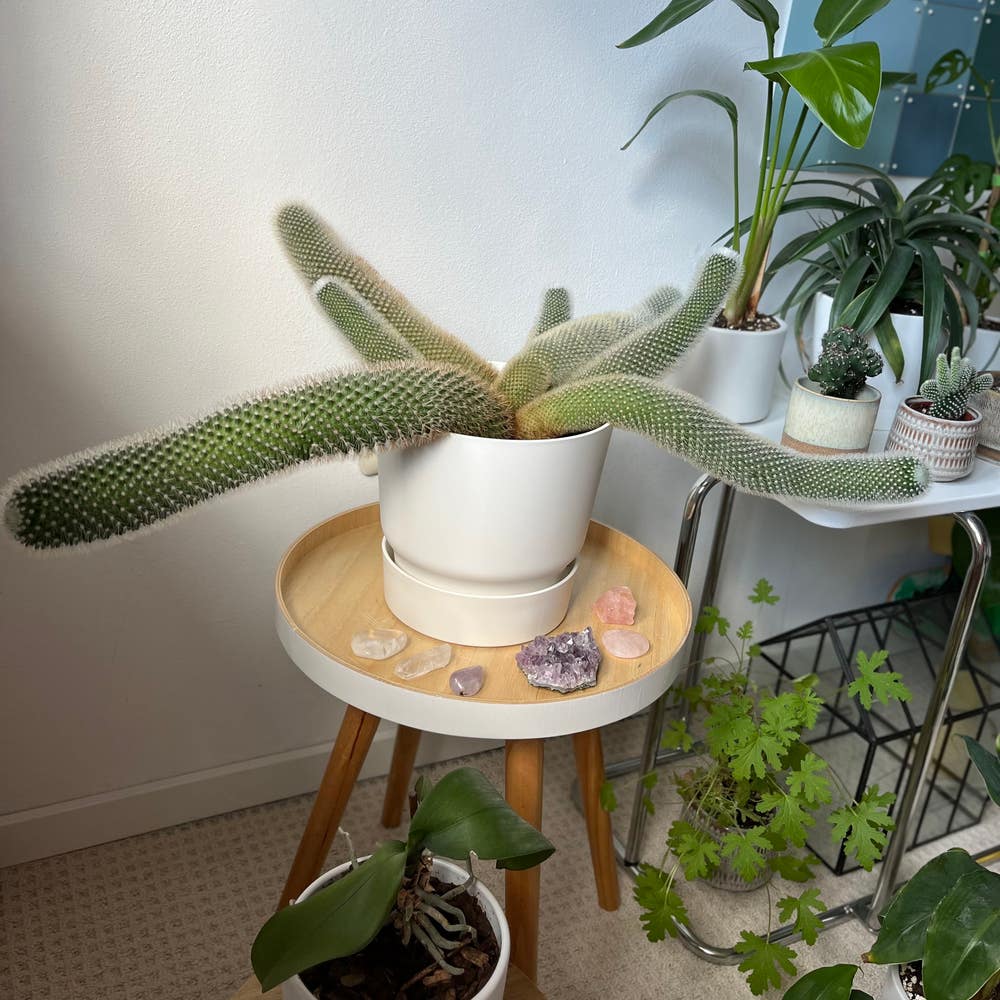
The Lace Hedgehog Cactus is a stunning sight, characterized by its cylindrical stems that rise proudly from the ground. These stems are often adorned with vibrant flowers, creating a striking contrast against the spiny exterior that serves as a natural defense mechanism.
Most Appealing Parts to Animals 🐾
Young shoots of the cactus are particularly enticing, offering a tender and nutritious snack for various herbivores. The fruits, sweet and juicy, attract a range of animals, while the bright flowers draw in pollinators and foragers alike, making the cactus a hub of activity in its ecosystem.
This unique combination of features not only enhances the cactus's appeal but also plays a crucial role in its interactions with wildlife. Understanding these dynamics can help gardeners appreciate the delicate balance between beauty and biodiversity in their gardens.
As we explore the common herbivores that interact with the Lace Hedgehog Cactus, it becomes clear how these relationships can impact both the plant and its surrounding environment.
Common Herbivores and Their Impact
🦌 Deer
Signs of presence and damage caused
Deer can be a significant threat to your Lace Hedgehog Cactus. Look for hoof prints near the cactus and stripped leaves or young shoots as clear signs of their browsing.
Beneficial vs. harmful interactions
While deer generally harm cactus populations by decimating them, they can also play a beneficial role by aiding in seed dispersal. This duality makes their presence both a challenge and an opportunity.
Deterrent methods (difficulty: moderate)
To keep deer at bay, consider using commercial chemical repellents. Alternatively, organic deterrents like garlic spray, human hair, or soap shavings can be effective and eco-friendly options.
🐇 Rabbits
Signs of presence and damage caused
Rabbits leave their mark with small, round droppings near the cactus and clean gnaw marks on young shoots. These signs indicate that your cactus is a tasty target.
Beneficial vs. harmful interactions
Rabbits are generally harmful to young plants, causing severe damage. However, they also serve as prey for larger predators, contributing to the ecosystem's balance.
Deterrent methods (difficulty: easy)
Bitter-tasting chemical repellents can deter rabbits effectively. You might also consider fencing or planting rabbit-resistant plants nearby for a more organic approach.
🐿️ Squirrels
Signs of presence and damage caused
Squirrels can disrupt your cactus with disturbed soil around its base and chewed stems from their feeding. These signs indicate they’re taking advantage of your plant's tender shoots.
Beneficial vs. harmful interactions
While squirrels generally weaken the plant, they can also help with seed dispersal. This makes them a mixed bag in terms of their impact on your cactus.
Deterrent methods (difficulty: moderate)
Capsaicin-based sprays are a popular choice for deterring squirrels. You can also use motion-activated sprinklers or noise devices to keep them away.
🐦 Birds
Signs of presence and damage caused
Birds may leave small peck marks on the cactus surface and sometimes use it for nesting. Their presence can be both charming and damaging.
Beneficial vs. harmful interactions
Birds are generally beneficial as they assist in pollination and seed dispersal. However, they can also harm flowers and fruits, creating a complex relationship with your cactus.
Deterrent methods (difficulty: easy)
Non-toxic bird deterrents can help manage their presence. Additionally, reflective tape or scare devices can be effective in keeping them at a distance.
🐭 Rodents (mice, voles, etc.)
Signs of presence and damage caused
Rodents often leave small burrows near the cactus and chewed roots below the soil. These signs indicate they are feeding on your plant, which can be detrimental.
Beneficial vs. harmful interactions
Rodents generally cause significant damage to the cactus. However, they also serve as prey for larger predators, playing a role in the food web.
Deterrent methods (difficulty: hard)
For rodent control, consider using bait stations with chemical repellents. Alternatively, traps or introducing natural predators like cats can provide a more organic solution.
Understanding the impact of these common herbivores on your Lace Hedgehog Cactus is crucial for effective management. By employing the right deterrent methods, you can protect your cactus while maintaining a balanced ecosystem. Next, let’s explore the beneficial animals that also play a role in the health of your garden.
Beneficial Animals and Ecosystem Roles
🐝 Attracting Pollinators
The Lace Hedgehog Cactus is a magnet for beneficial animals, particularly pollinators like bees and butterflies. These creatures are drawn to the vibrant flowers, playing a crucial role in the plant's reproduction.
🐦 Seed Dispersers
Birds and small mammals also find the cactus appealing. They help in seed dispersal, ensuring the propagation of the species across various landscapes.
🌱 Enhancing Biodiversity
The presence of these beneficial animals enhances biodiversity in your garden. A diverse ecosystem is more resilient and can better withstand environmental changes.
🌍 Supporting Food Webs
These interactions support food webs and maintain ecological balance. Pollinators and seed dispersers contribute to a thriving environment where various species can coexist harmoniously.
📝 Conclusion
Understanding the roles of these beneficial animals not only enriches your gardening experience but also fosters a deeper appreciation for nature. As we protect the Lace Hedgehog Cactus, we also nurture the ecosystem that surrounds it, creating a vibrant, interconnected world.
General Strategies for Protection
🛡️ Preventive Measures for Protecting Lace Hedgehog Cactus
To safeguard your Lace Hedgehog Cactus, consider installing fencing. Barriers can effectively deter larger herbivores like deer and rabbits from munching on your precious plants.
Companion planting is another smart strategy. By incorporating plants that repel herbivores, you can create a natural defense system around your cactus.
⚠️ Reactive Solutions for Managing Animal Interactions
Regular monitoring is crucial. Keep an eye out for signs of damage, such as chewed stems or disturbed soil, to catch issues early.
When you notice any signs of trouble, don’t hesitate to take immediate action. Employ deterrents like sprays or traps to protect your cactus from further harm.
🌱 Balancing Ecosystem Health While Protecting the Cactus
Understanding the role of herbivores in the ecosystem is essential. While they can pose a threat to your cactus, they also contribute to the overall health of the environment.
Implementing integrated pest management strategies can help you strike a balance. This approach allows you to protect your cactus while maintaining a thriving ecosystem around it.
By following these strategies, you can enjoy the beauty of your Lace Hedgehog Cactus while minimizing the impact of herbivores. Next, let’s explore the seasonal considerations that affect animal interactions with your cactus.
Seasonal Considerations
🐾 Seasonal Variations in Animal Attraction
As the seasons change, so does the activity around your Lace Hedgehog Cactus. In spring, animals emerge from hibernation, leading to increased foraging as they seek out tender shoots and nutritious flowers.
By summer, the cactus reaches its peak flowering and fruiting stages. This vibrant display attracts a variety of herbivores, eager to indulge in the sweet fruits and colorful blooms.
🌸 Timing of Flowering and Fruiting
The timing of flowering is crucial for attracting both pollinators and herbivores. During flowering periods, bees and butterflies flock to the cactus, enhancing pollination and ensuring future fruit production.
When the cactus fruits, competition for food sources intensifies. Herbivores, drawn by the juicy offerings, may pose a threat to the plant's health, making it essential to monitor their activity closely.
Understanding these seasonal dynamics can help you protect your cactus while appreciating the vibrant life it supports. As you navigate these changes, consider how to balance the needs of your garden with the natural behaviors of local wildlife.
Toxicity and Safety
Mild Toxicity in Herbivores 🌿
The Lace Hedgehog Cactus can pose mild toxicity risks to certain herbivores. Symptoms may include gastrointestinal upset, which can be concerning for pet owners and wildlife enthusiasts alike.
Understanding Risks and Benefits ⚖️
While some animals may experience adverse effects, others benefit from consuming the cactus. It's essential to recognize the dual nature of these interactions, as they can impact local ecosystems.
Educating Gardeners 📚
Gardeners should be aware of these potential risks. Educating oneself about safe practices can help mitigate any negative effects while still enjoying the beauty of the Lace Hedgehog Cactus in your garden.
Conclusion 📝
Understanding the toxicity and safety of the Lace Hedgehog Cactus is crucial for maintaining a healthy garden ecosystem. By being informed, you can foster a thriving environment for both plants and animals.
Next, we’ll explore the beneficial animals that interact with this unique cactus and their vital roles in the ecosystem.
⚠️ Safety First
This content is for general information and may contain errors, omissions, or outdated details. It is not medical, veterinary advice, or an endorsement of therapeutic claims.
Always consult a qualified healthcare professional before using any plant as food, medicine, or supplement.
Never eat any plant (or feed one to pets) without confirming its identity with at least two trusted sources.
If you suspect poisoning, call Poison Control (800) 222-1222, the Pet Poison Helpline (800) 213-6680, or your local emergency service immediately.
Spotted an error? Please report it here.
Keep your Lace Hedgehog Cactus thriving and wildlife-safe 🌵 with Greg's personalized care reminders and effective deterrent strategies from this guide!