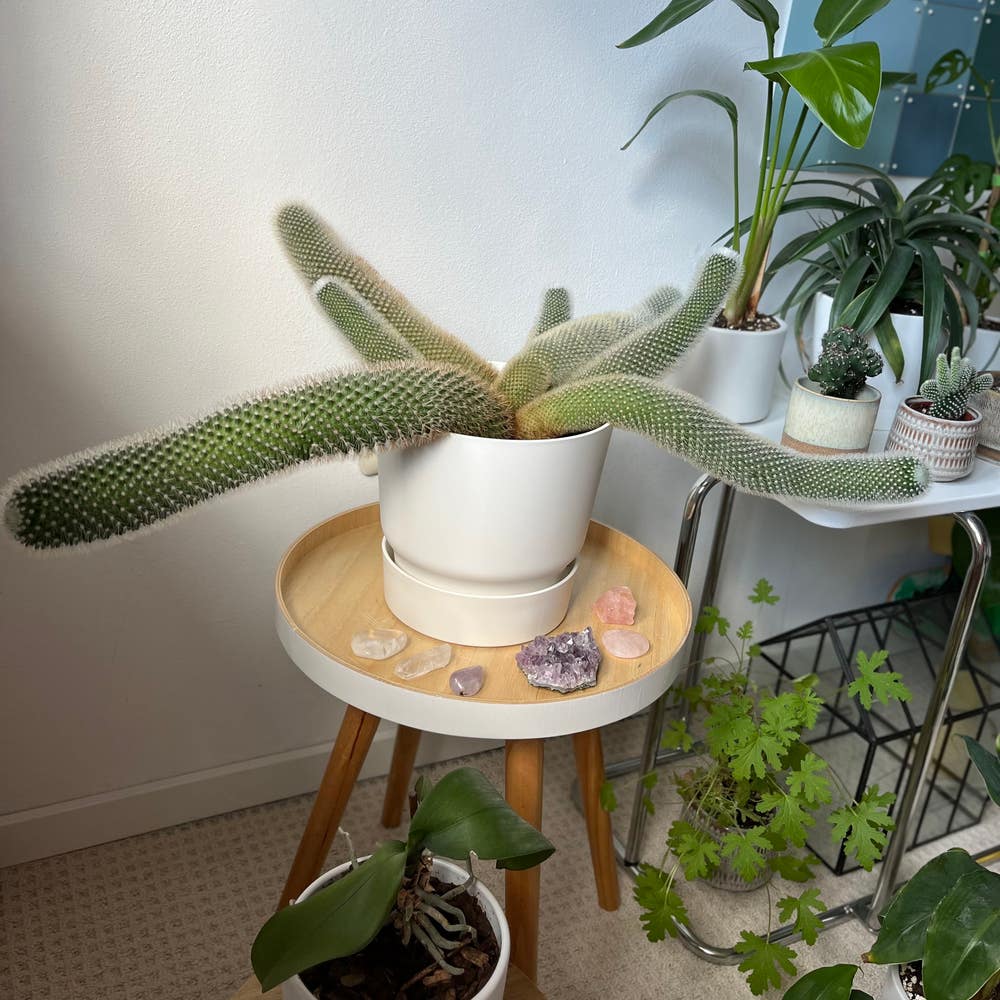
🌵 What Do Lace Hedgehog Cactus Flowers Mean?
Echinocereus reichenbachii
By the Greg Editorial Team
Jun 08, 2024•4 min read
This article was created with the help of AI so we can cover more plants for you. May contain errors. See one? Report it here.
Decode the Lace Hedgehog Cactus's blooms 🌸—a vibrant sign of health and your ultimate guide to perfect plant care.
- 🌵 Lace Hedgehog Cactus flowers mean resilience, symbolizing plant's health.
- 💡 Bright, indirect light and warm temperatures trigger blooming.
- 🌺 Proper soil, water, and nutrients are crucial for spectacular blooms.
Decoding the Blooms: What Flowers Signal
🌺 The Language of Flowers
In the tapestry of plant symbolism, Lace Hedgehog Cactus flowers are more than just a pretty face. They carry a hidden lexicon—a nod to resilience and adaptation. Blooms may unfurl with messages of warmth, protection, and even motherly love, echoing sentiments of life's tenacity.
🌿 A Sign of Health and Vigor
Blooming is the Lace Hedgehog Cactus's way of flexing its health. Vibrant flowers signify a well-tended plant, basking in the right mix of care and environment. But watch out—flowers aren't a panacea. They can't mask issues like pests or diseases, so keep your care game strong.

The Secrets to Sparking a Flower Show
🌟 Light: The Ultimate Flower Power
Bright, indirect light is the Lace Hedgehog Cactus's best friend when it comes to blooming. It's like the cactus is a bit of a diva, needing that perfect lighting to perform. Positioning is key; too close and you risk a sunburn, too far and it's all mood lighting with no action. Aim for that sweet spot where the light is bright but not direct, and watch for signs of the cactus gearing up for its floral number.
🌡️ Temperature: The Warmth to Wake the Buds
Temperature is the backstage cue for the Lace Hedgehog Cactus to start its blooming gig. Think of it as the plant's internal thermostat that says, "It's showtime!" when the conditions are just right. Cooler temperatures often signal the cactus to begin the blooming process, so a slight dip in the mercury can be the nudge it needs. But remember, it's not about hitting a single cold note; it's the gradual change that gets the cactus in the mood to bloom.
💧 Soil and Water: The Foundation of Flourishing
The soil is the stage and water the special effects for a Lace Hedgehog Cactus's blooming show. A well-draining mix is the ticket to preventing root rot, which is basically the villain in our flower show. Watering should be like a well-rehearsed act—consistent but not overdone. Overwatering is like a flood on stage, and nobody wants that. Keep it balanced, and you'll set the scene for an encore-worthy bloom.

Nurturing for Blooms: Care Tips
💐 Feeding for Flowers
To ignite a flower show in your Lace Hedgehog Cactus, think of fertilizers as a backstage crew, setting the scene for the stars to shine. Phosphorus is your lead actor here, so scout for a fertilizer with a higher ratio of this bloom-boosting nutrient, something like 10-30-20. But remember, moderation is key; overdoing it with fertilizer is like an overzealous director that can stifle the performance, leading to lush leaves but no flowers.
✂️ Pruning for Potency
Pruning is not just about snipping away; it's strategic sculpting. Post-pruning is the perfect time to fertilize, giving your cactus a pep talk to channel its energy into blooming. Keep your plant's surroundings tidy, free of dead leaves and spent flowers. It's not just about cleanliness; it's about setting the stage for growth. Prune to shape and allow sunlight to embrace each part of your plant, ensuring no energy is wasted on stragglers.

When Flowers Speak: Interpreting Flowering Patterns
🌸 Reading the Rhythms
Regular blooming cycles are like a green thumbs-up; they signal your Lace Hedgehog Cactus is living its best life. Irregular patterns, however, might be the plant's cry for help, hinting at possible care missteps or environmental stress.
🎆 Longevity and Repeat Performances
Expect a firework display of flowers, brief yet spectacular. Blooms may last from days to weeks, with the potential for multiple showings if conditions are just right. Remember, frequency and duration are as much about the cactus's care as they are about its inherent nature.
⚠️ Safety First
This content is for general information and may contain errors, omissions, or outdated details. It is not medical, veterinary advice, or an endorsement of therapeutic claims.
Always consult a qualified healthcare professional before using any plant as food, medicine, or supplement.
Never eat any plant (or feed one to pets) without confirming its identity with at least two trusted sources.
If you suspect poisoning, call Poison Control (800) 222-1222, the Pet Poison Helpline (800) 213-6680, or your local emergency service immediately.
Spotted an error? Please report it here.
Unlock the spectacular blooms 🌵 of your Lace Hedgehog Cactus with Greg's tailored care reminders for the right light, temperature, and watering schedule.