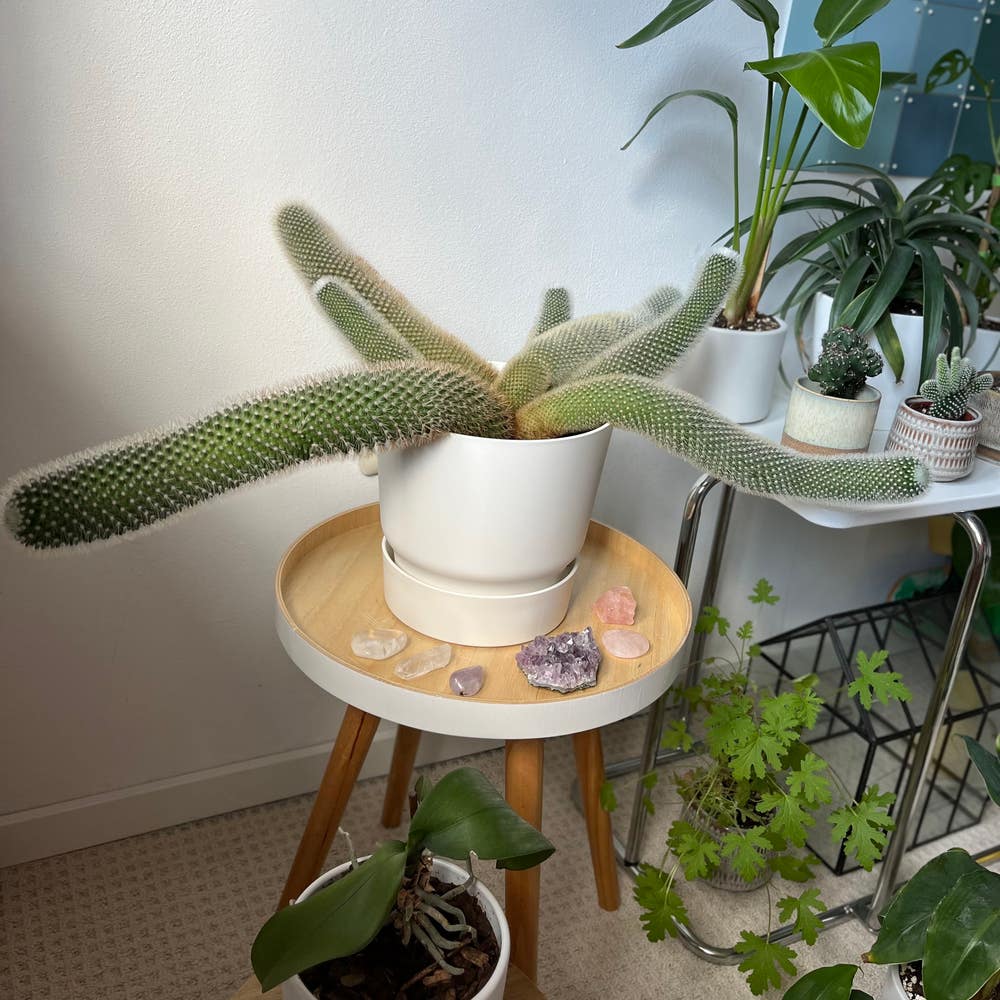
🦔 How to Know When to Repot a Lace Hedgehog Cactus?
Echinocereus reichenbachii
By the Greg Editorial Team
Jun 08, 2024•4 min read
This article was created with the help of AI so we can cover more plants for you. May contain errors. See one? Report it here.
Discover the secret to a happier, healthier cactus 🌵 by spotting the perfect time to repot and avoid common pitfalls.
- Roots peeking out? Time to repot your Lace Hedgehog Cactus.
- 🌵 Choose terracotta pots and well-draining soil for a happy cactus.
- Water wisely post-repot: Wait a week, then water when topsoil dries.
Spotting the Telltale Signs to Repot
🌵 Root Tango: When Roots Peek Out
Roots escaping through the drainage hole? That's your Lace Hedgehog Cactus's version of a white flag. It's cramped in there, and it's begging for a new zip code.
🐢 The Slowpoke Syndrome: Sluggish Growth
If your cactus is growing slower than a dial-up connection, it's not lazy—it's space-starved. Time to upgrade its living quarters.
💧 Thirsty Roots, Dry Surface: Water Drainage Woes
Water zipping through the pot like it's on a slip 'n slide? Poor drainage can mimic thirst. Don't be fooled—your cactus isn't a water guzzler; it needs better soil and a new pot, stat.

The Great Cactus Shuffle: Repotting Your Lace Hedgehog
🛠️ Prepping Your Tools and Workspace
Before diving into the repotting process, suit up. Thick gloves or kitchen tongs will be your best friends to avoid a prickly situation. Ensure you have a sharp, sterilized cutting tool on hand, just in case you need to trim any unruly roots.
Select a pot that's a size up from your cactus's current home. Going too big can lead to watering woes, so keep it modest.
🌱 The Perfect Soil and Pot Duo
The right soil mix is non-negotiable. Aim for a blend that boasts excellent drainage—think one part sand or pumice to one part potting soil. Your cactus craves a well-draining environment to thrive.
When it comes to pots, terracotta is the MVP. Its breathability is unmatched, helping to keep excess moisture at bay. Plastic pots might be tempting, but they just don't let the soil breathe the same way.
💃 The Repotting Dance
Now, the main event. Gently coax your cactus out of its old pot, taking care not to damage its roots. If they're peeking through the drainage holes, untangle them with care—snip only if you must.
In its new terracotta abode, introduce your cactus to a fresh soil mix. Tamp down firmly to avoid any air pockets, giving your spiky friend a stable foundation. Remember, no water for a week—let those roots heal.

Cactus Care Post-Repotting: The Recovery Phase
💧 The First Watering: Timing and Technique
After repotting, your Lace Hedgehog Cactus isn't ready to chug water like it's just crossed a desert. Wait a week before the first watering to let any disturbed roots heal. When it's time, water thoroughly, allowing excess to drain. This isn't a sip; it's a full gulp, followed by a dry spell until the soil is parched again.
🌞 Sunbathing and Chill: Managing Light and Temperature
Post-repot, your cactus is like a beachgoer after a sunburn—eager for sun but sensitive. Start with bright, indirect light, and avoid the midday scorch. Gradually increase exposure to direct sunlight over several days. Keep it cozy, with temperatures that don't swing more wildly than a mood ring.

Dodging Repotting Pitfalls
💧 The Perils of Overwatering Post-Repot
Overwatering is like that overbearing friend who doesn't know when to leave the party. After repotting, your Lace Hedgehog Cactus is vulnerable. It's tempting to shower it with love (and water), but resist. Water once thoroughly, then back off. Wait until the top inch of soil is dry before the next watering. This isn't just advice; it's a lifeline for your spiky buddy.
🍯 Avoiding the Oversized Pot Trap
Choosing a new pot for your cactus is like picking out jeans—size matters. A pot that's too large is an open invitation to root rot. It's a classic case of too much room leading to too much moisture. Stick to a pot that's 1-2 inches wider than the last. It's the sweet spot that says, "I care, but I'm not trying to drown you in affection."
⚠️ Safety First
This content is for general information and may contain errors, omissions, or outdated details. It is not medical, veterinary advice, or an endorsement of therapeutic claims.
Always consult a qualified healthcare professional before using any plant as food, medicine, or supplement.
Never eat any plant (or feed one to pets) without confirming its identity with at least two trusted sources.
If you suspect poisoning, call Poison Control (800) 222-1222, the Pet Poison Helpline (800) 213-6680, or your local emergency service immediately.
Spotted an error? Please report it here.
Ensure your Lace Hedgehog Cactus thrives in its new pot by letting Greg schedule the ideal repotting time 🌵, tailored to your plant's specific needs.