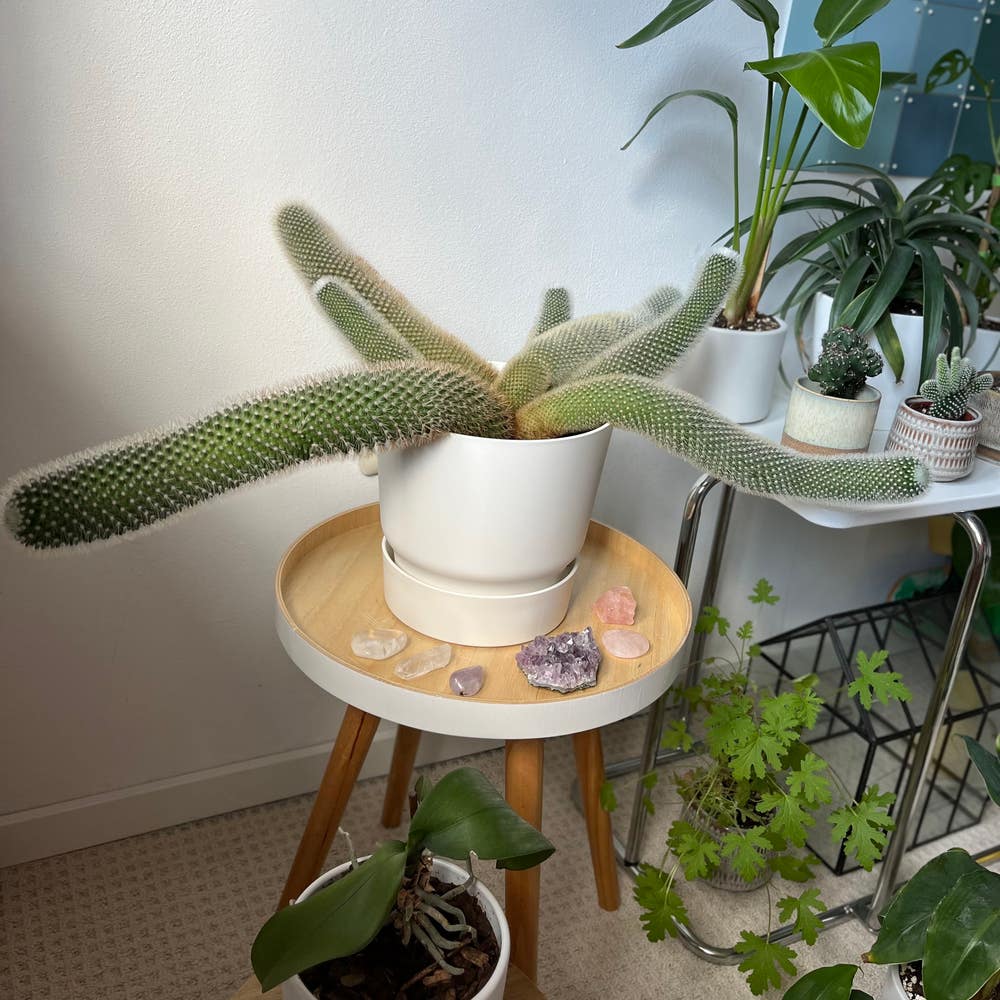
10 Secrets to Successfully Grow Lace Hedgehog Cactus 🌵
Echinocereus reichenbachii
By the Greg Editorial Team
Oct 02, 2024•5 min read
This article was created with the help of AI so we can cover more plants for you. May contain errors. See one? Report it here.
Cultivate a thriving Lace Hedgehog Cactus with expert tips for optimal care and stunning growth! 🌵
- ☀️ Lace Hedgehog Cactus needs 6-8 hours of sunlight daily for optimal growth.
- 🌱 Use well-draining soil to prevent root rot and promote healthy growth.
- 💧 Water every 2-4 weeks and monitor for signs of over or underwatering.
Site Selection and Soil Preparation
🌞 Choosing the Right Location
Selecting the perfect spot for your Lace Hedgehog Cactus is crucial. These cacti thrive in full sun, requiring 6-8 hours of direct sunlight daily.
They prefer warm temperatures, so aim for a location that stays toasty. Avoid shaded areas to ensure optimal growth.
🌱 Soil Requirements
Proper drainage is vital for cactus health. Lace Hedgehog Cactus needs well-draining soil to prevent root rot.
Consider using a cactus mix or sandy loam for the best results. These soil types promote airflow and moisture control.
pH Levels
The ideal pH range for your cactus is between 6.0 and 7.5. This balance helps ensure nutrient availability and overall plant health.
🧪 Preparing Soil Mix for Optimal Growth
Creating a suitable soil mix is straightforward. Combine potting soil, sand, and perlite in a ratio of 1:1:1 for optimal drainage and aeration.
Pre-mixing these components ensures consistency, making it easier to maintain the right conditions for your cactus.
With the right location and soil mix, your Lace Hedgehog Cactus will be set up for success. Next, let’s dive into effective planting techniques to help your cactus thrive.
Planting Techniques
Step-by-Step Planting Instructions 🌱
Selecting the Right Container or Outdoor Site
Choose a container with drainage holes or a sunny outdoor spot. Ensure it receives ample sunlight for optimal growth.Preparing the Planting Hole or Container
For containers, fill with a well-draining cactus mix. If planting outdoors, dig a hole that’s slightly larger than the root ball.Planting Depth
Position the cactus so that its crown sits above the soil level. This prevents rot and encourages healthy growth.Backfilling and Firming the Soil Around the Base
Gently backfill the hole or container with soil. Firm the soil around the base to eliminate air pockets.
Container vs. Outdoor Planting Considerations 🌍
Advantages of Container Gardening
Container gardening offers flexibility. You can easily move your cactus to optimize sunlight and protect it from harsh weather.
Outdoor Planting Benefits
Planting outdoors allows your cactus to bask in natural sunlight. It also benefits from better drainage and air circulation.
Spacing and Depth for Optimal Growth 📏
Recommended Spacing Between Plants
Space your Lace Hedgehog Cactus 12-18 inches apart. This distance promotes air circulation and reduces competition for nutrients.
Depth Considerations for Different Growth Stages
Adjust planting depth based on the cactus's growth stage. Younger plants may need shallower planting, while mature ones require more stability.
With these planting techniques, you’re well on your way to cultivating a thriving Lace Hedgehog Cactus. Next, let’s explore how to effectively water and fertilize your new plant for continued health and growth.
Watering and Fertilizing
💧 Watering Schedule and Techniques
Watering your Lace Hedgehog Cactus is crucial for its health. Generally, aim to water every 2-4 weeks during the growing season.
For effective watering, use deep watering techniques. This encourages robust root growth and ensures your cactus gets the moisture it needs.
🚫 Signs of Overwatering and Underwatering
Recognizing the signs of overwatering is essential. Look for yellowing or mushy stems, which indicate too much moisture.
On the flip side, underwatering shows up as a wrinkled or shriveled appearance. Keeping an eye on these signs can help you maintain the right balance.
🌱 Fertilization Methods and Timing
When it comes to fertilization, choose balanced NPK fertilizers or cactus-specific formulas. These options provide the nutrients your cactus craves.
Timing is everything! Fertilize during the spring and summer for optimal growth. This will set your Lace Hedgehog Cactus up for success as it thrives in warmer months.
With proper watering and fertilizing, your cactus will flourish beautifully. Next, let's dive into pruning and maintenance to keep it in top shape!
Pruning and Maintenance
🌸 When and How to Prune Lace Hedgehog Cactus
The best time to prune your Lace Hedgehog Cactus is right after it blooms. This timing helps maintain optimal health and encourages new growth.
To prune effectively, always use clean, sharp tools. This prevents damage and reduces the risk of introducing diseases.
🔍 Ongoing Care Routine for Healthy Growth
Regular inspections are crucial for spotting pests and diseases early. Keeping an eye on your cactus ensures it stays healthy and vibrant.
Adjust your care routine based on seasonal changes. This flexibility helps your cactus thrive throughout the year.
☀️ Seasonal Care Adjustments
In winter, reduce your watering frequency. Cacti need less moisture during their dormant period.
During summer, increase your monitoring for hydration. The heat can quickly dry out your plant, so stay vigilant.
With these pruning and maintenance tips, your Lace Hedgehog Cactus will flourish beautifully. Next, let’s explore common challenges and solutions to keep your cactus thriving.
Common Challenges and Solutions
🐞 Identifying and Managing Pests
Lace Hedgehog Cactus can attract a few pesky pests.
Mealybugs are one of the most common culprits. They appear as small, white, cottony masses on the cactus. To control them, dab a cotton swab in rubbing alcohol and apply it directly to the bugs.
Spider mites are another threat. Look for fine webbing and tiny yellow spots on the cactus. Increase humidity around the plant and use insecticidal soap to treat infestations.
🦠 Addressing Diseases
Root rot is a serious concern for Lace Hedgehog Cactus.
Symptoms include yellowing and mushy stems, indicating too much moisture. To prevent this, ensure your cactus has excellent drainage and avoid overwatering.
Always check the soil moisture before watering, especially during the growing season.
🌪️ Tips for Overcoming Environmental Stressors
Temperature fluctuations can stress your cactus.
To protect it, consider moving it indoors during extreme cold or heat.
Additionally, adapt your care routine based on weather conditions. For instance, during a heatwave, monitor hydration closely and adjust watering frequency to keep your cactus thriving.
With these strategies, you can tackle common challenges and keep your Lace Hedgehog Cactus healthy and vibrant. Next, let’s dive into the essential pruning and maintenance techniques to ensure its continued growth.
⚠️ Safety First
This content is for general information and may contain errors, omissions, or outdated details. It is not medical, veterinary advice, or an endorsement of therapeutic claims.
Always consult a qualified healthcare professional before using any plant as food, medicine, or supplement.
Never eat any plant (or feed one to pets) without confirming its identity with at least two trusted sources.
If you suspect poisoning, call Poison Control (800) 222-1222, the Pet Poison Helpline (800) 213-6680, or your local emergency service immediately.
Spotted an error? Please report it here.
Grow your Lace Hedgehog Cactus like a pro 🌵 with Greg's tailored care reminders and expert tips to ensure it thrives in your home!