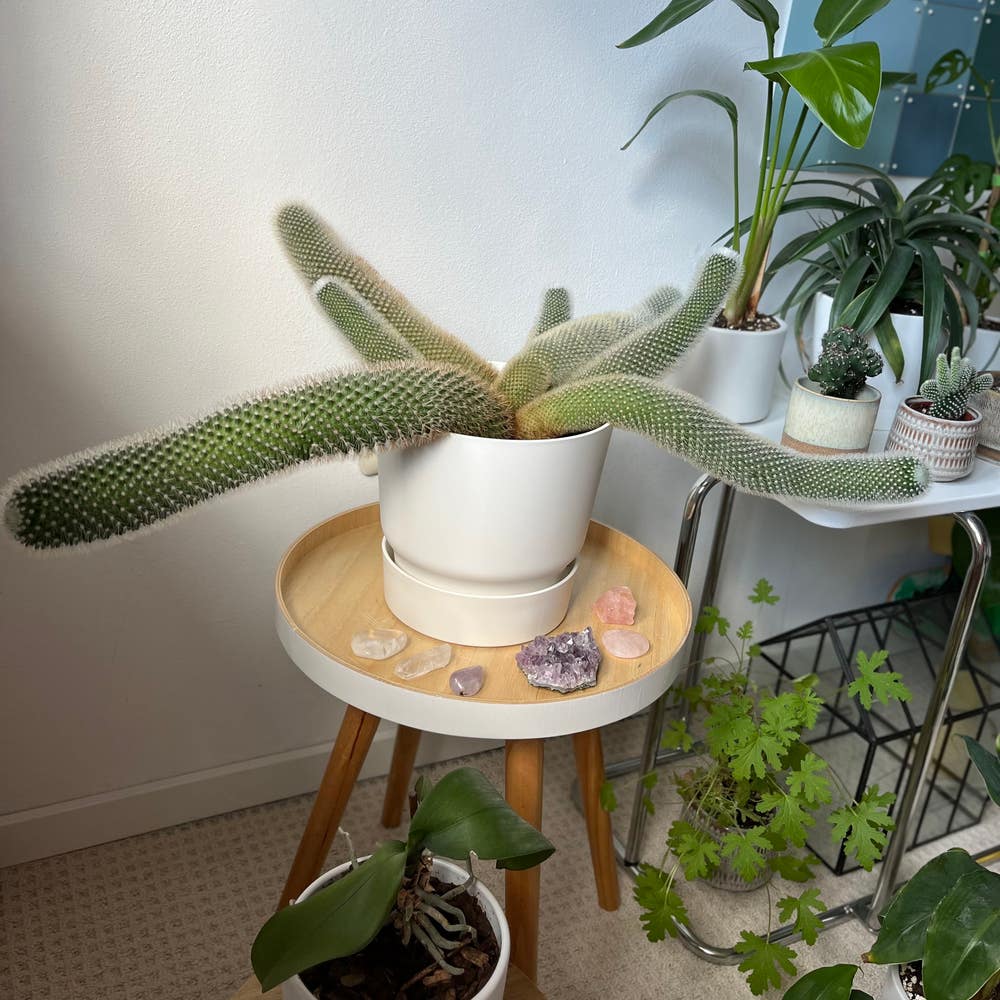
Lace Hedgehog Cactus Buds Falling off 🦔
Echinocereus reichenbachii
By the Greg Editorial Team
Oct 02, 2024•5 min read
This article was created with the help of AI so we can cover more plants for you. May contain errors. See one? Report it here.
Master essential care tips for your Lace Hedgehog Cactus 🌵 and unlock vibrant blooms while avoiding common pitfalls!
- 🌡️ Lace Hedgehog Cacti thrive in 70°F to 90°F; avoid temperature fluctuations.
- 💧 Overwatering causes root rot, leading to flower drop; adjust watering practices.
- 🌞 Six hours of sunlight daily is essential for optimal blooming and health.
Common Causes of Flower Drop
🌪️ Environmental Stress Factors
Environmental stress can significantly impact your Lace Hedgehog Cactus. Temperature fluctuations are a primary concern; the ideal range is between 70°F to 90°F (21°C to 32°C).
Humidity levels also play a crucial role. Cacti prefer low humidity, and excessive moisture can lead to stress and flower drop.
Watering practices are another factor to consider. Overwatering can cause root rot, which often results in flowers falling prematurely.
🥦 Nutritional Deficiencies and Their Impact on Blooming
Nutritional deficiencies can hinder blooming. Key nutrients like phosphorus and potassium are vital for flower development.
Signs of deficiency include yellowing stems, stunted growth, and reduced flowering. To combat this, use a balanced cactus fertilizer during the growing season to ensure your plant gets what it needs.
☀️ Light Requirements for Optimal Flowering
Light is essential for optimal flowering. Lace Hedgehog Cacti thrive in full sun exposure, requiring at least six hours of direct sunlight daily.
If your cactus shows signs of inadequate light, such as stretching stems or pale coloration, it’s time to adjust its placement. Ensuring adequate sunlight can make a world of difference in bloom production.
In summary, understanding these common causes of flower drop can help you provide better care for your Lace Hedgehog Cactus. By addressing environmental stress, nutritional needs, and light requirements, you can encourage vibrant blooms and a healthier plant overall.
Next, let’s explore specific issues affecting flowering, including common causes and solutions for failure to bloom.
Specific Issues Affecting Flowering
🌸 Failure to Bloom: Causes and Solutions
Cacti can be stubborn when it comes to blooming. Common culprits include insufficient light, improper watering, and nutrient deficiencies.
To encourage blooming, ensure your cactus gets plenty of light—ideally, at least six hours of direct sunlight daily. Adjust your watering schedule to avoid both overwatering and underwatering, as both can hinder flower production.
🌧️ Premature Flower Drop: Identifying Triggers
Premature flower drop can be frustrating. Environmental factors like sudden temperature changes and overwatering are often to blame.
Nutritional deficiencies can also lead to weak blooms that drop early. Keep an eye on your cactus's environment and adjust care practices to mitigate these triggers.
🌼 Abnormal Flower Development: What to Look For
Abnormal flower development can signal underlying issues. Look for signs like misshapen flowers, discoloration, and stunted growth.
These symptoms may indicate pest infestations, diseases, or inadequate care. Regularly inspect your cactus for pests and adjust your care routine to promote healthy growth and blooming.
By addressing these specific issues, you can enhance your cactus's flowering potential and enjoy its vibrant blooms. Next, let’s explore seasonal considerations that can further support your cactus's health and blooming cycle.
Seasonal Considerations
🌸 Bloom Cycle Timing and Care
As your Lace Hedgehog Cactus approaches its bloom cycle, adjusting your care practices is crucial. This means fine-tuning your watering and fertilization to support those vibrant flowers.
Start by reducing watering slightly as the bloom time nears. This helps prevent root rot and encourages the plant to focus energy on producing flowers.
🍽️ Seasonal Nutritional Adjustments
Nutritional needs shift as blooming approaches, especially for phosphorus and potassium. These nutrients are vital for robust flower development.
Consider a monthly feeding schedule during the growing season. This ensures your cactus receives the essential nutrients it craves to thrive and bloom beautifully.
By staying attentive to these seasonal adjustments, you can help your Lace Hedgehog Cactus flourish. Next, let’s explore the pests and diseases that can impact flowering.
Pests and Diseases
🐜 Common Pests Affecting Flowering
Pests can wreak havoc on your Lace Hedgehog Cactus, leading to flower drop and overall decline. The most common culprits include scale, mealybugs, and spider mites.
Identifying these pests is crucial. Look for sticky residue, webbing, or discolored flowers as telltale signs of an infestation.
To combat these pests, consider using neem oil or insecticidal soap. Regular inspections can help catch issues early, ensuring your cactus remains healthy and vibrant.
⚠️ Disease Symptoms Related to Flower Drop
Diseases can also contribute to flower drop, with root rot being a primary concern. Symptoms include wilting and yellowing, even when you think you're providing adequate care.
Fungal infections can manifest as spots on flowers and stems, indicating a more serious issue.
Prevention is key: ensure proper drainage and avoid overwatering to keep your cactus thriving.
By staying vigilant against pests and diseases, you can help your Lace Hedgehog Cactus flourish and enjoy its stunning blooms.
Next, let’s explore seasonal considerations that can enhance your cactus care.
Myth-Busting
🌵 Common Misconceptions About Cactus Flowering
One common myth is that cacti don’t need much water. While it’s true that these plants are drought-tolerant, they require specific watering during their blooming period to thrive.
Inadequate watering can lead to poor flower development. Understanding their needs can make all the difference in achieving a vibrant bloom.
✂️ Clarifying Pruning Myths
Another misconception is that pruning is unnecessary for flowering cacti. In reality, proper pruning can significantly enhance flower development and overall plant health.
Regularly trimming dead or damaged parts encourages new growth and can lead to more abundant blooms. Embracing this practice can transform your cactus into a flourishing centerpiece.
As you navigate the care of your cactus, remember that knowledge is power. Understanding these myths can help you provide the best environment for your plants to thrive.
⚠️ Safety First
This content is for general information and may contain errors, omissions, or outdated details. It is not medical, veterinary advice, or an endorsement of therapeutic claims.
Always consult a qualified healthcare professional before using any plant as food, medicine, or supplement.
Never eat any plant (or feed one to pets) without confirming its identity with at least two trusted sources.
If you suspect poisoning, call Poison Control (800) 222-1222, the Pet Poison Helpline (800) 213-6680, or your local emergency service immediately.
Spotted an error? Please report it here.
Keep your Lace Hedgehog Cactus blooming brilliantly 🌵 by using Greg's tailored care reminders to master light, watering, and nutrition for a thriving plant!