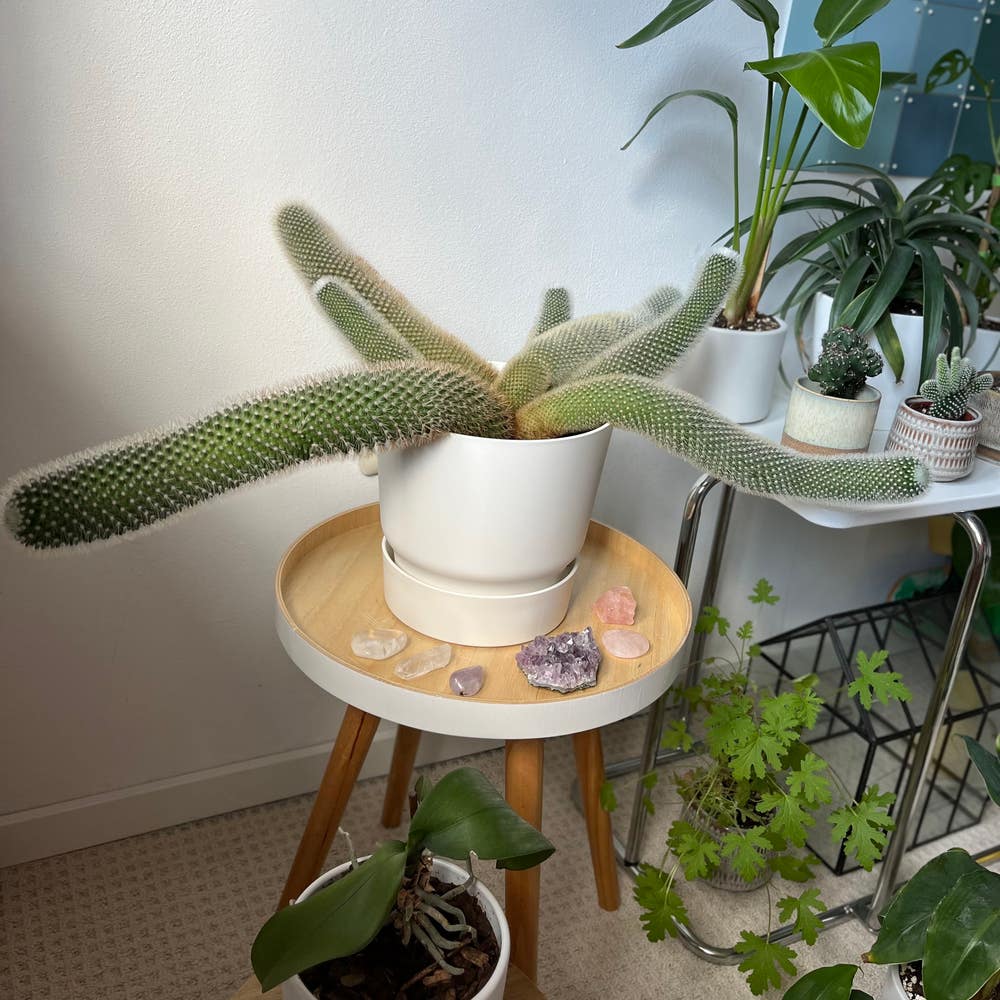
🌵 Top 5 Pot Options to Make Your Lace Hedgehog Cactus Thrive
Echinocereus reichenbachii
By the Greg Editorial Team
Oct 02, 2024•6 min read
This article was created with the help of AI so we can cover more plants for you. May contain errors. See one? Report it here.
Unlock your Lace Hedgehog Cactus's full potential 🌱 by mastering the art of pot size and material selection!
- 🌱 Pot size is crucial: Use 2-4 inches for seedlings, 6-12 inches for mature cacti.
- 💧 Drainage holes prevent root rot: Essential for maintaining moisture balance and cactus health.
- 🏺 Material impacts growth: Clay pots breathe well; plastic retains moisture but may suffocate roots.
Importance of Pot Size for Different Growth Stages
🌱 Recommended Pot Sizes
Seedlings
For seedlings, the ideal container size is between 2 to 4 inches in diameter. Smaller pots help maintain moisture control, which is crucial for young plants that are still establishing their roots.
Mature Plants
As your Lace Hedgehog Cactus matures, it will need a larger container, typically ranging from 6 to 10 inches in diameter. This size allows for adequate root space and supports healthy growth potential.
Flowering Stages
During the flowering stages, opt for pots that are 10 to 12 inches in diameter. This size provides stability and ample room for blooms, ensuring your cactus can thrive during its most vibrant phase.
📏 Container Size Assessment
To assess the right container size, consider both the current size of your plant and its growth stage. A general rule is to choose a pot that allows for at least an inch of space around the roots.
As your cactus matures, transitioning to larger pots is essential. Monitor your plant's growth and be ready to repot when you notice roots beginning to emerge from the drainage holes. This proactive approach will help maintain a healthy environment for your cactus.
With the right pot size, your Lace Hedgehog Cactus will flourish, setting the stage for the next section on pot materials.
Pot Materials
🌱 Clay Pots
Clay pots are a popular choice for many gardeners, especially for desert-themed gardens. They offer excellent breathability and moisture regulation, allowing your Lace Hedgehog Cactus to thrive.
However, they come with some downsides. Clay pots can be heavy and prone to cracking, especially in extreme weather. Additionally, they absorb moisture, which might lead to the soil drying out faster than desired.
🪴 Plastic Pots
Plastic pots are another viable option, particularly for those who prefer lightweight solutions. They are easy to handle and come in a variety of colors and styles, making them visually appealing.
On the flip side, plastic pots are less breathable than clay. This can affect moisture levels, and if drainage isn't adequate, it may lead to root rot.
🏺 Terracotta vs. Ceramic
When comparing terracotta and ceramic pots, each has its unique benefits and drawbacks.
Terracotta
Terracotta pots excel in drainage and breathability, which is crucial for the health of your cactus. However, they can crack under extreme temperatures, so keep that in mind.
Ceramic
Ceramic pots offer decorative options that can enhance your space's aesthetics. Yet, they tend to retain moisture longer, which might not be ideal for your Lace Hedgehog Cactus.
Choosing the right pot material is essential for your cactus's health and growth. Understanding these options will help you create the perfect environment for your plant to flourish.
Next, let’s explore the importance of drainage considerations for your Lace Hedgehog Cactus.
Drainage Considerations
Importance of Drainage Holes 🌊
Drainage holes are essential for preventing water accumulation in your pot. They allow excess water to escape, reducing the risk of root rot and promoting healthy growth for your Lace Hedgehog Cactus.
Effects of Drainage on Plant Health 🌱
Proper drainage directly impacts moisture retention, which is crucial for your cactus's health. If drainage is inadequate, you may notice signs like yellowing leaves, wilting, and stunted growth, indicating that your plant is struggling.
Understanding Moisture Retention 💧
Moisture retention is a double-edged sword. While your cactus needs some moisture, too much can lead to serious health issues.
Signs of Poor Drainage 🚩
Keep an eye out for specific symptoms that signal drainage problems. Yellowing leaves, wilting, and stunted growth are all red flags that your cactus may be sitting in waterlogged soil.
Best Practices for Drainage 🛠️
To ensure optimal drainage, always choose pots with sufficient drainage holes. Additionally, using a well-draining potting mix can further enhance moisture control, keeping your Lace Hedgehog Cactus thriving.
By understanding the importance of drainage, you can create a healthier environment for your cactus. Next, let’s explore the signs that it’s time to repot your plant for continued growth.
Repotting Guidelines
Signs That It's Time to Repot 🌱
Recognizing when to repot your Lace Hedgehog Cactus is crucial for its health. Look for roots emerging from drainage holes; this is a clear sign your cactus is root-bound.
Another indicator is stunted growth. If your cactus isn’t thriving despite optimal care, it may need more space. Additionally, check the soil; if it feels compacted or depleted of nutrients, it’s time for a change.
Step-by-Step Guide to Repotting 🛠️
Repotting doesn’t have to be daunting. Follow these steps for a smooth transition:
- Prepare the new pot with drainage holes and suitable potting soil.
- Gently remove the cactus from its current pot, being careful not to damage the spines.
- Inspect the roots for health; trim any dead or rotting roots.
- Place the cactus in the new pot, ensuring it’s centered and at the right depth.
- Fill in with potting soil, firming it gently around the roots.
- Water lightly to settle the soil, but avoid overwatering.
Choosing the Right Pot When Repotting 🪴
Selecting the right pot is essential for your cactus's growth stage. Consider both size and material; a larger pot may be necessary for a mature cactus, while a smaller one suits seedlings.
Maintaining drainage and moisture balance is vital. Ensure your new pot allows for proper drainage to promote healthy growth and prevent root rot.
With these guidelines, your Lace Hedgehog Cactus will thrive in its new home. Next, let’s explore how pot choice impacts growth and overall health.
Impact of Pot Choice on Growth
How Pot Choice Influences Moisture Retention 🌧️
The material of your pot plays a crucial role in moisture retention. Clay pots, for instance, are porous and allow moisture to evaporate, making them ideal for preventing overwatering.
In contrast, plastic pots retain moisture longer, which can be beneficial in dry climates but may lead to root rot if not monitored. Understanding these differences helps you choose the right pot for your Lace Hedgehog Cactus.
Effects of Pot Size on Root Development 📏
Pot size significantly affects root health. Larger pots can create excess space, leading to overwatering if the soil remains too moist for too long.
Conversely, a pot that’s too small can restrict root growth, stunting your cactus. Aim for a pot that provides enough room for roots to expand while ensuring proper drainage.
Long-Term Health Implications of Pot Selection 🏥
Choosing the wrong pot can have lasting effects on your cactus's health. A pot that retains too much moisture can lead to root rot, while one that dries out too quickly can stress the plant.
Regularly assess your pot choice as your cactus grows. Adjusting pot size and material can help maintain optimal health and vitality for your Lace Hedgehog Cactus.
As you consider these factors, remember that the right pot is essential for nurturing your cactus through its various growth stages.
⚠️ Safety First
This content is for general information and may contain errors, omissions, or outdated details. It is not medical, veterinary advice, or an endorsement of therapeutic claims.
Always consult a qualified healthcare professional before using any plant as food, medicine, or supplement.
Never eat any plant (or feed one to pets) without confirming its identity with at least two trusted sources.
If you suspect poisoning, call Poison Control (800) 222-1222, the Pet Poison Helpline (800) 213-6680, or your local emergency service immediately.
Spotted an error? Please report it here.
Ensure your Lace Hedgehog Cactus thrives 🌵 by using Greg's tailored potting tips and reminders to create the ideal environment for its growth!