Why Are My Lace Hedgehog Cactus Leaves Mushy?
Echinocereus reichenbachii
By the Greg Editorial Team
Jun 08, 2024•4 min read
This article was created with the help of AI so we can cover more plants for you. May contain errors. See one? Report it here.
Prevent mushy cactus calamity 🌵 by cracking the code on leaf distress and its remedies.
- Overwatering leads to mushiness, so water only when soil is dry.
- Root rot and fungi are common culprits; check soil and roots.
- Prune affected areas and ensure good airflow to prevent future issues.
Spotting the Trouble Signs
🚨 Visual Symptoms
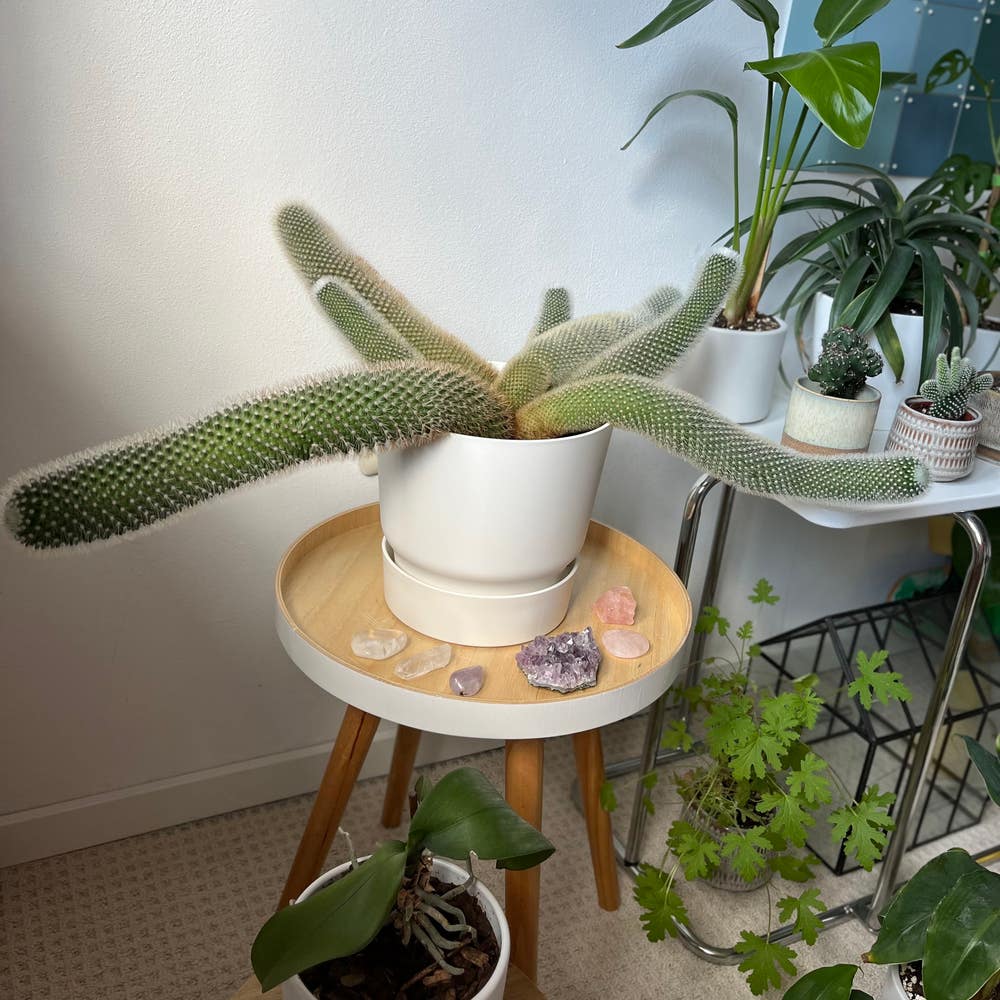
Mushiness and discoloration in your Lace Hedgehog Cactus leaves are the equivalent of a plant's cry for help. Look for leaves that have lost their firmness, resembling overripe fruit, and keep an eye out for color changes. Leaves turning a faded green, yellow, or brown are waving red flags at you.
🌱 Soil and Root Check-Up
To assess soil moisture, think of the soil as a mood ring for your cactus. If it's wetter than a sponge in a rainstorm, you've got a problem. Roots should be the plant equivalent of a firm handshake—not limp or dark like they've been stewing in trouble. A sniff test can also be telling; a musty odor is a telltale sign of root rot.

Rooting Out the Causes
💦 Overwatering Overload
Cacti are desert specialists, not aquatic plants. Overwatering is like throwing a pool party for a creature that can't swim. Mushiness in your Lace Hedgehog Cactus is a telltale sign that you've been too generous with the watering can. It's vital to remember that these plants store water in their tissues, so when they start to feel like a soggy sponge, it's a clear distress signal.
🚱 The Root Rot Menace
Root rot is the cactus equivalent of a sinking ship. Stagnant water around the roots creates an environment where harmful fungi and bacteria thrive, leading to decay. If the roots of your cactus are turning from a healthy white to a dismal brown or black, it's time to sound the alarm. This isn't just a bad hair day; it's a botanical emergency.
🍄 Fungal Foes
Fungi are the uninvited guests at the cactus party, and they love wet conditions. If your cactus is showing signs of being overwatered, you're setting out a welcome mat for these microscopic party crashers. They can cause your cactus to go from firm and plump to mushy and discolored, a clear indicator that your plant is under siege from these fungal foes.

First Aid for Your Cactus
💧 Cutting Back on Water
Less is more when it comes to watering your Lace Hedgehog Cactus. If you've been heavy-handed with the H2O, it's time to dial it back. Only water when the soil feels like a dry sense of humor—crisp and parched.
🌱 Soil CPR
Reviving your cactus starts with soil that drains like it's got somewhere to be. Kick that clingy, water-logged soil to the curb and mix in some perlite or coarse sand. It's like giving your cactus's roots a breath of fresh air.
✂️ Surgical Snips
Time to play plant surgeon. With thick gloves and a dose of courage, prune the mushy parts like you're editing a bloated paragraph. Leave the healthy tissue and let the cuts callus. Remember, every snip is a step towards salvation for your spiky friend.

Keeping Mushiness at Bay
💧 Water Wisdom
Watering your Lace Hedgehog Cactus properly is crucial. It's about finding the sweet spot; too much and you're drowning it, too little and you're parching it. Check the top inch of soil before watering—if it's dry, it's time to hydrate. Adjust this routine with the seasons; your cactus's needs will fluctuate throughout the year.
🌵 The Right Soil Mix
Choosing the right soil mix is non-negotiable. Your cactus yearns for a mix that's as loose and grainy as a desert dune. Combine a cactus-specific mix with perlite or coarse sand to improve drainage. This ensures your cactus won't sit in moisture any longer than it has to.
💨 Breezy Solutions
Good airflow is the unsung hero in the fight against mushiness. Ensure your cactus is placed where air can circulate freely, mimicking its natural, breezy habitat. This helps keep the dreaded fungal foes at bay and your cactus standing firm.
⚠️ Safety First
This content is for general information and may contain errors, omissions, or outdated details. It is not medical, veterinary advice, or an endorsement of therapeutic claims.
Always consult a qualified healthcare professional before using any plant as food, medicine, or supplement.
Never eat any plant (or feed one to pets) without confirming its identity with at least two trusted sources.
If you suspect poisoning, call Poison Control (800) 222-1222, the Pet Poison Helpline (800) 213-6680, or your local emergency service immediately.
Spotted an error? Please report it here.
Revive your Lace Hedgehog Cactus from mushy to magnificent 🌵 with Greg's tailored watering reminders that ensure just the right amount of moisture.