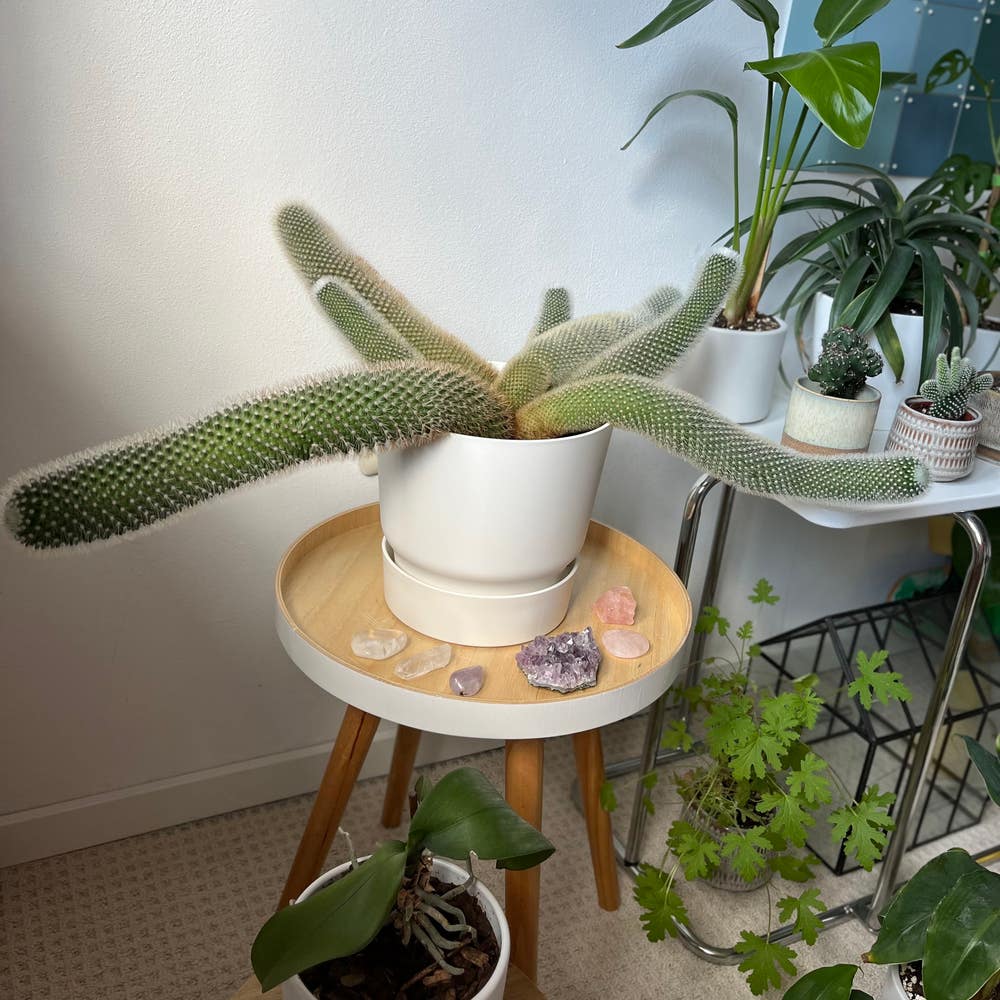
🌵 4 Steps to a Healthy Indoor Lace Hedgehog Cactus
Echinocereus reichenbachii
By the Greg Editorial Team
Oct 02, 2024•5 min read
This article was created with the help of AI so we can cover more plants for you. May contain errors. See one? Report it here.
Elevate your indoor garden 🌵 by mastering the care of your Lace Hedgehog Cactus for vibrant growth and beauty!
- 🌞 Lace Hedgehog Cactus needs 6-8 hours of bright light for optimal growth.
- 💧 Water every 2-4 weeks; adjust based on seasonal changes to prevent issues.
- 🌡️ Maintain 20-30% humidity and ideal temperatures for a thriving cactus indoors.
Light Requirements
Ideal Indoor Light Levels 🌞
For your Lace Hedgehog Cactus, optimal light exposure ranges from full sun to partial shade. Aim for 6-8 hours of bright light daily to keep your cactus thriving.
If your cactus isn't getting enough light, you might notice etiolated growth or pale coloration. These signs indicate it's time to reassess its lighting situation.
Role of Grow Lights in Cactus Care 💡
Supplemental lighting can be a game-changer for indoor cactus growth. When natural light falls short, grow lights can provide the necessary boost.
There are several types of grow lights suitable for cacti, including LED, fluorescent, and incandescent options. Each has its benefits, so choose one that fits your setup.
How to Choose the Best Grow Light 🛠️
When selecting a grow light, consider the recommended wattage and spectrum for optimal growth. Generally, a light with a full spectrum is ideal for promoting healthy development.
Placement is crucial. Keep the grow light about 12-24 inches from the plant and adjust the duration of use based on your cactus's needs. Aiming for 12-14 hours of light per day can help mimic natural conditions.
With the right light, your Lace Hedgehog Cactus will flourish, setting the stage for its watering and humidity needs.
Watering Needs
Frequency of watering 🌊
Watering your Lace Hedgehog Cactus is straightforward. Generally, you should water every 2-4 weeks, adjusting based on the season and indoor conditions.
Keep an eye on light exposure and temperature, as these factors can influence how often you need to water. During hotter months, your cactus may require more frequent watering, while cooler months may necessitate less.
Signs of overwatering and underwatering 🚨
Recognizing the signs of overwatering is crucial for your cactus's health. Look for yellowing stems, a mushy texture, or even root rot, which can indicate you've given it too much water.
On the flip side, underwatering shows up as wrinkled skin, stunted growth, and browning spines. Being attentive to these signs will help you maintain a thriving indoor cactus.
With proper watering practices, your Lace Hedgehog Cactus will flourish. Next, let’s explore the ideal humidity and temperature control for optimal growth.
Humidity and Temperature Control
🌵 Ideal Humidity Levels for Indoor Cacti
For your Lace Hedgehog Cactus to thrive, aim for a humidity range of 20-30%. This level promotes optimal growth and prevents stress on the plant.
To maintain this humidity, consider using dehumidifiers or pebble trays. Pebble trays not only add moisture but also enhance the aesthetic of your indoor garden.
🌡️ Temperature Requirements for Optimal Growth
The ideal temperature for your cactus during the day is between 70°F to 85°F (21°C to 29°C). This warmth encourages healthy growth and vibrant colors.
At night, allow the temperature to drop slightly to 60°F to 70°F (15°C to 21°C). This fluctuation mimics natural conditions and supports the plant's overall health.
Maintaining the right humidity and temperature is crucial for your cactus's vitality. With these conditions in check, your plant will flourish, setting the stage for the next step in its care: soil and fertilization.
Soil and Fertilization
🌵 Best soil types for Lace Hedgehog Cactus
For your Lace Hedgehog Cactus, a well-draining cactus mix is essential. You can also create a custom blend using potting soil, sand, and perlite to ensure optimal drainage.
Proper drainage is crucial to prevent root rot. Cacti thrive in dry conditions, so a soil mix that allows excess water to escape is a must.
📅 Fertilization schedule and types of fertilizers
During the growing season, fertilize your cactus every 4-6 weeks. This schedule helps provide the nutrients your plant needs to flourish.
Opt for a balanced, diluted cactus fertilizer or consider organic options. These choices will support healthy growth without overwhelming your plant.
By ensuring the right soil and fertilization practices, your Lace Hedgehog Cactus will thrive beautifully. Next, let’s explore how to maintain ideal humidity and temperature for your cactus.
Common Issues and Solutions
🐜 Pest Prevention Strategies
Indoor cacti can attract pests like mealybugs, spider mites, and scale. Regular inspections are crucial; check your plant weekly for any signs of infestation.
Maintaining cleanliness around your cactus can deter pests. If you spot any, using insecticidal soap can effectively eliminate them without harming your plant.
🪴 Common Indoor Cactus Problems and How to Solve Them
Overwatering is a common issue that can lead to root rot. If you notice yellowing stems or a mushy texture, it’s time to reassess your watering schedule.
Poor light conditions can stunt growth and affect overall health. If your cactus appears etiolated or pale, consider adjusting its placement or adding grow lights for better exposure.
✂️ Tips for Maintaining the Plant's Appearance and Health
Pruning is essential for keeping your cactus healthy. Regularly remove dead or damaged spines to promote new growth and maintain its appearance.
Cleaning your cactus is equally important. Gently wipe down the surface to remove dust and debris, allowing it to absorb light more effectively.
By addressing these common issues, you can ensure your Lace Hedgehog Cactus thrives indoors. Next, let’s explore the best practices for cactus placement to maximize its health and aesthetic appeal.
Cactus Placement Tips
🌞 Ideal locations within the home
For your Lace Hedgehog Cactus, the best spots are south or west-facing windows. These locations provide maximum sunlight, ensuring your cactus thrives.
Avoid placing your cactus near drafts or areas with extreme temperature fluctuations. Consistent conditions help maintain its health and vigor.
🎨 Considerations for aesthetic placement
Grouping your cactus with other plants can create a visually appealing indoor garden. This not only enhances the aesthetic but also allows for a diverse plant environment.
Using decorative pots can elevate the overall look of your cactus display. Just ensure these pots have proper drainage to prevent any water-related issues.
By thoughtfully considering placement, you can create a beautiful and healthy environment for your Lace Hedgehog Cactus. Next, let’s explore the essential soil and fertilization needs for optimal growth.
⚠️ Safety First
This content is for general information and may contain errors, omissions, or outdated details. It is not medical, veterinary advice, or an endorsement of therapeutic claims.
Always consult a qualified healthcare professional before using any plant as food, medicine, or supplement.
Never eat any plant (or feed one to pets) without confirming its identity with at least two trusted sources.
If you suspect poisoning, call Poison Control (800) 222-1222, the Pet Poison Helpline (800) 213-6680, or your local emergency service immediately.
Spotted an error? Please report it here.
Keep your Lace Hedgehog Cactus thriving indoors 🌵 by using Greg's tailored care reminders and light suggestions to ensure it gets the perfect environment it needs!