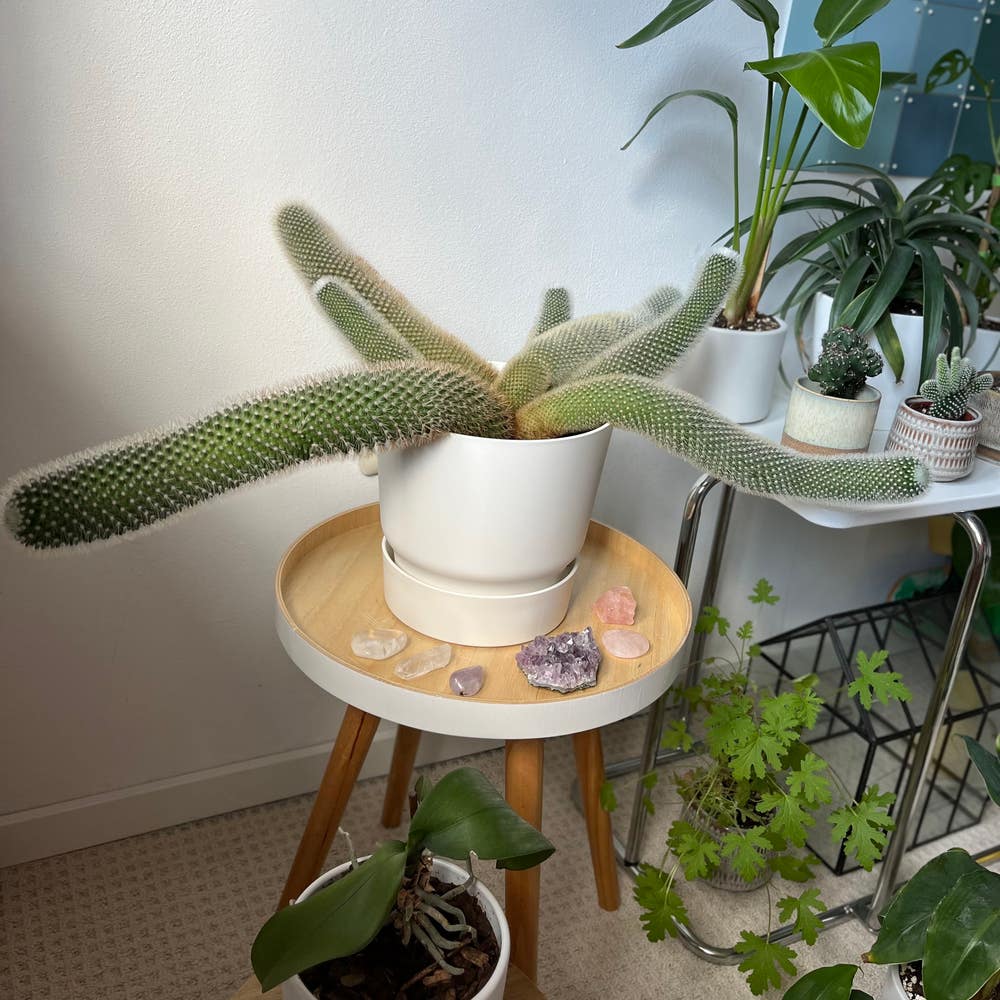
🌵 8 Outdoor Care Hacks for Lace Hedgehog Cactus
Echinocereus reichenbachii
By the Greg Editorial Team
Oct 02, 2024•6 min read
This article was created with the help of AI so we can cover more plants for you. May contain errors. See one? Report it here.
Unlock the secrets to thriving Lace Hedgehog Cactus care 🌵 and watch your garden flourish beautifully!
- 🌞 Lace Hedgehog Cactus needs 6-8 hours of sunlight for optimal growth and flowering.
- 💧 Water every 2-4 weeks; adjust frequency based on season and signs of distress.
- ❄️ Protect from frost and heavy rain to prevent root rot and ensure healthy growth.
Sunlight and Watering Needs
🌞 Ideal Sunlight Exposure
Lace Hedgehog Cactus thrives in full sun, requiring 6 to 8 hours of direct sunlight daily. Insufficient sunlight can lead to stunted growth and fewer flowers, so ensure your cactus gets its daily dose of sunshine.
During extreme heat, consider providing partial shade during peak sun hours. This simple adjustment can protect your cactus from sunburn and keep it healthy.
💧 Watering Frequency and Techniques
Watering your cactus is crucial for its health. During the growing season, aim to water every 2 to 4 weeks, reducing frequency in winter when the plant goes dormant.
Deep watering is essential to encourage robust root growth. This technique allows water to penetrate deeply, promoting a strong foundation for your cactus.
Signs of Overwatering and Underwatering
Be vigilant about your cactus's health. Overwatering can manifest as yellowing or mushy stems, while underwatering typically results in a wrinkled, shriveled appearance.
Recognizing these signs early can help you adjust your care routine and keep your Lace Hedgehog Cactus thriving. With the right sunlight and watering practices, your cactus will flourish beautifully.
Next, let’s explore the best soil and fertilization preferences for optimal growth.
Soil and Fertilization Preferences
Best Soil Types 🌵
For your Lace Hedgehog Cactus, the right soil is crucial. Aim for well-draining sandy or rocky soil to prevent root rot.
The ideal pH range is between 6.0 and 7.0. This balance promotes optimal growth and health.
Consider using a commercial cactus mix or create your own blend with perlite and sand. This combination ensures excellent drainage and aeration.
Fertilization Schedule and Types 🌱
Fertilizing your cactus is essential for vibrant blooms and overall vitality. Schedule fertilization once in early spring and again in mid-summer.
Opt for a balanced, water-soluble cactus fertilizer, such as a 10-10-10 mix. This will provide the nutrients your cactus craves.
Regular fertilization enhances blooming and supports healthy growth. It’s a simple step that makes a big difference.
With the right soil and fertilization, your Lace Hedgehog Cactus will thrive. Next, let’s explore the best planting options: container versus ground.
Planting Options: Container vs. Ground
🌱 Benefits of Container Planting
Container planting offers remarkable mobility. You can easily move your Lace Hedgehog Cactus to ensure it gets optimal sunlight or protection from harsh weather.
Another advantage is control over soil quality and drainage. With containers, you can customize the soil mix to suit your cactus's needs, ensuring it thrives.
Additionally, container planting provides aesthetic flexibility. You can arrange your cacti in various locations, enhancing your garden's visual appeal.
⚠️ Drawbacks of Container Planting
However, there are some drawbacks to consider. Limited root space means your cactus may require frequent repotting as it grows.
Containers also lead to increased watering frequency. They dry out faster than ground soil, requiring you to keep a closer eye on moisture levels.
Lastly, container plants are more vulnerable to temperature fluctuations. Extreme heat or cold can affect their health, making protection essential.
🌍 Benefits of Planting in the Ground
Planting in the ground offers a natural growth environment. Your cactus has more space for root expansion, which can lead to healthier plants.
Ground planting also means less frequent watering needs. The soil retains moisture better, allowing your cactus to thrive with less intervention.
Moreover, ground-planted cacti exhibit better resilience against temperature extremes. They can adapt more easily to changing weather conditions.
🚧 Drawbacks of Planting in the Ground
On the flip side, planting in the ground provides less control over soil quality and drainage. You might encounter issues that could affect your cactus's health.
There's also the potential for exposure to outdoor pests and diseases. Ground plants are more susceptible to infestations, requiring vigilant monitoring.
Lastly, in colder climates, there's a risk of frost damage. Protecting your cactus from freezing temperatures can be a challenge.
In summary, both container and ground planting have their unique advantages and challenges. Your choice will depend on your gardening style and the specific needs of your Lace Hedgehog Cactus. Next, let’s explore how to protect your cactus from weather extremes and pests.
Protection from Weather and Pests
🌪️ Strategies for Extreme Weather Protection
Cacti, including the Lace Hedgehog, need protection from extreme weather to thrive. For frost protection, cover your plants with cloth or move pots indoors during cold snaps.
Heavy rain can also pose a threat. Consider using raised beds or drainage systems to prevent waterlogging, which can lead to root rot. Always keep an eye on weather forecasts to stay ahead of potential issues.
🐞 Common Outdoor Pests and Prevention Methods
Outdoor pests can wreak havoc on your cacti. Common culprits include aphids, mealybugs, and spider mites, which can damage your plants if left unchecked.
To keep these pests at bay, perform regular inspections and act quickly at the first sign of trouble. Natural deterrents like neem oil and insecticidal soap can be effective and are safer for your garden ecosystem.
🦠 Diseases and Treatment Options
Cacti are susceptible to diseases such as root rot and fungal infections. Root rot often results from overwatering, so improving drainage and reducing watering frequency is crucial.
For fungal infections, applying fungicides and removing affected areas can help restore your plant's health. Staying vigilant about these issues will ensure your Lace Hedgehog Cactus remains vibrant and resilient.
With proper protection from weather extremes and pests, your cacti can flourish beautifully. Next, let’s explore how seasonal changes impact their care and what you can do to adapt your gardening practices accordingly.
Seasonal Care and Climate Zone Considerations
Seasonal Changes and Their Impact on Care 🌱
Caring for your Lace Hedgehog Cactus requires adapting your routine with the seasons.
Spring is the time to ramp up watering and fertilization, as your cactus emerges from dormancy and begins to grow actively.
In summer, keep a close eye on pests and monitor for heat stress. This is crucial as high temperatures can affect your cactus's health.
As fall approaches, start preparing your cactus for dormancy by reducing watering. This helps the plant conserve energy for the colder months ahead.
During winter, protecting your cactus from frost and extreme cold is vital. Consider moving container plants indoors or using protective coverings for those planted in the ground.
Special Considerations for Different Climate Zones 🌍
Understanding your climate zone is essential for optimal care of your Lace Hedgehog Cactus.
These cacti thrive best in USDA hardiness zones 9-11, where temperatures are milder.
If you live in colder zones, container gardening is a smart choice. It allows you to move your cactus indoors during harsh weather, ensuring its safety and health.
Tips for Winter Care and Protection ❄️
Winter care is all about insulation and protection.
For container plants, placing them indoors can shield them from freezing temperatures.
If your cactus is planted in the ground, consider mulching around the base. This helps retain warmth and moisture, providing a cozy environment.
Lastly, keep an eye on temperature and humidity levels during winter months. This vigilance will help you maintain a healthy cactus throughout the colder season.
With these seasonal care tips and climate considerations, your Lace Hedgehog Cactus will thrive year-round. Next, let’s explore effective strategies for protecting your cactus from weather extremes and pests.
⚠️ Safety First
This content is for general information and may contain errors, omissions, or outdated details. It is not medical, veterinary advice, or an endorsement of therapeutic claims.
Always consult a qualified healthcare professional before using any plant as food, medicine, or supplement.
Never eat any plant (or feed one to pets) without confirming its identity with at least two trusted sources.
If you suspect poisoning, call Poison Control (800) 222-1222, the Pet Poison Helpline (800) 213-6680, or your local emergency service immediately.
Spotted an error? Please report it here.
Keep your Lace Hedgehog Cactus thriving outdoors 🌞 with Greg's tailored watering reminders and expert care tips that make cactus care a breeze!