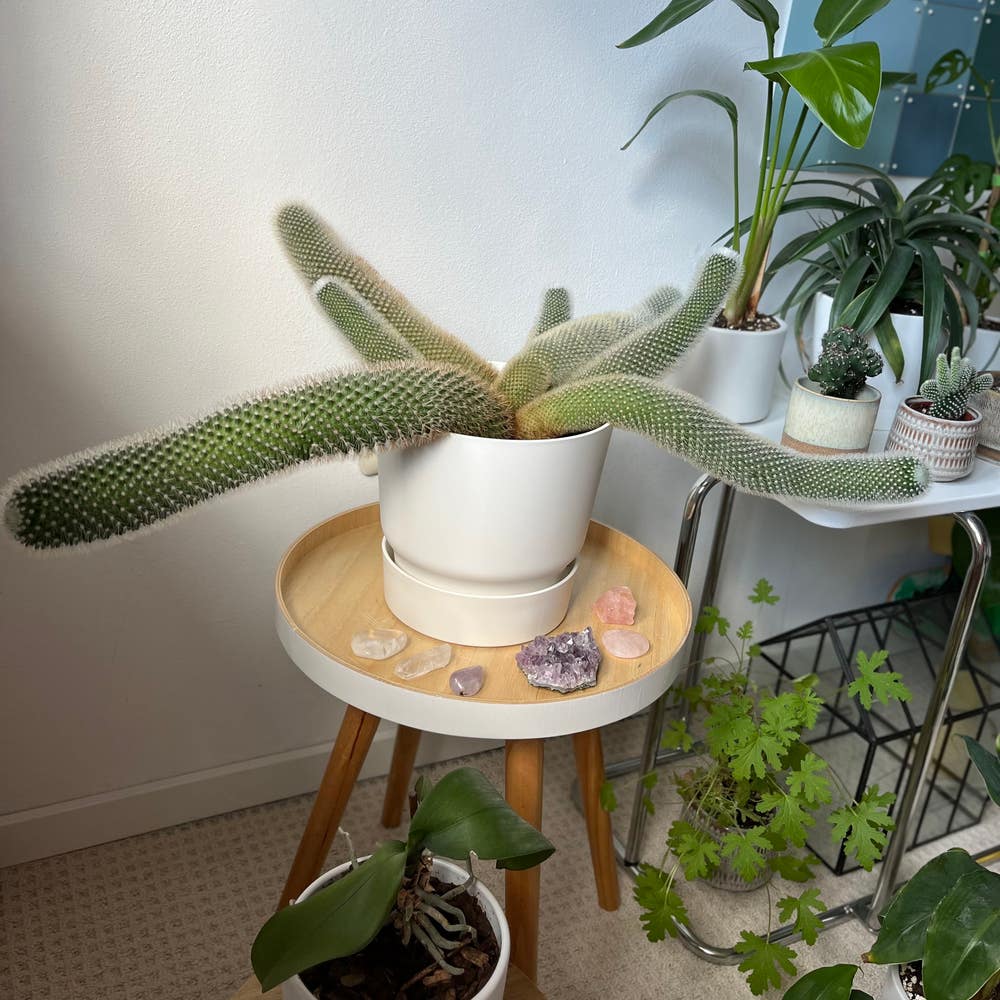
Best Climate for Lace Hedgehog Cactus: Zones 7a-10b 🌵
Echinocereus reichenbachii
By the Greg Editorial Team
Oct 02, 2024•5 min read
This article was created with the help of AI so we can cover more plants for you. May contain errors. See one? Report it here.
Unlock thriving Lace Hedgehog Cactus growth 🌵 by mastering its temperature needs and ideal climates!
- 🌵 Lace Hedgehog Cactus thrives in USDA zones 7a-10b, ideal for warm climates.
- ❄️ Protect from frost; it tolerates 0°F but needs care during cold snaps.
- ☀️ Full sun and well-drained soil are essential for optimal growth and health.
Temperature Tolerance
❄️ Cold Tolerance Specifics
The Lace Hedgehog Cactus can withstand minimum temperatures down to 0°F (-18°C), making it suitable for USDA zone 7a. However, it is sensitive to frost, requiring protection during the first and last frost periods to thrive.
☀️ Heat Tolerance Specifics
On the flip side, this cactus thrives in heat, tolerating maximum temperatures up to 100°F (38°C). Its adaptations, such as water conservation techniques, help it withstand drought conditions effectively.
🌡️ Ideal Temperature Ranges for Growth
For optimal growth, the Lace Hedgehog Cactus flourishes in temperatures ranging from 70°F to 90°F (21°C to 32°C). Temperature fluctuations can impact its growth, so maintaining a stable environment is crucial for its health.
Understanding these temperature tolerances is essential for successful cultivation. Next, let’s explore the ideal regions where this resilient cactus can truly thrive.
Ideal Regions for Growth
🌵 Examples of US States in Zones 7a-10b
The Lace Hedgehog Cactus thrives in several states within USDA zones 7a to 10b. Notable states include California, Texas, Arizona, and New Mexico, where the climate aligns perfectly with its needs.
In California, regions like the Mojave Desert offer the ideal conditions for growth. Texas has areas such as Big Bend that provide similar benefits, while Arizona's Sonoran Desert is a hotspot for this resilient cactus. New Mexico, particularly around the Chihuahuan Desert, also supports its flourishing.
🌞 Factors Contributing to Ideal Growing Conditions
For optimal growth, Lace Hedgehog Cactus requires well-drained soils and low humidity levels. These factors prevent root rot and ensure the plant can thrive in its natural habitat.
Sunlight exposure is crucial as well. This cactus demands full sun to reach its full potential, making sunny locations essential for healthy growth.
🌤️ Climate Characteristics of Suitable Regions
The ideal regions for Lace Hedgehog Cactus typically feature arid and semi-arid climates. These climates provide the dry conditions that this cactus loves, allowing it to conserve water effectively.
Seasonal temperature variations also play a role in its growth. While it can tolerate extreme heat, moderate fluctuations help stimulate healthy development and flowering, ensuring a vibrant display throughout the growing season.
As we explore the next section, we'll delve into how microclimates can further enhance the growing potential of the Lace Hedgehog Cactus.
Microclimates and Their Impact
🌦️ Definition of Microclimates
Microclimates are localized climate variations that can significantly differ from the surrounding area. Factors such as elevation, proximity to water, and urban development can create these unique environments.
🌱 How Microclimates Can Extend Growing Range
Microclimates can be a gardener's best friend, extending the growing season for plants like the Lace Hedgehog Cactus. They provide protection from frost, allowing these cacti to thrive even in less-than-ideal conditions.
🌵 Examples of Microclimate Effects on Lace Hedgehog Cactus
There are numerous case studies showcasing successful Lace Hedgehog Cactus growth in non-traditional zones. For instance, gardeners have utilized south-facing walls to trap heat, creating a microclimate that supports these cacti.
Specific adaptations, such as adjusting watering schedules and using mulch for insulation, can enhance growth in these localized climates. Understanding and leveraging microclimates can make all the difference in cultivating healthy Lace Hedgehog Cacti.
As we explore the state-level suitability analysis, keep in mind how microclimates can influence your gardening success.
State-Level Suitability Analysis
🌵 List of Suitable States for Lace Hedgehog Cactus
Lace Hedgehog Cactus thrives in USDA zones 7a-10b, making several states ideal for its growth. Here’s a quick rundown of the most suitable states:
California: Known for its warm, dry climate, especially in Southern California, which offers plenty of sunlight and well-drained soils.
Texas: The western regions provide arid conditions perfect for Lace Hedgehog Cactus, with ample sunshine and minimal humidity.
Arizona: A desert climate with hot summers and mild winters, making it a prime location for this resilient cactus.
New Mexico: Similar to Arizona, it features a dry climate with significant sunlight, ideal for optimal growth.
These states not only provide the right temperature ranges but also the necessary environmental conditions for healthy cactus development.
❌ List of Unsuitable States and Reasons Why
On the flip side, certain states fall outside the suitable range for Lace Hedgehog Cactus. Here are a few:
Minnesota: Harsh winters with extreme cold and excessive frost make it unsuitable for this cactus.
Maine: High humidity and prolonged frost periods hinder growth, making it a challenging environment.
Washington: While some areas are warmer, the overall climate is too wet and cool for Lace Hedgehog Cactus to thrive.
These states face climate challenges such as excessive frost and humidity, which can severely impact the cactus's survival.
📅 Discussion of Frost Dates in Relation to Growing Conditions
Understanding frost dates is crucial for successful Lace Hedgehog Cactus cultivation. Knowing the first and last frost dates helps gardeners plan when to plant and protect their cacti.
First Frost Date: This marks the end of the growing season. In suitable states, this typically occurs between late October and early November.
Last Frost Date: This signals the start of the growing season, usually around mid-April to early May in warmer regions.
Frost dates can vary significantly by state, impacting when you can safely plant your Lace Hedgehog Cactus. Being aware of these dates ensures that your cactus has the best chance to flourish in its environment.
With this knowledge, you can confidently navigate the growing conditions for Lace Hedgehog Cactus, setting the stage for successful cultivation. Next, let’s explore how microclimates can further influence the growth of this unique cactus.
⚠️ Safety First
This content is for general information and may contain errors, omissions, or outdated details. It is not medical, veterinary advice, or an endorsement of therapeutic claims.
Always consult a qualified healthcare professional before using any plant as food, medicine, or supplement.
Never eat any plant (or feed one to pets) without confirming its identity with at least two trusted sources.
If you suspect poisoning, call Poison Control (800) 222-1222, the Pet Poison Helpline (800) 213-6680, or your local emergency service immediately.
Spotted an error? Please report it here.
Cultivating a thriving Lace Hedgehog Cactus 🌵 is easy when you understand its climate needs, and with Greg's tailored care tips, you can create the perfect environment for your cactus to flourish!